THE ADVENTURE COLLECTIVE® · Independent discovery and booking for outdoor travel

Cruise Roebuck Bay aboard a small eco-catamaran to search for Australia’s rare snubfin dolphins, dugongs, turtles and migratory shorebirds. This 4+ hour experience combines close wildlife viewing with local natural history and an emphasis on responsible observation.
Cruise Roebuck Bay aboard a small eco-catamaran to search for Australia’s rare snubfin dolphins, dugongs, turtles and migratory shorebirds. This 4+ hour experience combines close wildlife viewing with local natural history and an emphasis on responsible observation.
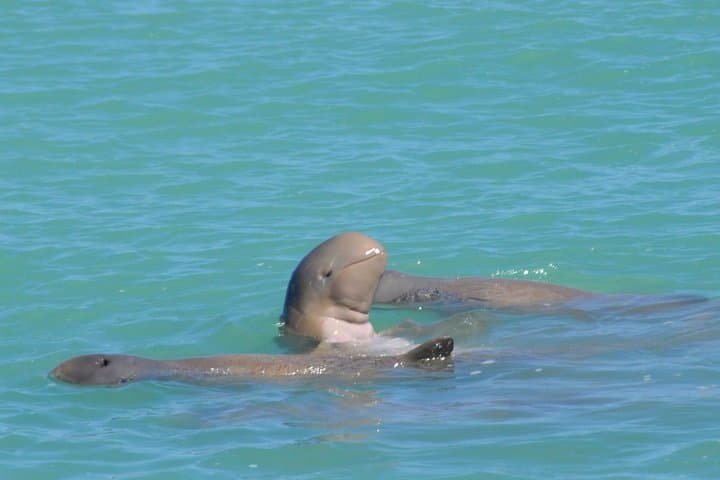
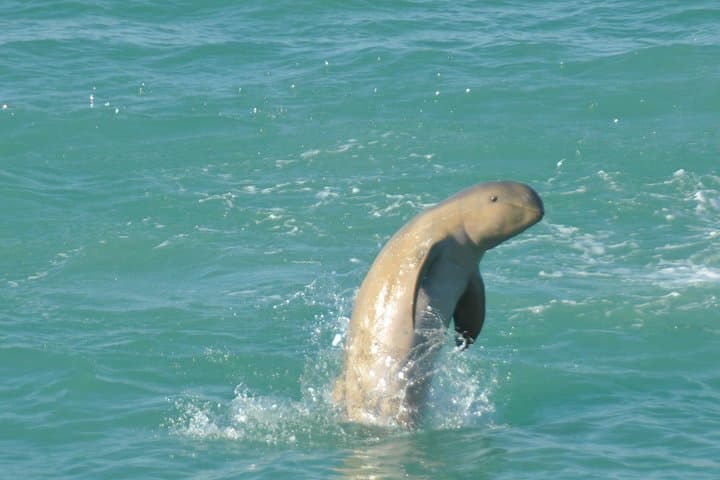
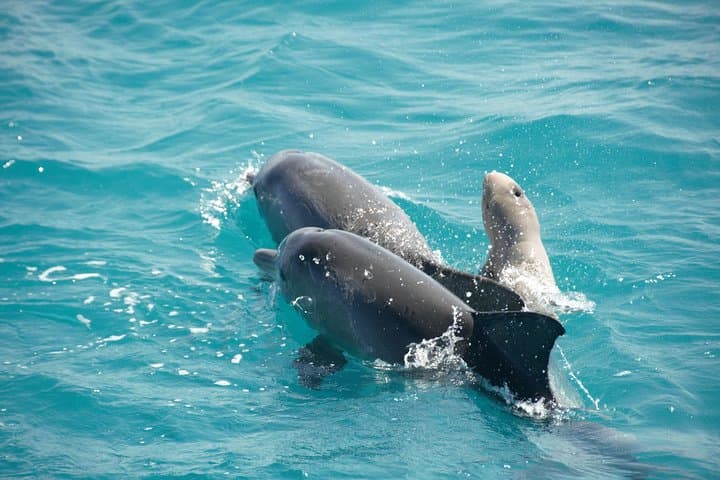
You step onto the low-slung catamaran and the air smells of salt and warm varnish; Roebuck Bay stretches flat and luminous, the mudflats glinting like a brass mirror. The crew eases the throttle and the water parts, revealing a choreography of shorebirds and bubbling currents that seem to dare you to keep up. The real prize—Australia’s rare snubfin dolphin—moves in small, curious groups, noses surfacing like punctuation marks along the bow.
Verified experiences and guided adventures in the surrounding area.
Operated by Broome Whale Watching · Broome, Western Australia
You step onto the low-slung catamaran and the air smells of salt and warm varnish; Roebuck Bay stretches flat and luminous, the mudflats glinting like a brass mirror. The crew eases the throttle and the water parts, revealing a choreography of shorebirds and bubbling currents that seem to dare you to keep up. The real prize—Australia’s rare snubfin dolphin—moves in small, curious groups, noses surfacing like punctuation marks along the bow.
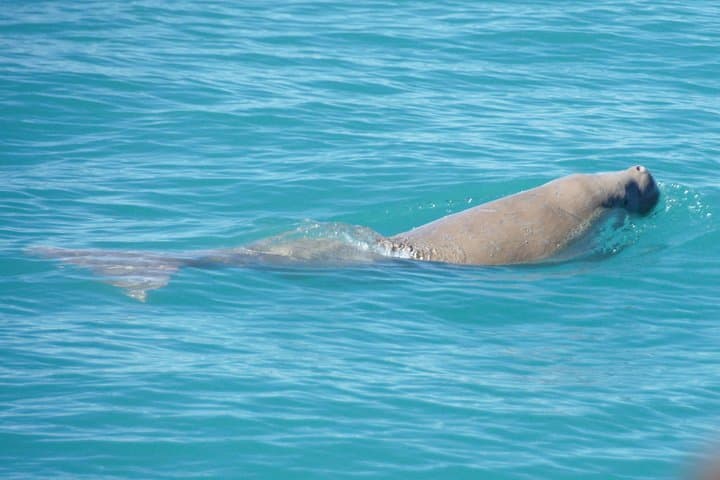
Roebuck Bay has long been a crossroads: traditional Yawuru country, later pearling camps, now a crucial marine habitat shaped by large tidal swings and mangrove-lined creeks. Geologically the bay is shallow and sediment-rich, creating feeding grounds for dugongs, turtles and migratory waders that drew Sir David Attenborough here. The culture of Broome leans on that coastline—fishing, Indigenous custodianship and eco-tourism that balances access with protection.
Practically, expect a 4–4.5 hour outing from Broome, boarding about 20 minutes before departure. Small-group viewing from a shaded 50-foot catamaran improves sighting chances and comfort; there’s a toilet on board and occasional boom-net swimming if conditions and wildlife allow. Morning light is best for photography and calmer seas; afternoon trips can be warmer and busier with shorebird activity.
Bring reef-safe sunscreen, a wind layer, and binoculars. Move slowly on deck when dolphins are near—quiet observation improves encounters and reduces stress on animals. The crew are stewards and sources of local knowledge; listen to their guidance to leave the bay healthier than you found it.
easy.
4–4.5 hours.
Suitable for most fitness levels; requires ability to board a low gangway and stand on deck for periods
The advertised duration is about 4 hours and 15 minutes (around 255 minutes) including boarding and search time on the water.
No—wildlife sightings vary day to day; guides maximize chances by using local knowledge but cannot guarantee specific animals.
There is a restroom on board. Swimming in the boom net may be possible but depends on conditions and wildlife presence for safety reasons.
Courtesy bus transfers are available from many Broome accommodations; check pick-up options at booking and allow time for transfers.
Roebuck Bay sits on Yawuru country and has long supported Indigenous fishing and contemporary pearling industries; it’s also internationally significant for migratory shorebirds.
Operators in Broome follow guidelines to minimize disturbance to marine life—keep noise low, avoid chasing animals, and use reef-safe products to reduce local impact.
Broome Whale Watching operates guided outdoor trips and adventures with an emphasis on safety, stewardship, and memorable experiences.
You step onto the low-slung catamaran and the air smells of salt and warm varnish; Roebuck Bay stretches flat and luminous, the mudflats glinting like a brass mirror. The crew eases the throttle and the water parts, revealing a choreography of shorebirds and bubbling currents that seem to dare you to keep up. The real prize—Australia’s rare snubfin dolphin—moves in small, curious groups, noses surfacing like punctuation marks along the bow.
You step onto the low-slung catamaran and the air smells of salt and warm varnish; Roebuck Bay stretches flat and luminous, the mudflats glinting like a brass mirror. The crew eases the throttle and the water parts, revealing a choreography of shorebirds and bubbling currents that seem to dare you to keep up. The real prize—Australia’s rare snubfin dolphin—moves in small, curious groups, noses surfacing like punctuation marks along the bow.
Roebuck Bay has long been a crossroads: traditional Yawuru country, later pearling camps, now a crucial marine habitat shaped by large tidal swings and mangrove-lined creeks. Geologically the bay is shallow and sediment-rich, creating feeding grounds for dugongs, turtles and migratory waders that drew Sir David Attenborough here. The culture of Broome leans on that coastline—fishing, Indigenous custodianship and eco-tourism that balances access with protection.
Practically, expect a 4–4.5 hour outing from Broome, boarding about 20 minutes before departure. Small-group viewing from a shaded 50-foot catamaran improves sighting chances and comfort; there’s a toilet on board and occasional boom-net swimming if conditions and wildlife allow. Morning light is best for photography and calmer seas; afternoon trips can be warmer and busier with shorebird activity.
Bring reef-safe sunscreen, a wind layer, and binoculars. Move slowly on deck when dolphins are near—quiet observation improves encounters and reduces stress on animals. The crew are stewards and sources of local knowledge; listen to their guidance to leave the bay healthier than you found it.