THE ADVENTURE COLLECTIVE® · Independent discovery and booking for outdoor travel

Spend three hours breathing below the surface without a full scuba course: Snuba around Emerald Reef, float above the La Famille Express wreck, and stroll Iguana Island with local guides. Expect vivid coral, calm shallow wreck dives, and close encounters with island iguanas.
Spend three hours breathing below the surface without a full scuba course: Snuba around Emerald Reef, float above the La Famille Express wreck, and stroll Iguana Island with local guides. Expect vivid coral, calm shallow wreck dives, and close encounters with island iguanas.
The engine hushes, the bow lifts, and a turquoise ribbon of sea opens between reefs — this is Providenciales from the water, where the ocean insists you pay attention. On a three‑hour Snuba outing from Walkin Marina you don’t just skim the surface; you breathe through a long regulator tethered to a floating air raft and step into a zone where coral gardens pulse with color and a grounded cargo ship sits like a museum exhibit in waist‑deep water.
Verified experiences and guided adventures in the surrounding area.
Operated by Caribbean Cruisin · Providenciales, Turks and Caicos Islands
The engine hushes, the bow lifts, and a turquoise ribbon of sea opens between reefs — this is Providenciales from the water, where the ocean insists you pay attention. On a three‑hour Snuba outing from Walkin Marina you don’t just skim the surface; you breathe through a long regulator tethered to a floating air raft and step into a zone where coral gardens pulse with color and a grounded cargo ship sits like a museum exhibit in waist‑deep water.
Guides brief you on the gear with the calm of people who have spent lifetimes reading wind and tide. The first stop, Emerald Reef, lives up to its name: plate corals fan out like stacked china, parrotfish chew away at the edges, and the water clarity makes it easy to watch a trumpetfish shadow a band of angelfish. The reef here is carbonate limestone overlaid with coral growth — a slow conversation between geology and biology shaped by currents passing through the Caicos Bank.
Then La Famille Express appears: a Hurricane Frances casualty from 2004 now lying in shallow water, its rusted silhouette an eerie but accessible waypoint. Here the wreck is less a dive site than a reef in progress; barnacles and corals have already started reclaiming metal, and schools of baitfish swirl in the ship’s hollows. The shallow depth makes this an ideal learning spot for Snuba — you get the helmeted breathing of scuba without the full commitment of a certification.
The final stop, Iguana Island, is a short, sunlit spit where rock and scrub meet the sea and native Turks and Caicos rock iguanas sun themselves on boulders. Seeing them up close — slow, armored, and utterly indifferent to goggle‑clad observers — is a quiet cultural moment: these reptiles are part of island life, and guides use the visit to explain local conservation efforts and the fragility of nearshore habitats.
Practicalities: meet at Walkin Marina (expect a small $5 parking fee and optional $20 round‑trip transport from many hotels). The tour is family‑friendly but not recommended for pregnant people or guests with serious heart or spinal conditions. Bring reef‑safe sunscreen, a towel, and seasickness meds if you’re prone to motion discomfort. Snuba equipment and bottled water are provided; guides lead each group in the water and keep the pace relaxed.
Timing matters: mornings often offer the best visibility and calmer seas, while mid‑day light brightens coral tones. Respect the reef — no touching or standing on coral — and listen closely during briefings; the guides’ local knowledge is your shortcut to safer, richer viewing. For three hours you’re both a spectator and a participant in a living marine classroom: the water will invite you in, and leave you with a clearer sense of why islands like Providenciales are worth protecting.
easy.
3 hours.
Comfortable with basic swimming and able to wade and float; suitable for most fitness levels.
No — Snuba uses a surface air supply and a brief training session; basic swimming ability and comfort in open water are recommended.
No — the wreck lies in shallow water (around 7 feet) and is treated as a snorkel/Snuba feature; follow guide instructions and avoid entering confined spaces.
Yes — the activity is family‑friendly, but age and health questions are asked during booking; individual guides will assess child readiness.
Expect colorful reef fish like parrotfish and angelfish, occasional rays, and on Iguana Island the native rock iguanas.
Many hotels are eligible for pickup for an additional fee (typically $20 round trip); confirm pickup location and timing when you book.
Tours may be canceled for safety if seas are rough or weather is poor; the operator offers refunds if canceled at least 24 hours prior.
La Famille Express ran aground during Hurricane Frances in 2004 and has since become an informal artificial reef and visual landmark for local boaters.
The reef system is fragile; operators encourage no‑touch policies, use of reef‑safe sunscreen, and support local marine protection measures to limit anchor damage.
Caribbean Cruisin operates guided outdoor trips and adventures with an emphasis on safety, stewardship, and memorable experiences.
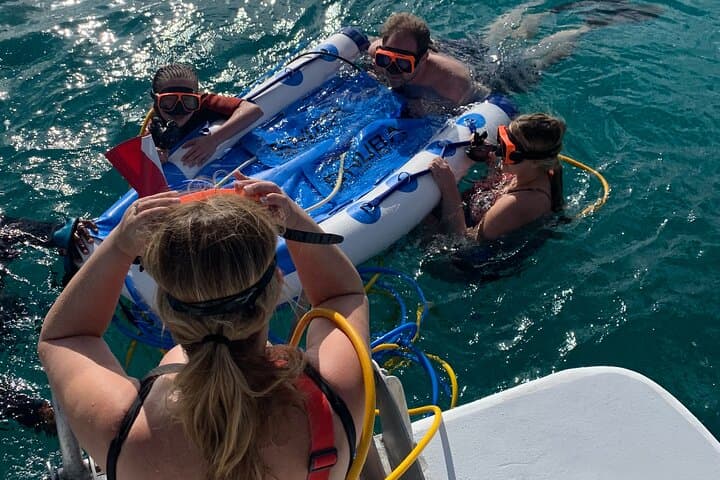
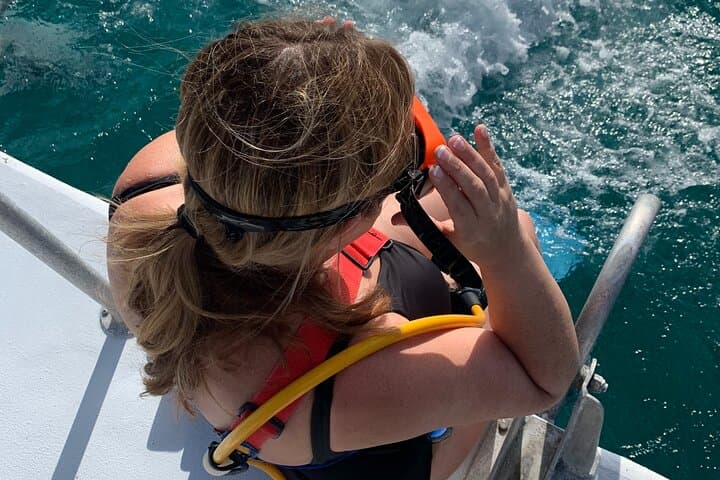
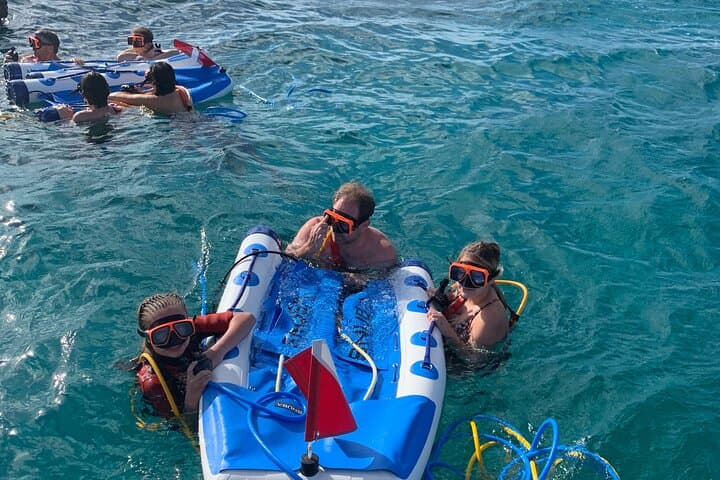
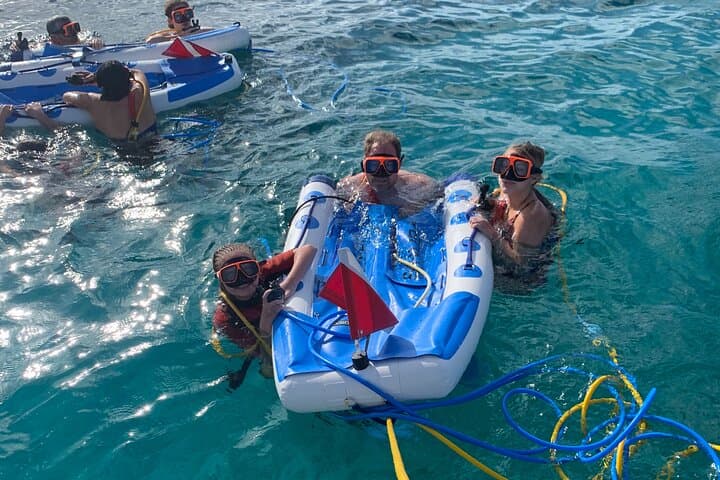
The engine hushes, the bow lifts, and a turquoise ribbon of sea opens between reefs — this is Providenciales from the water, where the ocean insists you pay attention. On a three‑hour Snuba outing from Walkin Marina you don’t just skim the surface; you breathe through a long regulator tethered to a floating air raft and step into a zone where coral gardens pulse with color and a grounded cargo ship sits like a museum exhibit in waist‑deep water.
The engine hushes, the bow lifts, and a turquoise ribbon of sea opens between reefs — this is Providenciales from the water, where the ocean insists you pay attention. On a three‑hour Snuba outing from Walkin Marina you don’t just skim the surface; you breathe through a long regulator tethered to a floating air raft and step into a zone where coral gardens pulse with color and a grounded cargo ship sits like a museum exhibit in waist‑deep water.
Guides brief you on the gear with the calm of people who have spent lifetimes reading wind and tide. The first stop, Emerald Reef, lives up to its name: plate corals fan out like stacked china, parrotfish chew away at the edges, and the water clarity makes it easy to watch a trumpetfish shadow a band of angelfish. The reef here is carbonate limestone overlaid with coral growth — a slow conversation between geology and biology shaped by currents passing through the Caicos Bank.
Then La Famille Express appears: a Hurricane Frances casualty from 2004 now lying in shallow water, its rusted silhouette an eerie but accessible waypoint. Here the wreck is less a dive site than a reef in progress; barnacles and corals have already started reclaiming metal, and schools of baitfish swirl in the ship’s hollows. The shallow depth makes this an ideal learning spot for Snuba — you get the helmeted breathing of scuba without the full commitment of a certification.
The final stop, Iguana Island, is a short, sunlit spit where rock and scrub meet the sea and native Turks and Caicos rock iguanas sun themselves on boulders. Seeing them up close — slow, armored, and utterly indifferent to goggle‑clad observers — is a quiet cultural moment: these reptiles are part of island life, and guides use the visit to explain local conservation efforts and the fragility of nearshore habitats.
Practicalities: meet at Walkin Marina (expect a small $5 parking fee and optional $20 round‑trip transport from many hotels). The tour is family‑friendly but not recommended for pregnant people or guests with serious heart or spinal conditions. Bring reef‑safe sunscreen, a towel, and seasickness meds if you’re prone to motion discomfort. Snuba equipment and bottled water are provided; guides lead each group in the water and keep the pace relaxed.
Timing matters: mornings often offer the best visibility and calmer seas, while mid‑day light brightens coral tones. Respect the reef — no touching or standing on coral — and listen closely during briefings; the guides’ local knowledge is your shortcut to safer, richer viewing. For three hours you’re both a spectator and a participant in a living marine classroom: the water will invite you in, and leave you with a clearer sense of why islands like Providenciales are worth protecting.