
Snowshoeing the Pollino National Park: Winter Trek Through Calabria's High Forests
Walk under ancient pines and across limestone plateaus on a guided snowshoe tour of Italy’s Pollino National Park. This 2–3 hour winter outing introduces you to the park’s geology, shepherding heritage and quiet snowy ridgelines.
An Adventure In Castrovillari.
Walk under ancient pines and across limestone plateaus on a guided snowshoe tour of Italy’s Pollino National Park. This 2–3 hour winter outing introduces you to the park’s geology, shepherding heritage and quiet snowy ridgelines.
Read the full experience
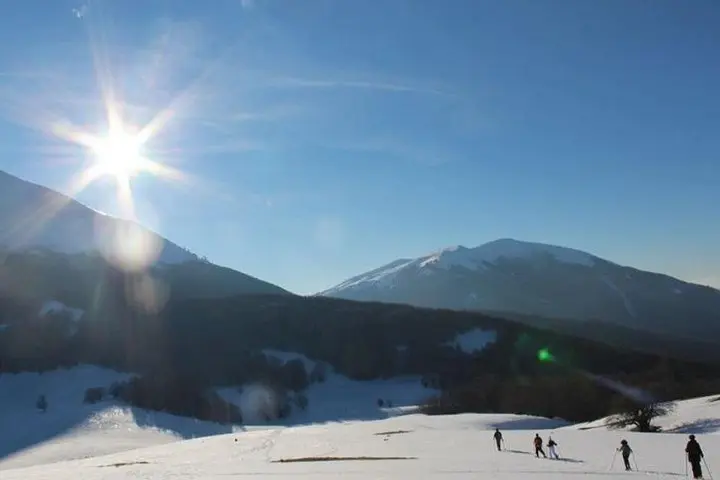
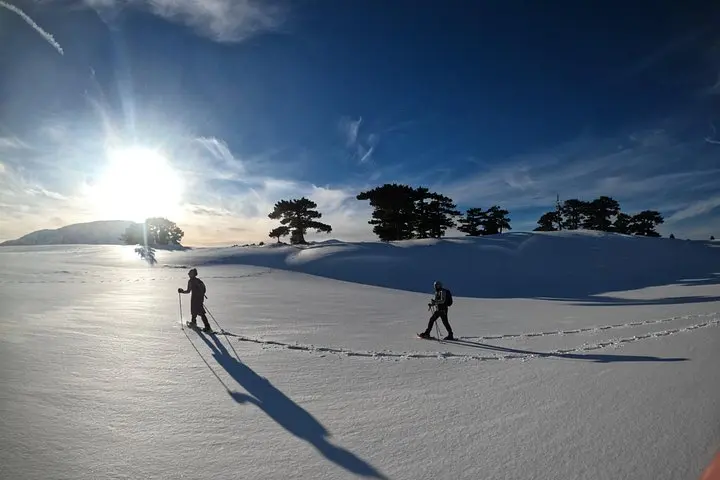
You step out of the minivan into an open slope where pine boughs are bowed with fresh snow and a pale sun lights the ridgelines. The first crunch underfoot is a clear, cold punctuation; the group furls into a single file as the guide fits snowshoes and points toward a gray, limestone skyline. The air bites and then steadies, carrying the scent of resin and compacted snow.
You step out of the minivan into an open slope where pine boughs are bowed with fresh snow and a pale sun lights the ridgelines. The first crunch underfoot is a clear, cold punctuation; the group furls into a single file as the guide fits snowshoes and points toward a gray, limestone skyline. The air bites and then steadies, carrying the scent of resin and compacted snow.
Pollino National Park, straddling Calabria and Basilicata, was set aside to protect a rugged massif of limestone spires, karst plateaus and ancient Bosnian pines. The landscape still bears the imprint of shepherding and seasonal transhumance—stone terraces, chestnut coppices, and scattered mountain hamlets that speak to centuries of human use. Geologically, the park is carved by ice and water: folds and gorges reveal layers of the Apennines while plateaus hold snow long into the spring.
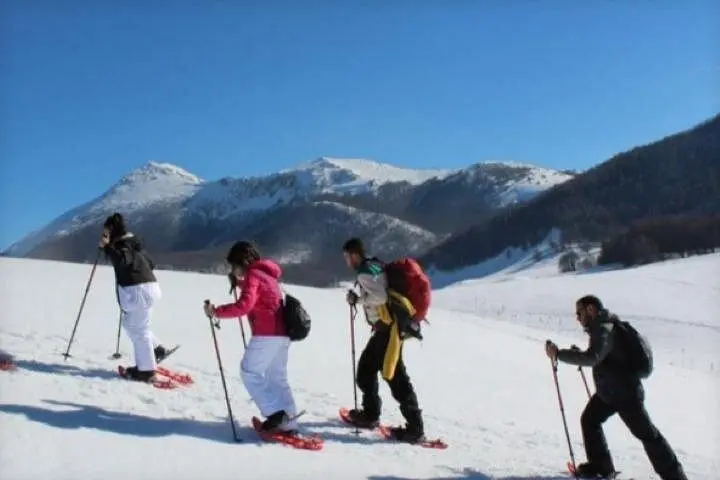
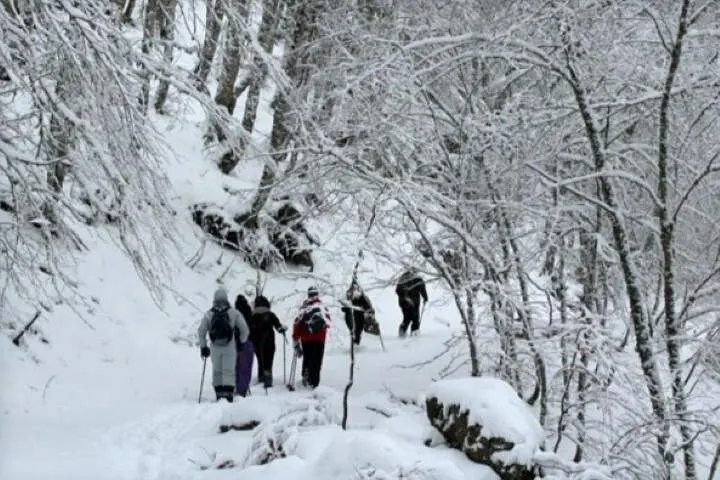
On a guided snowshoe walk you’ll move deliberately across gentle slopes and forest tracks rather than steep alpine ridges; the pace is conversational and observational, aiming to read animal tracks and identify tree species like the high-elevation pine.
Practical advice: expect a guided outing of roughly 2–3 hours with snowshoe and pole rental included. Wear waterproof boots with good ankle support, layer for temperature swings, and carry at least 1.5 liters of water and energy snacks. Tours run only when there’s sufficient snow and can be canceled for weather—confirm before you travel. Follow your guide’s route to limit impact on fragile high-altitude vegetation and local wildlife.
Frequently asked questions
Yes—snowshoes and poles are included with rental and fitted by the guide before departure.
The tour is rated easy and suitable for most people who can walk for 2–3 hours on uneven ground; inform the operator of any health restrictions.
The operator cancels or reschedules tours when snow is insufficient; check the booking confirmation for specific cancellation timing and refunds.
Start locations vary by departure—most itineraries meet at a nearby village or park access point; confirm exact pickup or meeting details with the operator before arrival.
About This Experience
Martulli Viaggi operates guided outdoor trips and adventures with an emphasis on safety, stewardship, and memorable experiences.
Adventure tips
Recommended gear
- Waterproof winter hiking boots: Provide ankle support and traction under snowshoes.
- Layered clothing (base, insulating, waterproof shell): Allows rapid temperature management during stops and on exposed ridgelines.
- Warm gloves and hat: Protect extremities from cold and wind during half-day outings.
- Sunglasses and sunscreen: Bright snow reflects UV—protect eyes and exposed skin even on overcast days.
Photos of the experience
Related adventures & guides
Read the full experience
You step out of the minivan into an open slope where pine boughs are bowed with fresh snow and a pale sun lights the ridgelines. The first crunch underfoot is a clear, cold punctuation; the group furls into a single file as the guide fits snowshoes and points toward a gray, limestone skyline. The air bites and then steadies, carrying the scent of resin and compacted snow.
You step out of the minivan into an open slope where pine boughs are bowed with fresh snow and a pale sun lights the ridgelines. The first crunch underfoot is a clear, cold punctuation; the group furls into a single file as the guide fits snowshoes and points toward a gray, limestone skyline. The air bites and then steadies, carrying the scent of resin and compacted snow.
Pollino National Park, straddling Calabria and Basilicata, was set aside to protect a rugged massif of limestone spires, karst plateaus and ancient Bosnian pines. The landscape still bears the imprint of shepherding and seasonal transhumance—stone terraces, chestnut coppices, and scattered mountain hamlets that speak to centuries of human use. Geologically, the park is carved by ice and water: folds and gorges reveal layers of the Apennines while plateaus hold snow long into the spring.
On a guided snowshoe walk you’ll move deliberately across gentle slopes and forest tracks rather than steep alpine ridges; the pace is conversational and observational, aiming to read animal tracks and identify tree species like the high-elevation pine.
Practical advice: expect a guided outing of roughly 2–3 hours with snowshoe and pole rental included. Wear waterproof boots with good ankle support, layer for temperature swings, and carry at least 1.5 liters of water and energy snacks. Tours run only when there’s sufficient snow and can be canceled for weather—confirm before you travel. Follow your guide’s route to limit impact on fragile high-altitude vegetation and local wildlife.
Make a day of it nearby.
Verified experiences and guided adventures in the surrounding area.