THE ADVENTURE COLLECTIVE® · Independent discovery and booking for outdoor travel

Board the Frognerseteren metro and swap city streets for snow-quiet spruce as guides fit your snowshoes and lead you through Oslomarka. This 3.5-hour guided outing combines easy terrain, wildlife spotting, and practical instruction—ideal for first-time snowshoers seeking a true Oslo winter forest experience.
Board the Frognerseteren metro and swap city streets for snow-quiet spruce as guides fit your snowshoes and lead you through Oslomarka. This 3.5-hour guided outing combines easy terrain, wildlife spotting, and practical instruction—ideal for first-time snowshoers seeking a true Oslo winter forest experience.
A quiet metro climb delivers you to Frognerseteren, where the city drops away and Oslomarka’s pines take charge. The air is thin and cold; snow settles on low branches and the forest seems to breathe around the group as guides fit snowshoes and distribute poles. Tracks crunch underfoot as the trail threads gentle rises and open clearings with skyline views back toward Oslo.
Verified experiences and guided adventures in the surrounding area.
Operated by When in Norway · Oslo, Oslo
A quiet metro climb delivers you to Frognerseteren, where the city drops away and Oslomarka’s pines take charge. The air is thin and cold; snow settles on low branches and the forest seems to breathe around the group as guides fit snowshoes and distribute poles. Tracks crunch underfoot as the trail threads gentle rises and open clearings with skyline views back toward Oslo.
Oslomarka is the green belt that has sheltered Oslo for centuries — once used for timber and grazing, now preserved for recreation and winter travel. Geologically, the terrain is a mix of glacially-scoured bedrock and moraine-filled hollows, so routes alternate between exposed rock, packed snow, and soft drifts. Local guides will point out Norwegian winter traditions and explain how cabins and old summer farms shaped trail patterns across the Marka.
Expect to move at an easy, steady pace for about 3–4 hours, including the scenic metro ride. Wildlife is shy but present: deer and foxes are common, and tracks of hares crisscross the snow. The guide adapts the route to group ability, teaching safe snowshoe technique and route-finding basics.
Practically: dress in insulated, breathable layers and waterproof boots, bring a thermos and spare gloves, and plan for public-transport return to Jernbanetorget. The operator supplies snowshoes and poles and emphasizes low-impact travel; stay on marked paths and pack out waste. This is a manageable winter outing for people in moderate shape who want a direct, guided way to experience Norway’s winter forest without long backcountry logistics.
moderate.
3–4 hours.
Moderate fitness: able to walk 6–8 km over varied snowy terrain at a steady pace
Yes—snowshoes and poles are provided and the guide will teach their use at the start.
The tour is moderate: expect steady walking for about 3.5 hours with gentle climbs and occasional uneven terrain.
Public transport is included in the tour inclusions, but carrying an OS travel card or payment method is recommended for personal travel before/after.
Children under 5 are not allowed; older children should have a reasonable fitness level to participate.
Oslomarka has long served Oslo as common forestland and grazing areas; historic summer farms and timber roads shape many modern trails.
Operators emphasize public-transport access and low-impact travel—stay on trails, pack out waste, and avoid disturbing wildlife to support Marka’s fragile winter ecology.
When in Norway operates guided outdoor trips and adventures with an emphasis on safety, stewardship, and memorable experiences.
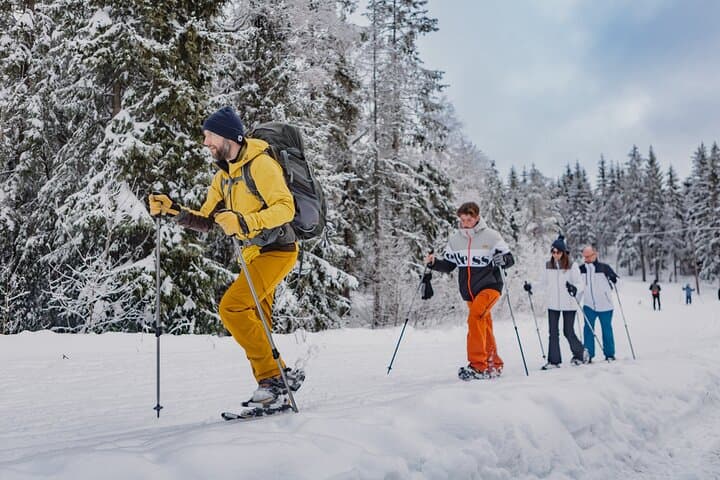
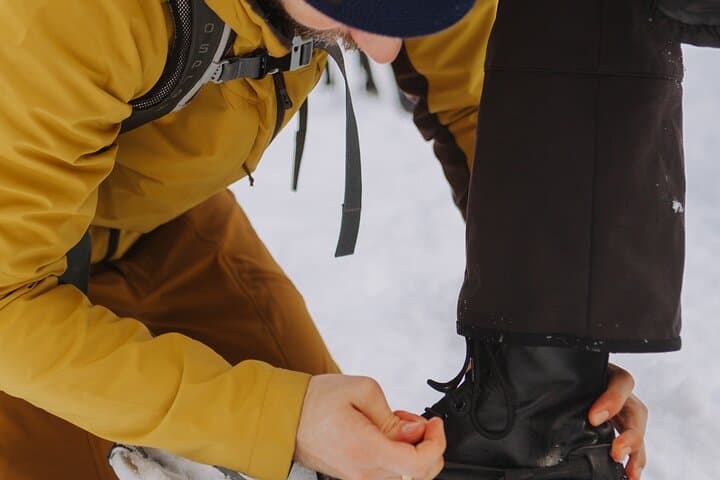
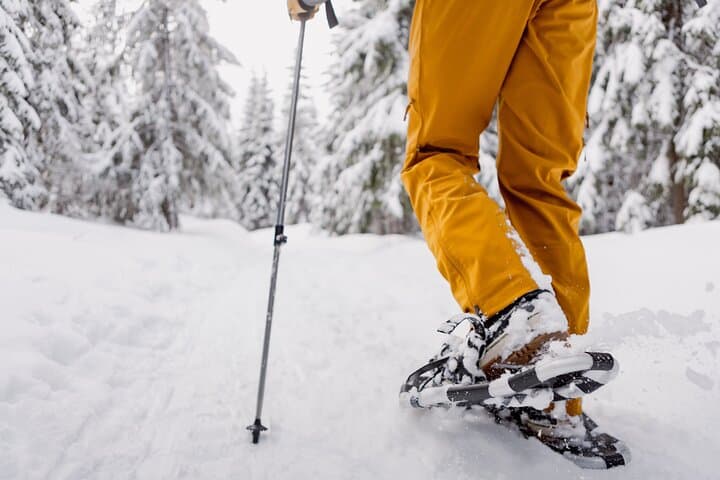
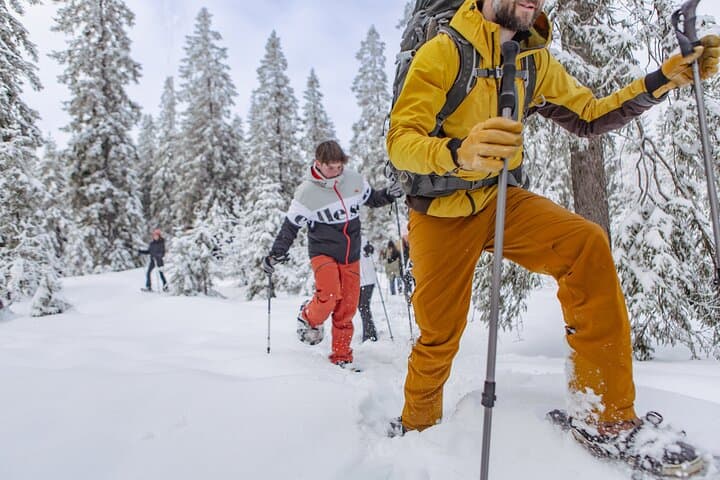
A quiet metro climb delivers you to Frognerseteren, where the city drops away and Oslomarka’s pines take charge. The air is thin and cold; snow settles on low branches and the forest seems to breathe around the group as guides fit snowshoes and distribute poles. Tracks crunch underfoot as the trail threads gentle rises and open clearings with skyline views back toward Oslo.
A quiet metro climb delivers you to Frognerseteren, where the city drops away and Oslomarka’s pines take charge. The air is thin and cold; snow settles on low branches and the forest seems to breathe around the group as guides fit snowshoes and distribute poles. Tracks crunch underfoot as the trail threads gentle rises and open clearings with skyline views back toward Oslo.
Oslomarka is the green belt that has sheltered Oslo for centuries — once used for timber and grazing, now preserved for recreation and winter travel. Geologically, the terrain is a mix of glacially-scoured bedrock and moraine-filled hollows, so routes alternate between exposed rock, packed snow, and soft drifts. Local guides will point out Norwegian winter traditions and explain how cabins and old summer farms shaped trail patterns across the Marka.
Expect to move at an easy, steady pace for about 3–4 hours, including the scenic metro ride. Wildlife is shy but present: deer and foxes are common, and tracks of hares crisscross the snow. The guide adapts the route to group ability, teaching safe snowshoe technique and route-finding basics.
Practically: dress in insulated, breathable layers and waterproof boots, bring a thermos and spare gloves, and plan for public-transport return to Jernbanetorget. The operator supplies snowshoes and poles and emphasizes low-impact travel; stay on marked paths and pack out waste. This is a manageable winter outing for people in moderate shape who want a direct, guided way to experience Norway’s winter forest without long backcountry logistics.