THE ADVENTURE COLLECTIVE® · Independent discovery and booking for outdoor travel

Explore Bakuriani’s winter hush on a guided snowshoe route that links pine forests, ruined villages and a trout-farm barbecue. This 4–4.5 hour outing blends geology, local culture and hands-on winter hiking.
Explore Bakuriani’s winter hush on a guided snowshoe route that links pine forests, ruined villages and a trout-farm barbecue. This 4–4.5 hour outing blends geology, local culture and hands-on winter hiking.
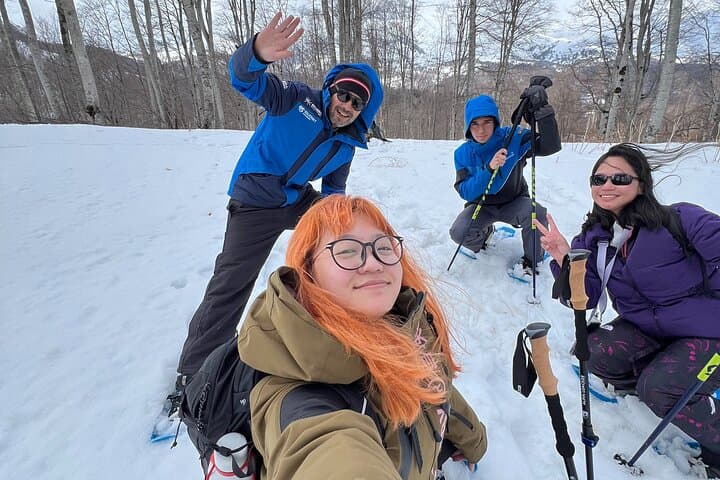
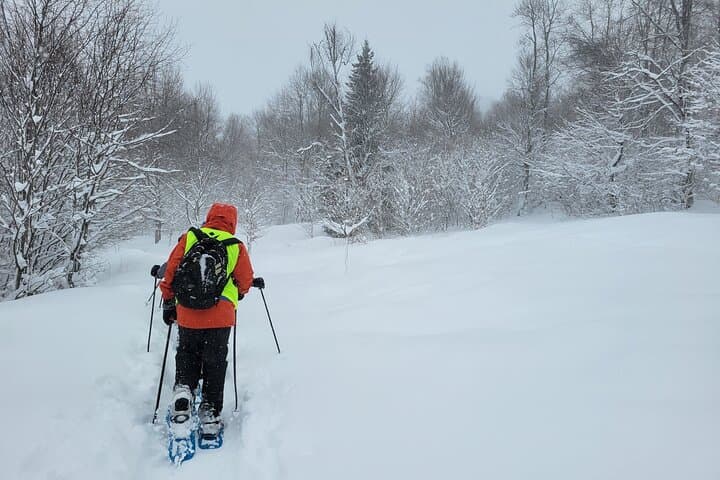
A cold breath of wind opens the morning as you step from a microbus into a wide white bowl above Bakuriani. Snow presses under new snowshoes with a quiet crunch; pines lean in like companions while the slope leads toward the ruins of old stone houses and the silhouette of Mount Kodiani. Steam rises from a village coffee pot some kilometers away — a human pulse in an otherwise silent winter landscape.
Verified experiences and guided adventures in the surrounding area.
Operated by skiclub GE · Bakuriani, Samtskhe-Javakheti
A cold breath of wind opens the morning as you step from a microbus into a wide white bowl above Bakuriani. Snow presses under new snowshoes with a quiet crunch; pines lean in like companions while the slope leads toward the ruins of old stone houses and the silhouette of Mount Kodiani. Steam rises from a village coffee pot some kilometers away — a human pulse in an otherwise silent winter landscape.
This route threads through a volcanic foothill zone of the Lesser Caucasus, where weathered basalt and karst outcrops meet dense Scots pine stands. The area has long been a seasonal crossroads: medieval fortresses like Tsikhisjvari guarded local valleys, and small Greek-settled villages kept distinct culinary and coffee-making traditions that you’ll taste on the trail. Geology shapes the views here — rounded ridgelines, river-cut gullies and a meadow that becomes a trout-farm clearing in low season.
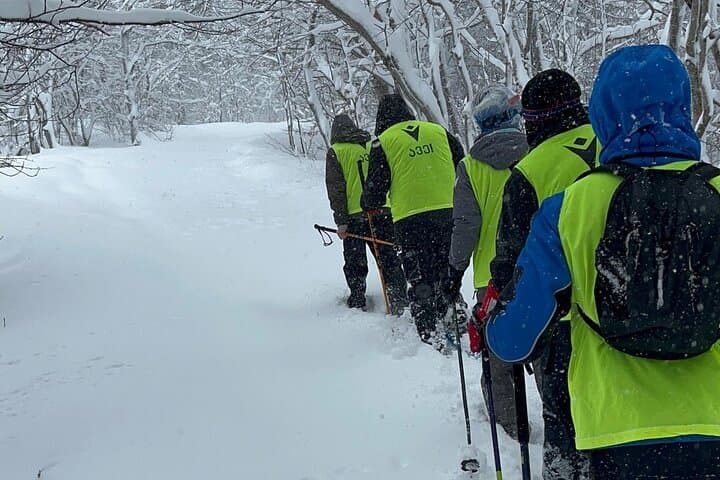
Practically, expect steady uphill segments to viewpoints, packed-snow flats through pine forest, and intermittent stone ruins underfoot; total outing time is about 4–4.5 hours. Guides provide snowshoes, poles and basic avalanche safety gear; bring layered insulation, waterproof boots, sunglasses and high-energy snacks. Hydrate before you start, use poles on icy pitches, and allow extra time for photography and the final barbecue at the trout farm. The route suits hikers with moderate fitness comfortable on winter terrain.
By midday the landscape has a rhythm — the pine breathes, the wind repositions snowdrifts, and the village coffee dares you to slow down. Follow local guidance, respect winter closures, and the day becomes a compact lesson in Caucasus winter travel.
moderate.
4–4.5 hours.
Moderate — comfortable with uphill walking for several hours and basic winter balance.
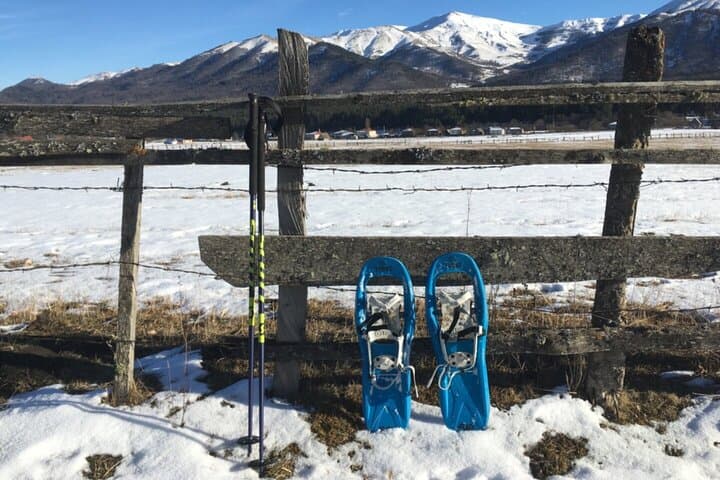
Private transport, snowshoes, poles, basic avalanche safety gear, hot coffee/tea, and a lunch box; the trout-farm barbecue visit is part of the itinerary.
The route is moderate: sustained walking on snow with some elevation gain; suitable for travelers in decent aerobic shape and comfortable with winter conditions.
Insulated waterproof boots, layered clothing, sunglasses/goggles, water and high-energy snacks; the operator supplies technical winter gear like snowshoes and poles.
Full refund if cancelled at least 24 hours before departure; the operator may cancel if weather is unsafe and provide a full refund within that window.
The area’s villages and hilltop fortifications date to the medieval period; scattered stone ruins reflect historic settlement along strategic passes of the Lesser Caucasus.
Stick to established tracks to limit winter trail erosion and avoid disturbing wildlife feeding or denning sites; pack out all waste and follow local guidance on trail closures.
skiclub GE operates guided outdoor trips and adventures with an emphasis on safety, stewardship, and memorable experiences.
A cold breath of wind opens the morning as you step from a microbus into a wide white bowl above Bakuriani. Snow presses under new snowshoes with a quiet crunch; pines lean in like companions while the slope leads toward the ruins of old stone houses and the silhouette of Mount Kodiani. Steam rises from a village coffee pot some kilometers away — a human pulse in an otherwise silent winter landscape.
A cold breath of wind opens the morning as you step from a microbus into a wide white bowl above Bakuriani. Snow presses under new snowshoes with a quiet crunch; pines lean in like companions while the slope leads toward the ruins of old stone houses and the silhouette of Mount Kodiani. Steam rises from a village coffee pot some kilometers away — a human pulse in an otherwise silent winter landscape.
This route threads through a volcanic foothill zone of the Lesser Caucasus, where weathered basalt and karst outcrops meet dense Scots pine stands. The area has long been a seasonal crossroads: medieval fortresses like Tsikhisjvari guarded local valleys, and small Greek-settled villages kept distinct culinary and coffee-making traditions that you’ll taste on the trail. Geology shapes the views here — rounded ridgelines, river-cut gullies and a meadow that becomes a trout-farm clearing in low season.
Practically, expect steady uphill segments to viewpoints, packed-snow flats through pine forest, and intermittent stone ruins underfoot; total outing time is about 4–4.5 hours. Guides provide snowshoes, poles and basic avalanche safety gear; bring layered insulation, waterproof boots, sunglasses and high-energy snacks. Hydrate before you start, use poles on icy pitches, and allow extra time for photography and the final barbecue at the trout farm. The route suits hikers with moderate fitness comfortable on winter terrain.
By midday the landscape has a rhythm — the pine breathes, the wind repositions snowdrifts, and the village coffee dares you to slow down. Follow local guidance, respect winter closures, and the day becomes a compact lesson in Caucasus winter travel.