THE ADVENTURE COLLECTIVE® · Independent discovery and booking for outdoor travel

Snowshoe an 8 km route through fir forest to reach rare ice stalactites and stalagmites on the Noboribetsu River that appear about ten weeks each winter. This guided 6-hour outing combines gentle climbs, a hot drink at the caves, and close-up views of three-meter ice formations.
Snowshoe an 8 km route through fir forest to reach rare ice stalactites and stalagmites on the Noboribetsu River that appear about ten weeks each winter. This guided 6-hour outing combines gentle climbs, a hot drink at the caves, and close-up views of three-meter ice formations.
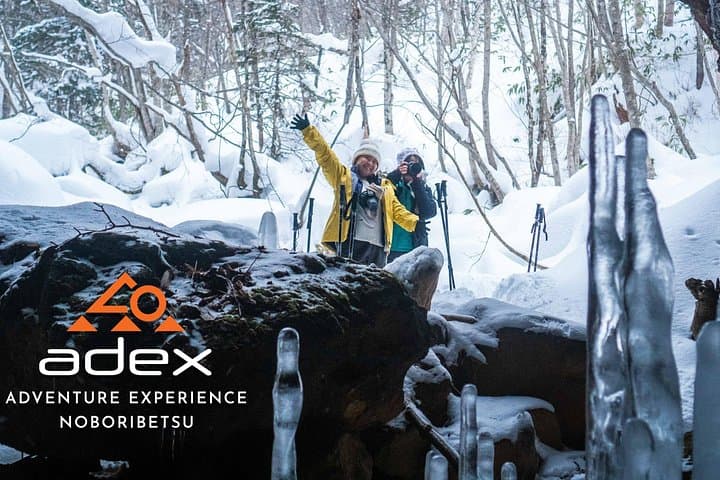
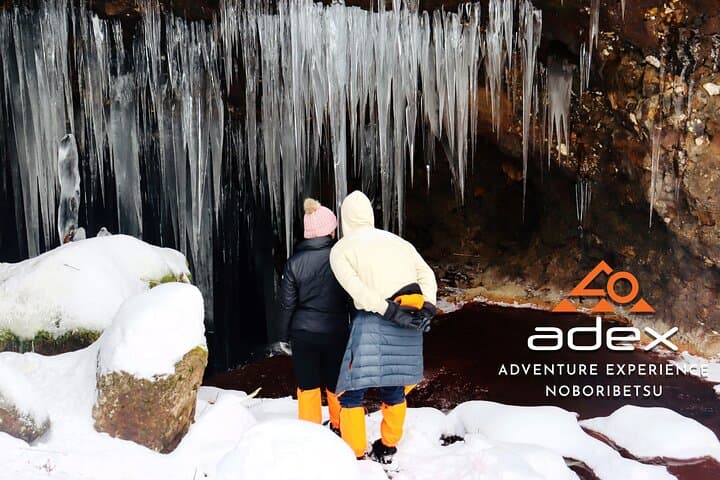
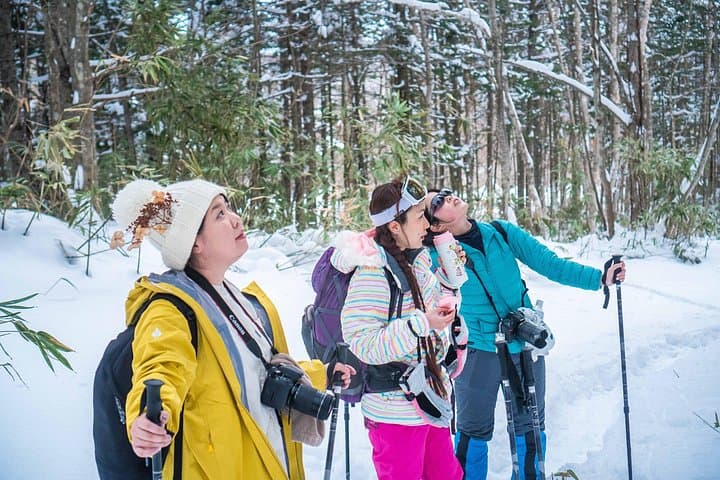
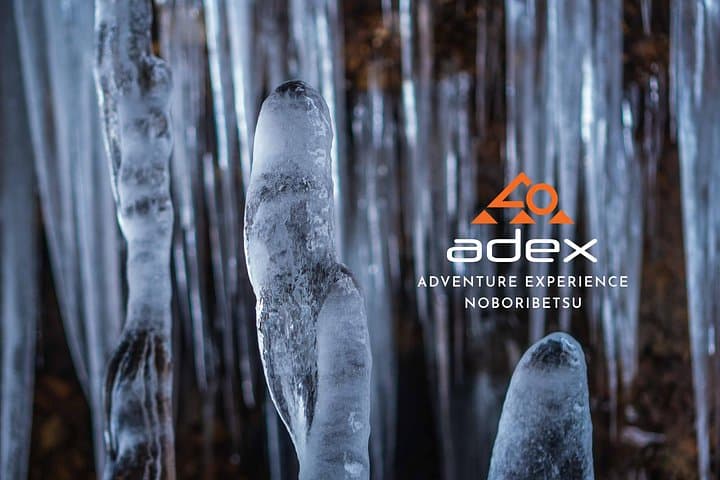
A cold wind threads through fir crowns as the group squares their snowshoes at the trailhead, breath steaming in the clear Hokkaido air. The path follows the Noboribetsu River valley, a quiet channel in winter where ice columns hang like frozen chandeliers and the forest hush dares you to listen. Snow softens every step; the climb is steady, not steep, and the world narrows to the crunch of packed snow and the occasional drip from melting ice.
Verified experiences and guided adventures in the surrounding area.
Operated by adex - adventure experience · Noboribetsu, Hokkaido
A cold wind threads through fir crowns as the group squares their snowshoes at the trailhead, breath steaming in the clear Hokkaido air. The path follows the Noboribetsu River valley, a quiet channel in winter where ice columns hang like frozen chandeliers and the forest hush dares you to listen. Snow softens every step; the climb is steady, not steep, and the world narrows to the crunch of packed snow and the occasional drip from melting ice.
This phenomenon appears for roughly ten weeks each winter when groundwater and river spray meet subzero nights and volcanic geology. Noboribetsu’s volcanic history—hot springs and sulfuric soils—helps create the microconditions that let stalactites and stalagmites grow up to three meters. The area has long been tied to Ainu presence and to onsen culture; today visitors pair the raw cold of the caves with warm regional hospitality nearby.
Practically, expect an 8 km round-trip over varied snow: packed trail, some soft sections, and light ascending through fir and native mixed forest. Guides pause at the cavern to serve a simple hot drink and light meal while you study the ice formations and photograph from safe distances. Equipment typically includes snowshoes and poles; bring waterproof boots, layered insulating clothing, and a camera with spare batteries (cold shortens life).
Timing matters: go on a clear, cold morning for the best structural clarity and softer crowds. Respect the formations—no touching—and follow guide instructions to minimize impact. For travelers who want a concise, high-reward winter outing, this snowshoe trek delivers both spectacle and approachable alpine rhythm.
moderate.
6 hours.
Moderate fitness; comfortable walking 8 km over snow and managing occasional short ascents
The guided route is approximately 8 km round-trip with gentle climbs and is scheduled for about 6 hours including breaks.
Yes—operators typically supply snowshoes and poles in a range of sizes; check availability if you require specific sizing.
Yes, for people with moderate fitness; guides lead at a steady pace and brief instruction on snowshoe use is provided.
Mid-winter during sustained cold spells—generally a roughly ten-week window—yields the most robust stalactites and stalagmites.
Noboribetsu sits within a volcanic landscape long associated with onsen culture; the same geothermal and fluvial dynamics contribute to seasonal ice cave formation.
Ice formations are delicate—avoid touching, stay on guide-directed routes, and carry out all trash to reduce human impact on the valley.
adex - adventure experience operates guided outdoor trips and adventures with an emphasis on safety, stewardship, and memorable experiences.
A cold wind threads through fir crowns as the group squares their snowshoes at the trailhead, breath steaming in the clear Hokkaido air. The path follows the Noboribetsu River valley, a quiet channel in winter where ice columns hang like frozen chandeliers and the forest hush dares you to listen. Snow softens every step; the climb is steady, not steep, and the world narrows to the crunch of packed snow and the occasional drip from melting ice.
A cold wind threads through fir crowns as the group squares their snowshoes at the trailhead, breath steaming in the clear Hokkaido air. The path follows the Noboribetsu River valley, a quiet channel in winter where ice columns hang like frozen chandeliers and the forest hush dares you to listen. Snow softens every step; the climb is steady, not steep, and the world narrows to the crunch of packed snow and the occasional drip from melting ice.
This phenomenon appears for roughly ten weeks each winter when groundwater and river spray meet subzero nights and volcanic geology. Noboribetsu’s volcanic history—hot springs and sulfuric soils—helps create the microconditions that let stalactites and stalagmites grow up to three meters. The area has long been tied to Ainu presence and to onsen culture; today visitors pair the raw cold of the caves with warm regional hospitality nearby.
Practically, expect an 8 km round-trip over varied snow: packed trail, some soft sections, and light ascending through fir and native mixed forest. Guides pause at the cavern to serve a simple hot drink and light meal while you study the ice formations and photograph from safe distances. Equipment typically includes snowshoes and poles; bring waterproof boots, layered insulating clothing, and a camera with spare batteries (cold shortens life).
Timing matters: go on a clear, cold morning for the best structural clarity and softer crowds. Respect the formations—no touching—and follow guide instructions to minimize impact. For travelers who want a concise, high-reward winter outing, this snowshoe trek delivers both spectacle and approachable alpine rhythm.