THE ADVENTURE COLLECTIVE® · Independent discovery and booking for outdoor travel

Follow a local biologist through ancient Lapland forest on snowshoes, scouting tracks, birds and winter behavior before warming up by an open-fire kota. Practical natural-history interpretation meets quiet winter landscape in a 2–3 hour outing near Inari.
Follow a local biologist through ancient Lapland forest on snowshoes, scouting tracks, birds and winter behavior before warming up by an open-fire kota. Practical natural-history interpretation meets quiet winter landscape in a 2–3 hour outing near Inari.
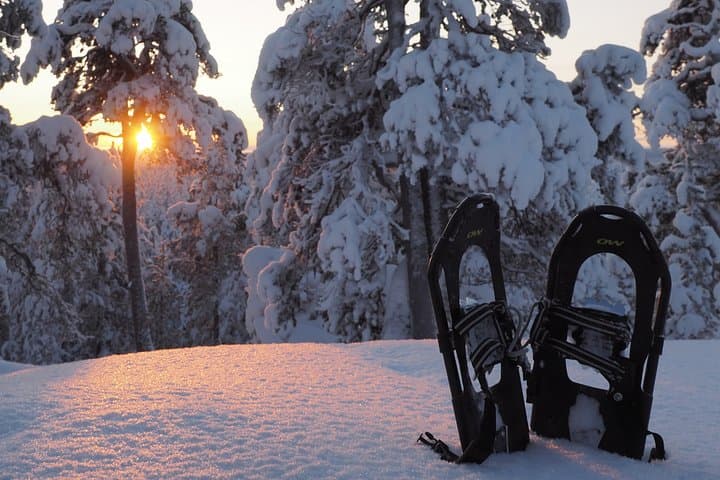
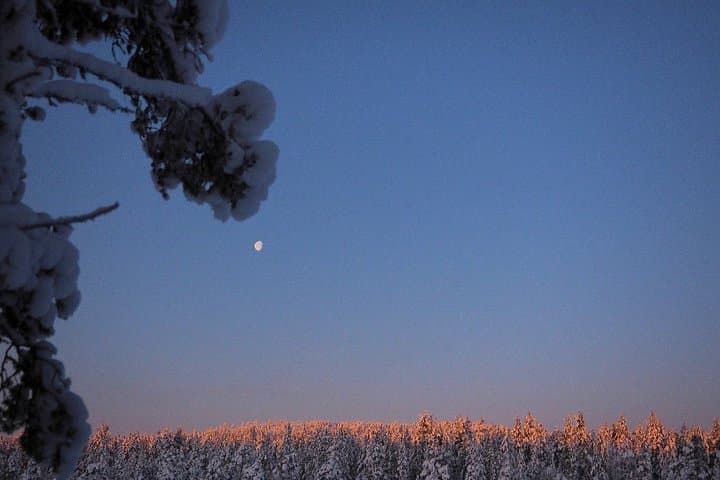
A hush falls over the forest the moment the group steps off the track — wind threading through pines while frozen lakes reflect a low winter light. Participants strap on snowshoes supplied by the guide and follow a local biologist into an ancient patch of Lapland woodland, moving from open ridges above mires down to sheltered lake edges.
Verified experiences and guided adventures in the surrounding area.
Operated by AT Nature · Inari, Lapland
A hush falls over the forest the moment the group steps off the track — wind threading through pines while frozen lakes reflect a low winter light. Participants strap on snowshoes supplied by the guide and follow a local biologist into an ancient patch of Lapland woodland, moving from open ridges above mires down to sheltered lake edges.
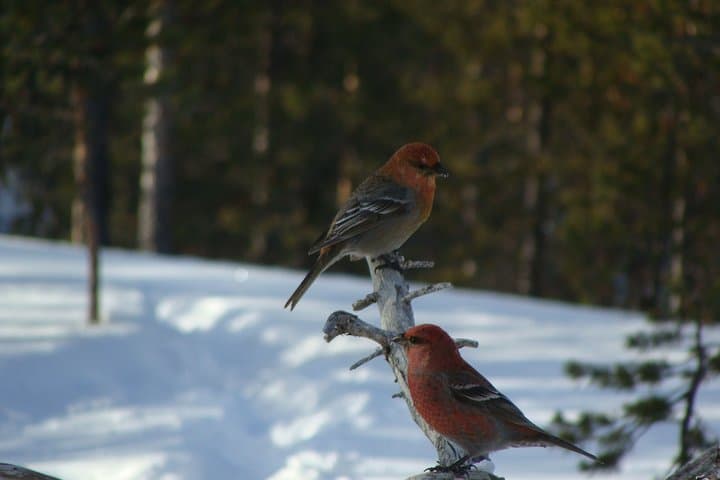
This region of Inari sits on glacially carved ground: shallow lakes, peat mires and outcrops shaped during the last Ice Age. Sámi cultural presence is long-standing here; traditional bushcraft and seasonal subsistence still influence local land use and knowledge shared by guides. The biologist interprets animal tracks — elk hooves, mountain hare trails — and points out resident birds like Siberian Jay and Siberian Tit, explaining migratory timing such as the arrival of Pine Grosbeaks in late winter.
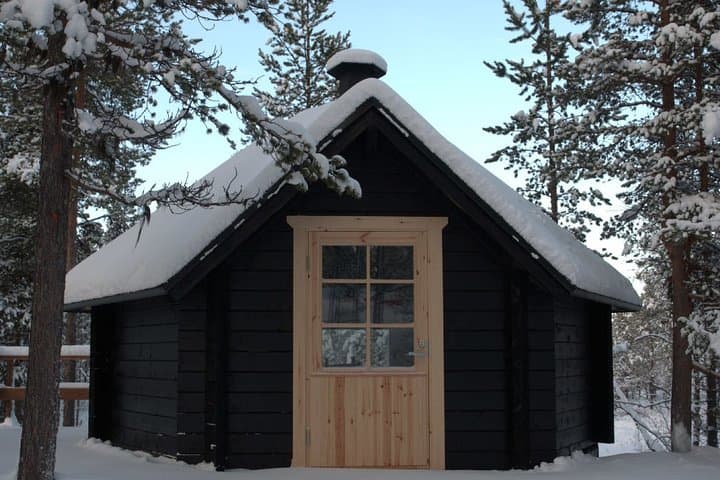
Expect 2–3 hours on snow-covered forest trails, roughly 2–4 km over mostly flat to gently rolling terrain with minimal elevation gain. The walk pauses for observational stops, and finishes around an open-fire kota with hot drinks and local snacks provided.
Practical notes: dress in layered insulation, use waterproof winter boots; trails can be soft and uneven so poles help balance. Morning outings catch crisper light and more animal signs; mid-day warmer temperatures can cause crusted snow. The operator supplies snowshoes and poles, and the tour is suitable for a wide range of fitness levels but not recommended for people with serious heart conditions. With clear skies, the experience blends practical natural history with the quiet immediacy of Arctic winter woods.
easy.
2–3 hours.
Suitable for participants in light to moderate physical condition; comfortable walking for 2–3 hours over snow is sufficient.
The tour lasts about 2.5 hours and covers roughly 2–4 km on mostly flat to gently rolling snow-covered terrain.
Yes — snowshoes and walking poles are included in the price and provided by the operator.
The walk is rated easy and suitable for many ages, but not recommended for people with serious cardiovascular conditions; check with the operator if in doubt.
Common sightings include Siberian Jay, Siberian Tit and bird activity; there’s a chance of spotting elk or mountain hare, especially at dawn or dusk.
The Inari region has long been a homeland of the Sámi people; traditional knowledge of winter bushcraft and seasonal routes informs local guiding practices.
Peat mires and tundra are sensitive; follow the guide, avoid trampling vegetation in thaw periods, and use marked paths to minimize impact.
AT Nature operates guided outdoor trips and adventures with an emphasis on safety, stewardship, and memorable experiences.
A hush falls over the forest the moment the group steps off the track — wind threading through pines while frozen lakes reflect a low winter light. Participants strap on snowshoes supplied by the guide and follow a local biologist into an ancient patch of Lapland woodland, moving from open ridges above mires down to sheltered lake edges.
A hush falls over the forest the moment the group steps off the track — wind threading through pines while frozen lakes reflect a low winter light. Participants strap on snowshoes supplied by the guide and follow a local biologist into an ancient patch of Lapland woodland, moving from open ridges above mires down to sheltered lake edges.
This region of Inari sits on glacially carved ground: shallow lakes, peat mires and outcrops shaped during the last Ice Age. Sámi cultural presence is long-standing here; traditional bushcraft and seasonal subsistence still influence local land use and knowledge shared by guides. The biologist interprets animal tracks — elk hooves, mountain hare trails — and points out resident birds like Siberian Jay and Siberian Tit, explaining migratory timing such as the arrival of Pine Grosbeaks in late winter.
Expect 2–3 hours on snow-covered forest trails, roughly 2–4 km over mostly flat to gently rolling terrain with minimal elevation gain. The walk pauses for observational stops, and finishes around an open-fire kota with hot drinks and local snacks provided.
Practical notes: dress in layered insulation, use waterproof winter boots; trails can be soft and uneven so poles help balance. Morning outings catch crisper light and more animal signs; mid-day warmer temperatures can cause crusted snow. The operator supplies snowshoes and poles, and the tour is suitable for a wide range of fitness levels but not recommended for people with serious heart conditions. With clear skies, the experience blends practical natural history with the quiet immediacy of Arctic winter woods.