THE ADVENTURE COLLECTIVE® · Independent discovery and booking for outdoor travel

Learn to climb and scramble on Snowdonia’s dramatic crags from instructor-led single-day and multi-day courses based around Capel Curig. Expect slab, crack, and exposed ridge work with focused skill training and practical route-finding.
Learn to climb and scramble on Snowdonia’s dramatic crags from instructor-led single-day and multi-day courses based around Capel Curig. Expect slab, crack, and exposed ridge work with focused skill training and practical route-finding.
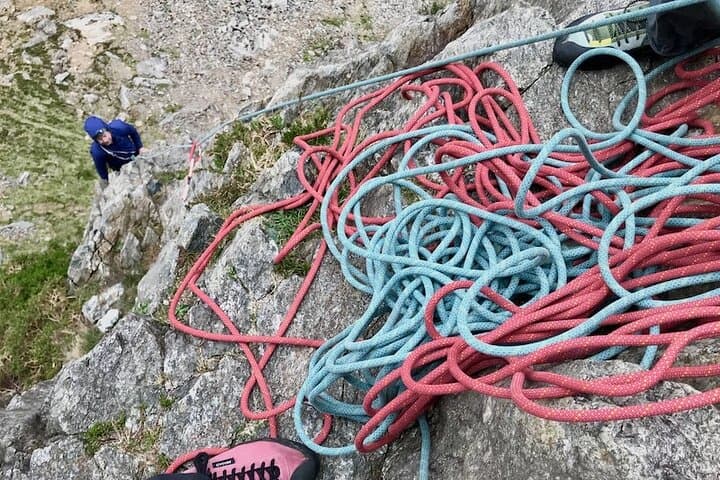
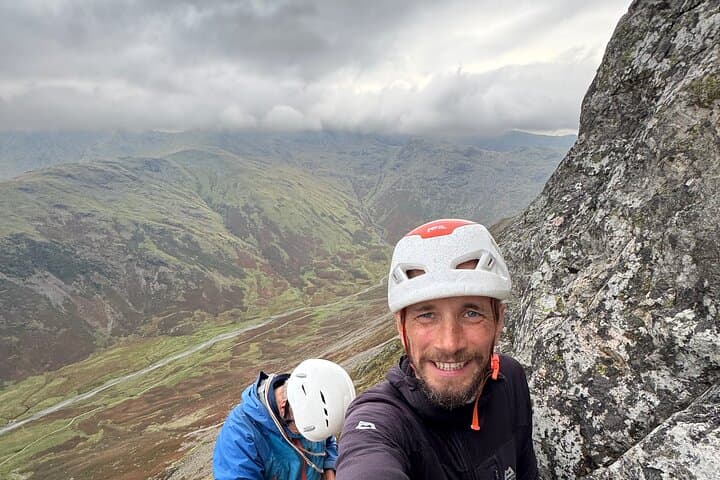
A gray sky hangs low over the Glyderau as climbers rope up in Capel Curig, the wind routing itself through crags and gullies. Rock faces rise like a vertical map of the last ice age—jagged ribs of rhyolite and slate that demand attention. Here, every hold and ledge has a story: glacial polish at the base, scree fields higher up, and ridgelines that open into uncompromising panoramas of lakes and distant sea.
Verified experiences and guided adventures in the surrounding area.
Operated by Ascension Adventures · Capel Curig, Gwynedd
A gray sky hangs low over the Glyderau as climbers rope up in Capel Curig, the wind routing itself through crags and gullies. Rock faces rise like a vertical map of the last ice age—jagged ribs of rhyolite and slate that demand attention. Here, every hold and ledge has a story: glacial polish at the base, scree fields higher up, and ridgelines that open into uncompromising panoramas of lakes and distant sea.
Snowdonia (Eryri) carries human history in quarry walls and place names; Welsh is still woven into trail markers and farmsteads. Geologically it’s a playground of Ordovician volcanics and later glaciation—routes vary from high-grade trad on the Llanberis Pass to airy scrambles on Tryfan and steep single-pitch sport on coastal cliffs. Local culture favors measured skill: mountaineering clubs and slate-quarry heritage shape a practical, safety-first climbing etiquette.
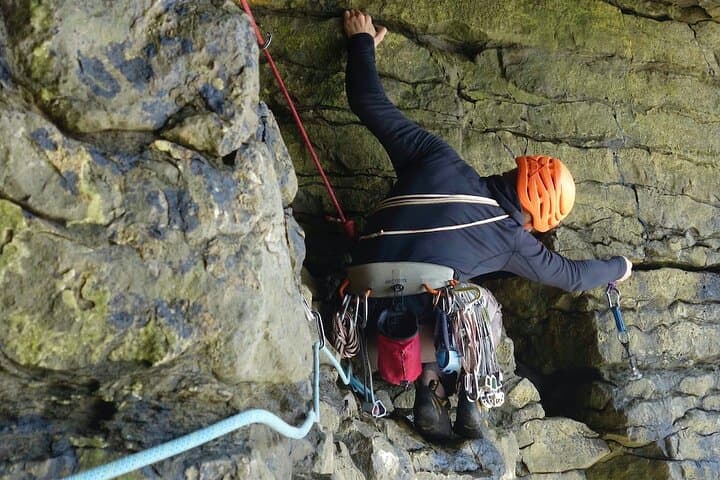
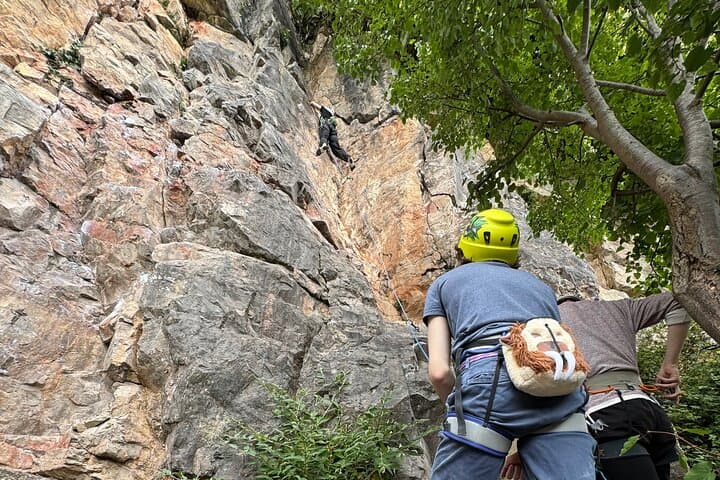
Expect a mix of slab, crack, and exposed arête climbing on coarse, weathered rock. Instructors typically tailor objectives—skills sessions cover anchors, belay systems, route finding, and multi-pitch techniques—so novices can progress safely while experienced climbers refine leads.
Practical guidance: start early to beat afternoon winds, check the mountain forecast, and plan for varied footing—wet slate is noticeably slick. Hydrate and layer: mountain weather can flip from sun to sleet in an hour. Book through an accredited provider that supplies helmets and ropes, and be prepared to walk approaches of 30–90 minutes with 300–600m of ascent on technical days.
This is an immersive, hands-on experience where rock pushes back and the ridge rewards steady work with views you’ll feel in your legs as much as your memory.
challenging.
6–10 hours (typical day course).
Participants should have good cardiovascular fitness, leg strength for sustained approaches and confidence on steep, uneven terrain.
No; many providers offer beginner-focused sessions that teach basic ropework and movement, although some routes require a good head for exposure.
Groups are often small (4–6) for personalized instruction, but private bookings are available for tailored objectives.
Most operators require 24 hours’ notice for a full refund—check the booking terms and weather-related flexibilities before you pay.
Capel Curig is reachable by car from the A5; regular buses and rail connections to Betws-y-Coed serve the area, but taxi or private transfer is common for early starts.
Snowdonia’s crags formed from Ordovician volcanics; nearby slate quarries and farming shaped local culture and many place names remain Welsh (Eryri).
Stick to established paths to reduce erosion, pack out waste, and use local guiding outfits that follow Leave No Trace principles to protect fragile upland heaths.
Ascension Adventures operates guided outdoor trips and adventures with an emphasis on safety, stewardship, and memorable experiences.
A gray sky hangs low over the Glyderau as climbers rope up in Capel Curig, the wind routing itself through crags and gullies. Rock faces rise like a vertical map of the last ice age—jagged ribs of rhyolite and slate that demand attention. Here, every hold and ledge has a story: glacial polish at the base, scree fields higher up, and ridgelines that open into uncompromising panoramas of lakes and distant sea.
A gray sky hangs low over the Glyderau as climbers rope up in Capel Curig, the wind routing itself through crags and gullies. Rock faces rise like a vertical map of the last ice age—jagged ribs of rhyolite and slate that demand attention. Here, every hold and ledge has a story: glacial polish at the base, scree fields higher up, and ridgelines that open into uncompromising panoramas of lakes and distant sea.
Snowdonia (Eryri) carries human history in quarry walls and place names; Welsh is still woven into trail markers and farmsteads. Geologically it’s a playground of Ordovician volcanics and later glaciation—routes vary from high-grade trad on the Llanberis Pass to airy scrambles on Tryfan and steep single-pitch sport on coastal cliffs. Local culture favors measured skill: mountaineering clubs and slate-quarry heritage shape a practical, safety-first climbing etiquette.
Expect a mix of slab, crack, and exposed arête climbing on coarse, weathered rock. Instructors typically tailor objectives—skills sessions cover anchors, belay systems, route finding, and multi-pitch techniques—so novices can progress safely while experienced climbers refine leads.
Practical guidance: start early to beat afternoon winds, check the mountain forecast, and plan for varied footing—wet slate is noticeably slick. Hydrate and layer: mountain weather can flip from sun to sleet in an hour. Book through an accredited provider that supplies helmets and ropes, and be prepared to walk approaches of 30–90 minutes with 300–600m of ascent on technical days.
This is an immersive, hands-on experience where rock pushes back and the ridge rewards steady work with views you’ll feel in your legs as much as your memory.