THE ADVENTURE COLLECTIVE® · Independent discovery and booking for outdoor travel

Ride the Shinkansen from Tokyo for a day among Nagano’s onsen-steeped macaques and a centuries-old miso brewery. This practical day trip pairs wildlife viewing at Jigokudani with hands-on food culture in Obuse.
Ride the Shinkansen from Tokyo for a day among Nagano’s onsen-steeped macaques and a centuries-old miso brewery. This practical day trip pairs wildlife viewing at Jigokudani with hands-on food culture in Obuse.
A cold breath of mountain air meets the metallic whoosh of the Hokuriku Shinkansen as you depart Tokyo for a full day in Nagano’s high valleys.
Verified experiences and guided adventures in the surrounding area.
Operated by JTB Global Marketing & Travel Inc. · Yamanouchi, Nagano
A cold breath of mountain air meets the metallic whoosh of the Hokuriku Shinkansen as you depart Tokyo for a full day in Nagano’s high valleys.
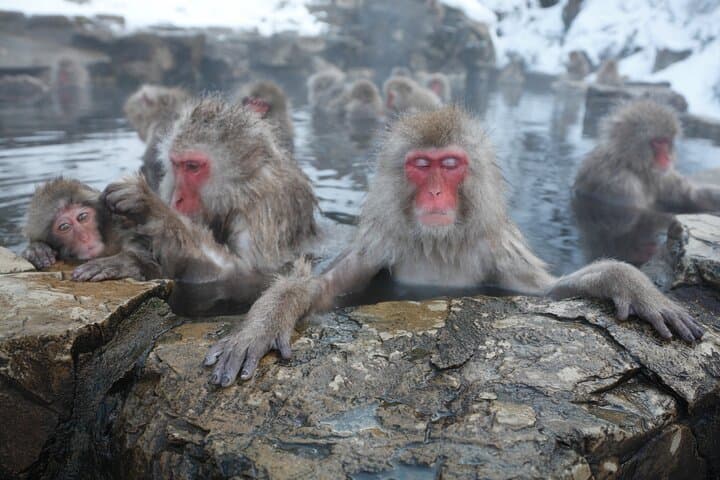
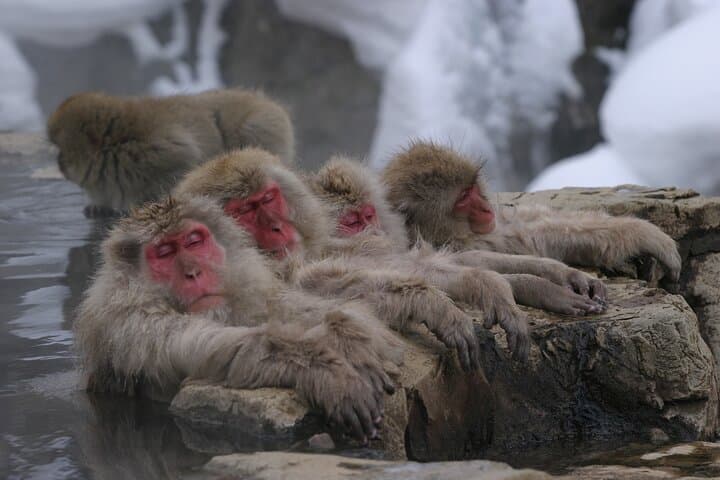
Arriving at Nagano Station, the tour threads through Obuse’s low-slung streets—where chestnut sweets and Hokusai prints anchor a small-town cultural pulse—before climbing toward Jigokudani. The monkey park sits at roughly 850 m elevation; steam from a narrow river and the natural onsen dare the wild macaques into public relaxation, a behavior shaped by the area’s volcanic geology and cold winters.
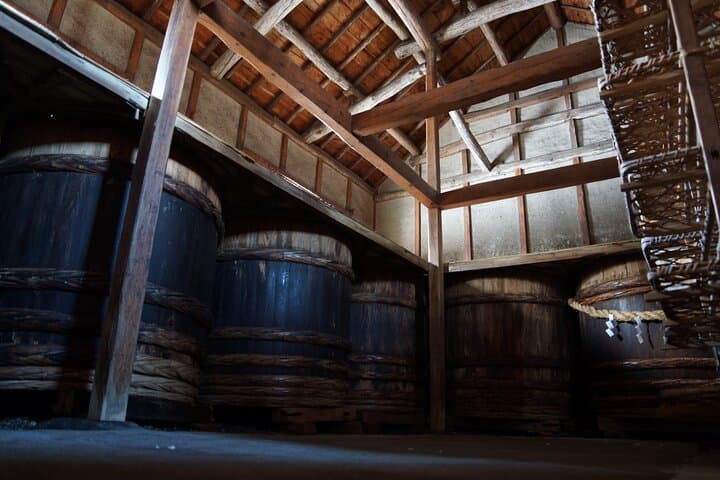
Miso production here is a living craft. A 300-year-old brewery demonstrates fermentation practices that made miso central to washoku, Japan’s traditional cuisine, linking agriculture, salt routes and regional identity.
Expect about 50 minutes of firm walking each way on the trail to the monkey viewing area, variable footing, and cooler temperatures than Nagano plain.
Practical guidance: bring layered insulation and non-slip footwear—winter can freeze the path. Photography is rewarding but keep distance and follow park rules: do not feed or touch the macaques. The hot-spring-soaking behavior is most likely in midwinter through early March; spring and summer reveal playful young and seasonal births.
Timing matters: the schedule hinges on reserved Shinkansen seats and local transport; allow buffer time for ticket pickup at Tokyo City i. If weather or animal behavior closes the park, the operator issues refunds. For a compact immersion of wildlife observation, rural cuisine and Edo-period craft, this day trip balances train efficiency with slow, close-up nature encounters.
moderate.
10–12 hours.
Moderate fitness for two 50-minute walks on uneven ground and standing during viewing; comfortable walking pace.
Plan for about 45–60 minutes each way on a maintained forest trail; footing can be uneven with roots and steps.
The hot-spring soaking is most common in winter through early March but is not guaranteed—monkey behavior and weather influence sightings.
No—lunch in Obuse is independent so budget time and cash for restaurants or street vendors.
This tour involves significant walking and is not recommended for those with serious mobility or spinal issues; infants must sit on laps and parental permission may be required for minors.
Obuse became a cultural pocket in the Edo period and later drew artists like Hokusai; Nagano’s miso breweries have produced fermented soybean paste for centuries, integral to regional diets.
Jigokudani maintains strict rules to reduce human impact on macaques; visitors should follow signage to avoid habituation and protect both animals and habitat.
JTB Global Marketing & Travel Inc. operates guided outdoor trips and adventures with an emphasis on safety, stewardship, and memorable experiences.
A cold breath of mountain air meets the metallic whoosh of the Hokuriku Shinkansen as you depart Tokyo for a full day in Nagano’s high valleys.
A cold breath of mountain air meets the metallic whoosh of the Hokuriku Shinkansen as you depart Tokyo for a full day in Nagano’s high valleys.
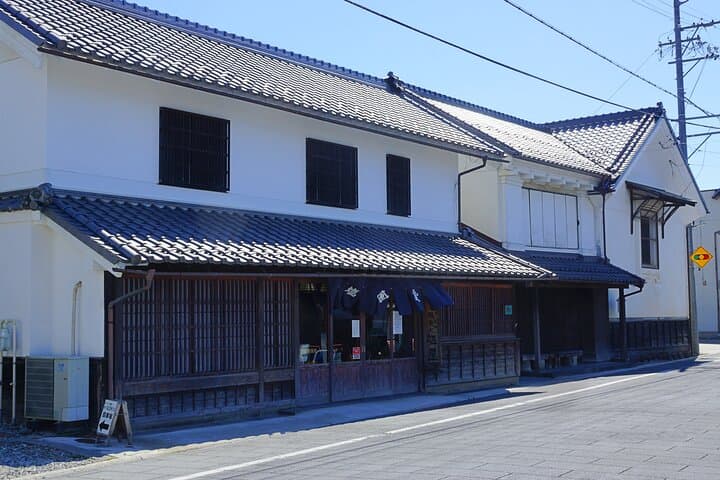
Arriving at Nagano Station, the tour threads through Obuse’s low-slung streets—where chestnut sweets and Hokusai prints anchor a small-town cultural pulse—before climbing toward Jigokudani. The monkey park sits at roughly 850 m elevation; steam from a narrow river and the natural onsen dare the wild macaques into public relaxation, a behavior shaped by the area’s volcanic geology and cold winters.
Miso production here is a living craft. A 300-year-old brewery demonstrates fermentation practices that made miso central to washoku, Japan’s traditional cuisine, linking agriculture, salt routes and regional identity.
Expect about 50 minutes of firm walking each way on the trail to the monkey viewing area, variable footing, and cooler temperatures than Nagano plain.
Practical guidance: bring layered insulation and non-slip footwear—winter can freeze the path. Photography is rewarding but keep distance and follow park rules: do not feed or touch the macaques. The hot-spring-soaking behavior is most likely in midwinter through early March; spring and summer reveal playful young and seasonal births.
Timing matters: the schedule hinges on reserved Shinkansen seats and local transport; allow buffer time for ticket pickup at Tokyo City i. If weather or animal behavior closes the park, the operator issues refunds. For a compact immersion of wildlife observation, rural cuisine and Edo-period craft, this day trip balances train efficiency with slow, close-up nature encounters.