
Snow Leopard Trek in Ladakh: 7-Day High-Altitude Wildlife Expedition
A seven-day high-altitude trek through Rumbak Valley and Hemis National Park that pairs village stays with targeted wildlife search efforts. Ideal for travelers with acclimatization time who want a guided chance to spot the region’s elusive snow leopard.
An Adventure In Leh.
A seven-day high-altitude trek through Rumbak Valley and Hemis National Park that pairs village stays with targeted wildlife search efforts. Ideal for travelers with acclimatization time who want a guided chance to spot the region’s elusive snow leopard.
Read the full experience
The first morning light over the Indus cuts through a cold, dry air that tests your layers; the ridgelines above Leh hold their quiet as you fly in, a spare landscape of wind-swept scree and folded rock. On this seven-day trek the Rumbak valley and Hemis National Park open like a cold script — juniper-scarce slopes, wide sky, and the occasional high-pasture corralling of wild bharal.
The first morning light over the Indus cuts through a cold, dry air that tests your layers; the ridgelines above Leh hold their quiet as you fly in, a spare landscape of wind-swept scree and folded rock. On this seven-day trek the Rumbak valley and Hemis National Park open like a cold script — juniper-scarce slopes, wide sky, and the occasional high-pasture corralling of wild bharal.
Geology here tells of recent uplift: the Trans-Himalayan plate piled rock into sharp passes and broad basins, creating a rain-shadow desert that channels wildlife into protected valleys. Culturally the route threads past ancient gompas — Hemis, Thiksey, Alchi — reminders of Ladakh’s Tibetan Buddhist heritage and long-standing mountain trade routes. Local homestays introduce simple hospitality: yak butter tea in the morning, storytellers who know the valley’s animal tracks.
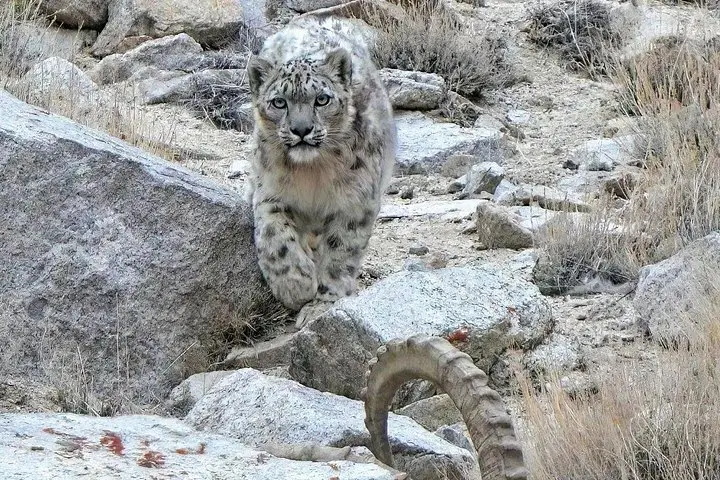
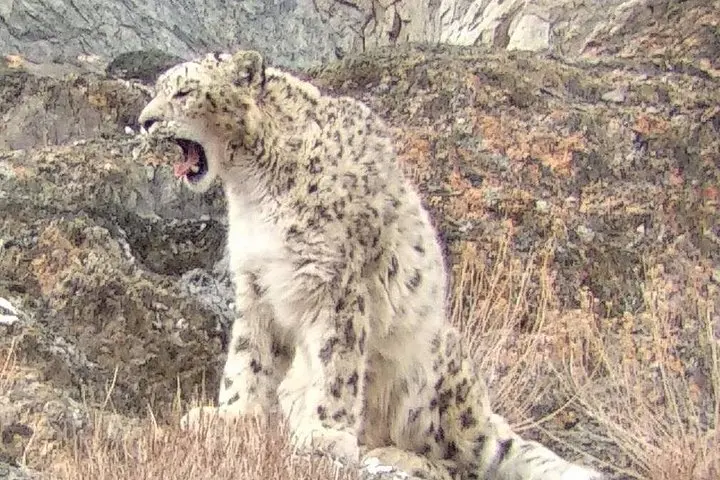
Expect short to moderate day treks from village to valley (most walking at 3,300–4,200 m), with long drives between points of interest. Snow leopards are elusive; sightings require patience, a trained naturalist, and winter visibility when animals descend to lower slopes.
Practical notes: prioritize acclimatization in Leh for 24–48 hours, carry layered insulation and strong sun protection, and plan for temperate days and sub-freezing nights. Trails are uneven, rocky, and at altitude — no technical climbing required but steady footing and basic trekking experience matter. Guides handle permits and local logistics; travelers should prepare for basic comforts in homestays and bring contingency medication for altitude. This trek balances careful planning with the raw possibility of seeing one of the planet’s rarest large cats in its high-desert domain.
Frequently asked questions
Late autumn through winter (roughly October–March) often offers higher visibility and when snow leopards move to lower valley slopes; sightings are never guaranteed.
Guides and operators typically arrange any necessary permits and park fees as part of the tour — confirm in advance and carry ID for permit processing.
The itinerary spends time in Leh for acclimatization but treks operate above 3,300 m; mild symptoms are common — hydrate, ascend slowly, and seek descent if symptoms worsen.
No technical climbing is required; the experience involves high-altitude hiking on rough terrain rather than glacier travel or ropework.
About This Experience
Active Adventures operates guided outdoor trips and adventures with an emphasis on safety, stewardship, and memorable experiences.
Adventure tips
Recommended gear
- Insulated down jacket: Critical for freezing nights and long stakeouts during early mornings.
- Sturdy trekking boots: Ankle support and grippy soles are necessary for uneven, rocky terrain.
- Layering system (base, mid, shell): Allows temperature regulation between cold mornings and sunny afternoons.
- High-SPF sunscreen and glacier sunglasses: Protects against intense UV at altitude and glare from snow or rock.
Photos of the experience
Related adventures & guides
Read the full experience
The first morning light over the Indus cuts through a cold, dry air that tests your layers; the ridgelines above Leh hold their quiet as you fly in, a spare landscape of wind-swept scree and folded rock. On this seven-day trek the Rumbak valley and Hemis National Park open like a cold script — juniper-scarce slopes, wide sky, and the occasional high-pasture corralling of wild bharal.
The first morning light over the Indus cuts through a cold, dry air that tests your layers; the ridgelines above Leh hold their quiet as you fly in, a spare landscape of wind-swept scree and folded rock. On this seven-day trek the Rumbak valley and Hemis National Park open like a cold script — juniper-scarce slopes, wide sky, and the occasional high-pasture corralling of wild bharal.
Geology here tells of recent uplift: the Trans-Himalayan plate piled rock into sharp passes and broad basins, creating a rain-shadow desert that channels wildlife into protected valleys. Culturally the route threads past ancient gompas — Hemis, Thiksey, Alchi — reminders of Ladakh’s Tibetan Buddhist heritage and long-standing mountain trade routes. Local homestays introduce simple hospitality: yak butter tea in the morning, storytellers who know the valley’s animal tracks.
Expect short to moderate day treks from village to valley (most walking at 3,300–4,200 m), with long drives between points of interest. Snow leopards are elusive; sightings require patience, a trained naturalist, and winter visibility when animals descend to lower slopes.
Practical notes: prioritize acclimatization in Leh for 24–48 hours, carry layered insulation and strong sun protection, and plan for temperate days and sub-freezing nights. Trails are uneven, rocky, and at altitude — no technical climbing required but steady footing and basic trekking experience matter. Guides handle permits and local logistics; travelers should prepare for basic comforts in homestays and bring contingency medication for altitude. This trek balances careful planning with the raw possibility of seeing one of the planet’s rarest large cats in its high-desert domain.
Make a day of it nearby.
Verified experiences and guided adventures in the surrounding area.