THE ADVENTURE COLLECTIVE® · Independent discovery and booking for outdoor travel

Float over one of the Mediterranean's most famous shipwrecks and watch a ferry become reef. This two-hour snorkel tour from Larnaca combines easy boat access, guided safety, and close-up encounters with marine life around the Zenobia wreck.
Float over one of the Mediterranean's most famous shipwrecks and watch a ferry become reef. This two-hour snorkel tour from Larnaca combines easy boat access, guided safety, and close-up encounters with marine life around the Zenobia wreck.
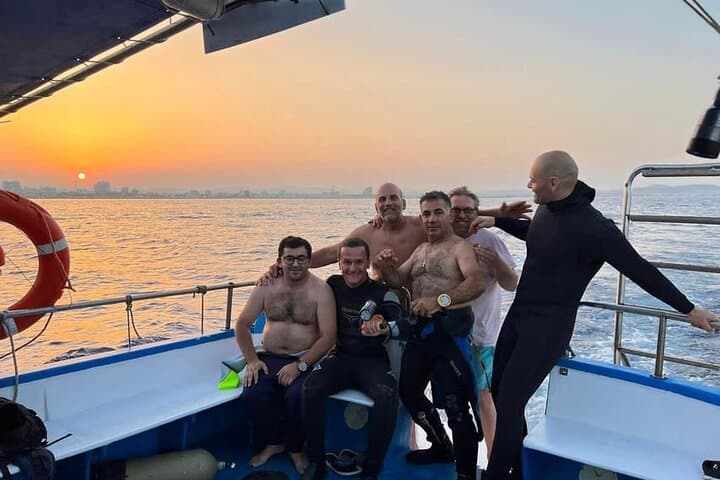
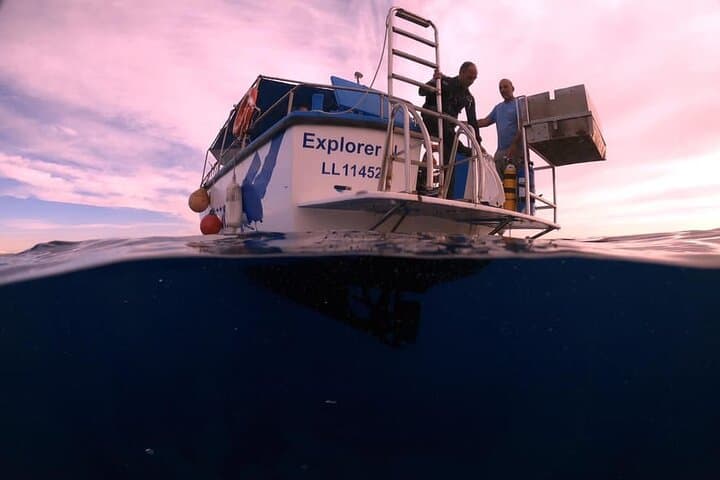
The boat eases away from Larnaca's sun-bright shore and the Mediterranean opens like a cool invitation. Waves lift the hull and, a short run later, the water darkens where the Zenobia lies — a hulking, deliberate silhouette that dares you to look beneath the surface.
Verified experiences and guided adventures in the surrounding area.
Operated by ZENOBIA DIVERS LARNAKA · Larnaca, Larnaca District
The boat eases away from Larnaca's sun-bright shore and the Mediterranean opens like a cool invitation. Waves lift the hull and, a short run later, the water darkens where the Zenobia lies — a hulking, deliberate silhouette that dares you to look beneath the surface.
The Zenobia sank in 1980 and has since become one of the eastern Mediterranean's most famous artificial reefs. Its steel decks and cargo holds now host corals, sponges and the dense schools of fish that thrive on shipwreck structure. Geologically, you snorkel over a shallow continental shelf here; visibility often exceeds 10–20 meters in calm conditions, revealing propellers, car remnants and the wreck’s exposed superstructure.
Locally, Larnaca blends seafaring history with a relaxed café culture — expect quick coffee on return and a chance to chat with crew who've watched the site evolve for decades. Culturally, the wreck is both a dive destination and a point of pride for Cypriot marine tourism.
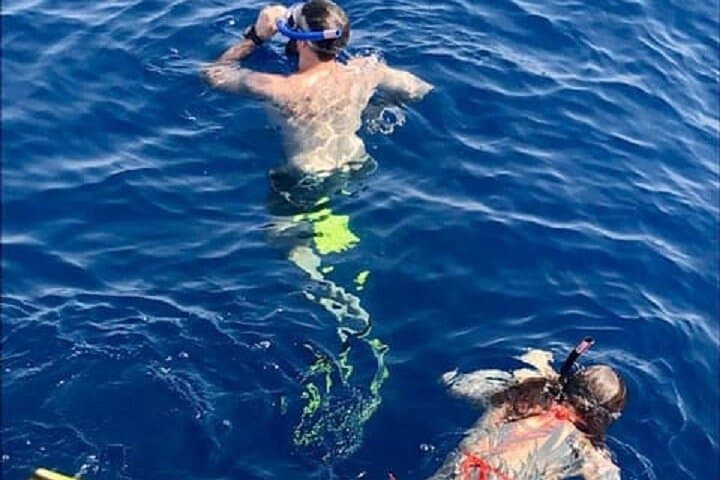
Practically: tours run about two hours and include boat transfer, gear and a brief orientation. Snorkellers see the upper parts of the wreck and surrounding reef life; strong swimmers may follow guided drift patterns to offshoots of the hull. Bring reef-safe sunscreen, stay with the guide, and keep buoyancy steady to avoid contact with delicate growth.
Currents can shift and the sea has a voice — listen, watch the guide, and let the Zenobia reveal its stories a stroke at a time.
easy.
2 hours.
Basic swimming ability and comfort in open water; low-impact but requires moderate stamina for repeated surface swims
Yes — guided group tours are designed for snorkellers with basic skills; instructors handle entry, exit and navigation around the wreck.
The Zenobia's deepest point is about 42 meters; snorkellers see the upper structure, decks and surrounding reef life from the surface or shallow dives guided by crew.
Expect schools of small reef fish, groupers, barracuda in seasons, and moray eels hiding in crevices around the wreck.
Operators typically refund for cancellations made at least 24 hours before departure; check your booking for exact terms.
The Zenobia was a Swedish ferry that sank in 1980; over decades its steelwork has become an artificial reef and a focal point for Cypriot dive tourism.
Tours operate with no-anchor drop zones and encourage no-touch, no-take practices; use reef-safe sunscreen and follow guides to reduce impact.
ZENOBIA DIVERS LARNAKA operates guided outdoor trips and adventures with an emphasis on safety, stewardship, and memorable experiences.
The boat eases away from Larnaca's sun-bright shore and the Mediterranean opens like a cool invitation. Waves lift the hull and, a short run later, the water darkens where the Zenobia lies — a hulking, deliberate silhouette that dares you to look beneath the surface.
The boat eases away from Larnaca's sun-bright shore and the Mediterranean opens like a cool invitation. Waves lift the hull and, a short run later, the water darkens where the Zenobia lies — a hulking, deliberate silhouette that dares you to look beneath the surface.
The Zenobia sank in 1980 and has since become one of the eastern Mediterranean's most famous artificial reefs. Its steel decks and cargo holds now host corals, sponges and the dense schools of fish that thrive on shipwreck structure. Geologically, you snorkel over a shallow continental shelf here; visibility often exceeds 10–20 meters in calm conditions, revealing propellers, car remnants and the wreck’s exposed superstructure.
Locally, Larnaca blends seafaring history with a relaxed café culture — expect quick coffee on return and a chance to chat with crew who've watched the site evolve for decades. Culturally, the wreck is both a dive destination and a point of pride for Cypriot marine tourism.
Practically: tours run about two hours and include boat transfer, gear and a brief orientation. Snorkellers see the upper parts of the wreck and surrounding reef life; strong swimmers may follow guided drift patterns to offshoots of the hull. Bring reef-safe sunscreen, stay with the guide, and keep buoyancy steady to avoid contact with delicate growth.
Currents can shift and the sea has a voice — listen, watch the guide, and let the Zenobia reveal its stories a stroke at a time.