THE ADVENTURE COLLECTIVE® · Independent discovery and booking for outdoor travel

Slip off the jetty at Flying Fish Cove and find coral gardens, curious reef fish, and calm snorkel sites reachable only by boat. This guided two-hour trip suits beginners and confident snorkelers alike—briefings, equipment, and local knowledge included.
Slip off the jetty at Flying Fish Cove and find coral gardens, curious reef fish, and calm snorkel sites reachable only by boat. This guided two-hour trip suits beginners and confident snorkelers alike—briefings, equipment, and local knowledge included.
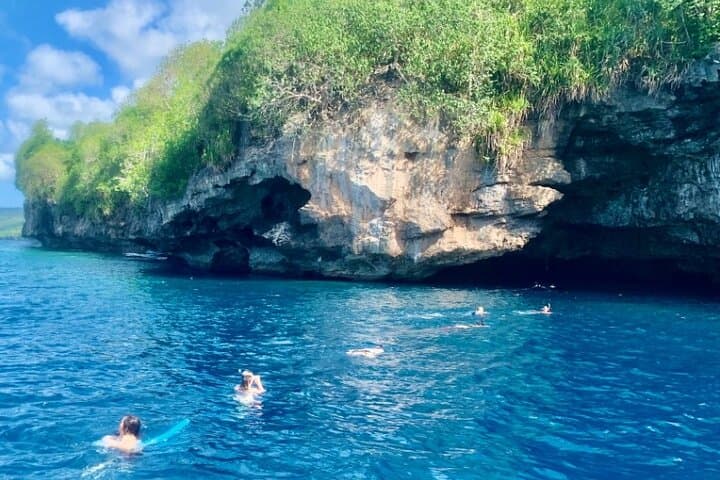
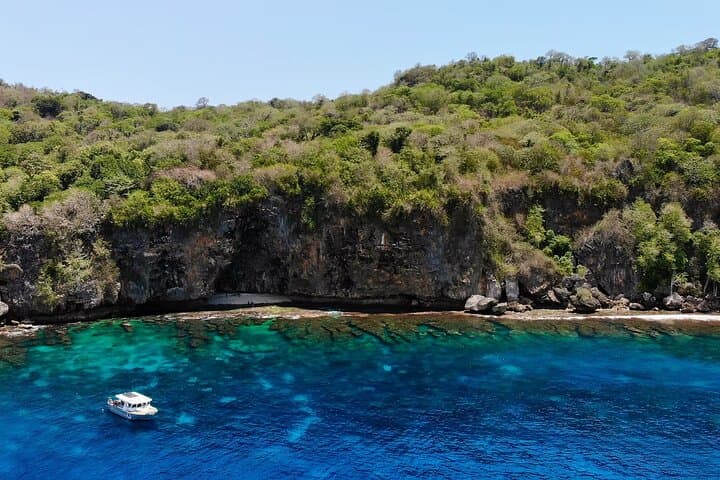
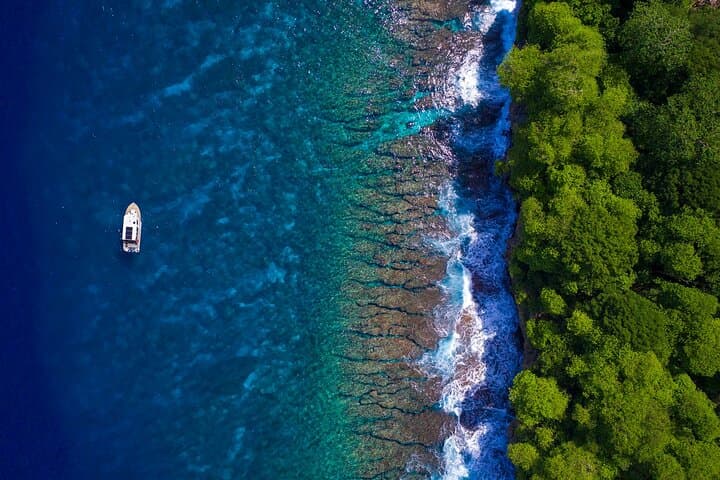
The boat slips off the end of the jetty and Flying Fish Cove opens like a page in a traveler's log: water the color of iron lantern glass, seabirds working the swell, and a low, volcanic coastline that keeps its own counsel. Guides move with practiced calm, fitting masks and adjusting fins, while the engine thins into a hush and the ocean begins to speak in clicks and soft surf. Two snorkel stops in a two-hour run—enough to meet anemones that sway like small crowds and fish that weave through coral columns—are the promise, and the island rarely disappoints.
Verified experiences and guided adventures in the surrounding area.
Operated by Extra Divers Australia · Flying Fish Cove, Christmas Island
The boat slips off the end of the jetty and Flying Fish Cove opens like a page in a traveler's log: water the color of iron lantern glass, seabirds working the swell, and a low, volcanic coastline that keeps its own counsel. Guides move with practiced calm, fitting masks and adjusting fins, while the engine thins into a hush and the ocean begins to speak in clicks and soft surf. Two snorkel stops in a two-hour run—enough to meet anemones that sway like small crowds and fish that weave through coral columns—are the promise, and the island rarely disappoints.
Christmas Island sits on an isolated seamount at the edge of the Indonesian-Australian Plate boundary. Geological forces created a coral-backed fringe around an ancient volcanic base; the result is steep drop-offs and coral bommies that host dense reef life. Human history threads through the island too: Malay and Chinese laborers, phosphate miners, and the distinct multicultural town of Flying Fish Cove — a compact, working harbor where local stories are as common as the reef fish.
Culturally, the island's rhythms are maritime. Fishing, small-boat work, and seasonal crab migrations shape daily life; guides are often local fishers who know currents and hiding spots the charts don't show. Conservation has become central here: reef collaring projects, restricted zones, and reef-safe sunscreen recommendations aim to keep the fringing reef healthy for decades of snorkelers and fish alike.
Practicalities are straightforward but important. Meet 15 minutes before departure at the Jetty end in Flying Fish Cove; the operator provides mask, snorkel, and fins and runs short, clear briefings for novices. The trip usually hits two sheltered sites—ideal for swimmers with basic snorkel skills—and allows non-swimmers to stay aboard and watch seabirds or chat with the crew. Guides can assist anyone with limited mobility, but you must be able to get in and out of the water independently.
Expect light swell and variable wind; morning departures typically offer the calmest water and best visibility. Bring a rash guard or thin wetsuit for sun and chafe protection, reef-safe sunscreen, and a waterproof camera or housing—colors are richest in the first hour after sunrise and again late afternoon when the light slants across bommies.
Safety notes: disclose any medical issues, hydrate before boarding, tie long hair back, and avoid touching coral. If conditions change, the operator will alter meeting points or cancel with advance notice; the policy is to prioritize safety and reef protection. Two hours here gives a concentrated, attentive snapshot of Christmas Island’s underwater life—a compact adventure that leaves you wet, wide-eyed, and keen to return.
moderate.
2 hours.
Moderate fitness; able to swim and enter/exit water independently
No—certified guides provide instruction and assistance; however, you must be able to swim and manage getting in and out of the water independently.
Yes—mask, snorkel and fins are supplied and fitted by the crew.
Trips are canceled for safety in poor conditions; you can reschedule or receive a full refund if canceled at least 24 hours prior.
Yes—non-swimmers are welcome to remain on board to relax, bird‑watch, or chat with the crew.
Guides can assist many travelers but participants must be able to enter and exit the water with some independence; disclose needs during booking.
Turtles are common around fringing reef areas; sightings of larger animals like manta rays are possible but not guaranteed on each trip.
Christmas Island’s settlement followed phosphate mining in the late 19th and 20th centuries; Flying Fish Cove grew as the island’s working harbor and social center.
Local operators follow reef protection guidelines and encourage reef‑safe sunscreen and no‑touch policies; support reef surveys and respect marine park boundaries.
Extra Divers Australia operates guided outdoor trips and adventures with an emphasis on safety, stewardship, and memorable experiences.
The boat slips off the end of the jetty and Flying Fish Cove opens like a page in a traveler's log: water the color of iron lantern glass, seabirds working the swell, and a low, volcanic coastline that keeps its own counsel. Guides move with practiced calm, fitting masks and adjusting fins, while the engine thins into a hush and the ocean begins to speak in clicks and soft surf. Two snorkel stops in a two-hour run—enough to meet anemones that sway like small crowds and fish that weave through coral columns—are the promise, and the island rarely disappoints.
The boat slips off the end of the jetty and Flying Fish Cove opens like a page in a traveler's log: water the color of iron lantern glass, seabirds working the swell, and a low, volcanic coastline that keeps its own counsel. Guides move with practiced calm, fitting masks and adjusting fins, while the engine thins into a hush and the ocean begins to speak in clicks and soft surf. Two snorkel stops in a two-hour run—enough to meet anemones that sway like small crowds and fish that weave through coral columns—are the promise, and the island rarely disappoints.
Christmas Island sits on an isolated seamount at the edge of the Indonesian-Australian Plate boundary. Geological forces created a coral-backed fringe around an ancient volcanic base; the result is steep drop-offs and coral bommies that host dense reef life. Human history threads through the island too: Malay and Chinese laborers, phosphate miners, and the distinct multicultural town of Flying Fish Cove — a compact, working harbor where local stories are as common as the reef fish.
Culturally, the island's rhythms are maritime. Fishing, small-boat work, and seasonal crab migrations shape daily life; guides are often local fishers who know currents and hiding spots the charts don't show. Conservation has become central here: reef collaring projects, restricted zones, and reef-safe sunscreen recommendations aim to keep the fringing reef healthy for decades of snorkelers and fish alike.
Practicalities are straightforward but important. Meet 15 minutes before departure at the Jetty end in Flying Fish Cove; the operator provides mask, snorkel, and fins and runs short, clear briefings for novices. The trip usually hits two sheltered sites—ideal for swimmers with basic snorkel skills—and allows non-swimmers to stay aboard and watch seabirds or chat with the crew. Guides can assist anyone with limited mobility, but you must be able to get in and out of the water independently.
Expect light swell and variable wind; morning departures typically offer the calmest water and best visibility. Bring a rash guard or thin wetsuit for sun and chafe protection, reef-safe sunscreen, and a waterproof camera or housing—colors are richest in the first hour after sunrise and again late afternoon when the light slants across bommies.
Safety notes: disclose any medical issues, hydrate before boarding, tie long hair back, and avoid touching coral. If conditions change, the operator will alter meeting points or cancel with advance notice; the policy is to prioritize safety and reef protection. Two hours here gives a concentrated, attentive snapshot of Christmas Island’s underwater life—a compact adventure that leaves you wet, wide-eyed, and keen to return.