THE ADVENTURE COLLECTIVE® · Independent discovery and booking for outdoor travel

Float beneath shafts of light and through freshwater caverns on a two-cenote snorkeling tour from Playa del Carmen. This five-hour trip pairs calm open-air pools with cavern swims, blending natural history with practical guidance for first-time cenote snorkelers.
Float beneath shafts of light and through freshwater caverns on a two-cenote snorkeling tour from Playa del Carmen. This five-hour trip pairs calm open-air pools with cavern swims, blending natural history with practical guidance for first-time cenote snorkelers.
The limestone opens like a pocket in the jungle and light pours through a round roof, turning the water a color that seems invented for swimming. You step down wooden planks, the air cool and mineral-sweet, and the cenote receives you—the surface glassy, the walls dripping with fern and calcite. In one cavern the water is cathedral-quiet; in the next, an open sinkhole trades sunlight and sky for fractured shadows where fish cut through beams.
Verified experiences and guided adventures in the surrounding area.
Operated by Diversland Mexico · Playa del Carmen, Quintana Roo
The limestone opens like a pocket in the jungle and light pours through a round roof, turning the water a color that seems invented for swimming. You step down wooden planks, the air cool and mineral-sweet, and the cenote receives you—the surface glassy, the walls dripping with fern and calcite. In one cavern the water is cathedral-quiet; in the next, an open sinkhole trades sunlight and sky for fractured shadows where fish cut through beams.
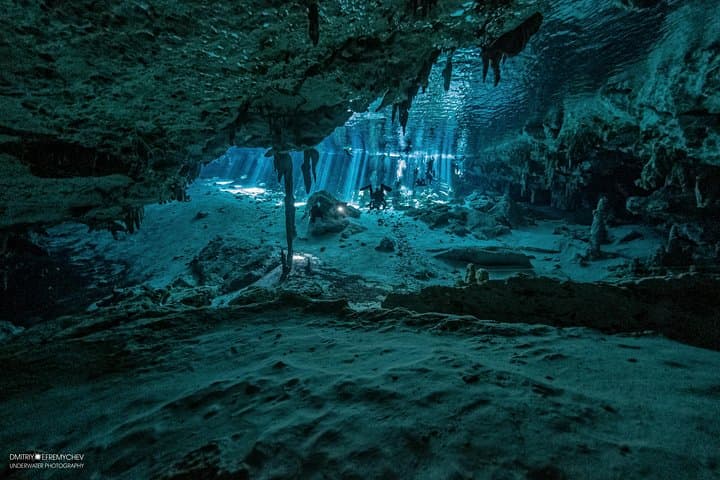
Cenotes are windows into the Yucatán’s buried rivers. For millennia these sinkholes provided fresh water to Maya cities and were sites of ritual. Geologically they form where acidic rain dissolved porous limestone until the roof collapsed, revealing subterranean caverns and tunnels. Each cenote tells a chapter of that process: scalloped walls, submerged stalactites, and channels that dare you to follow them with only a snorkel and a pulse of curiosity.
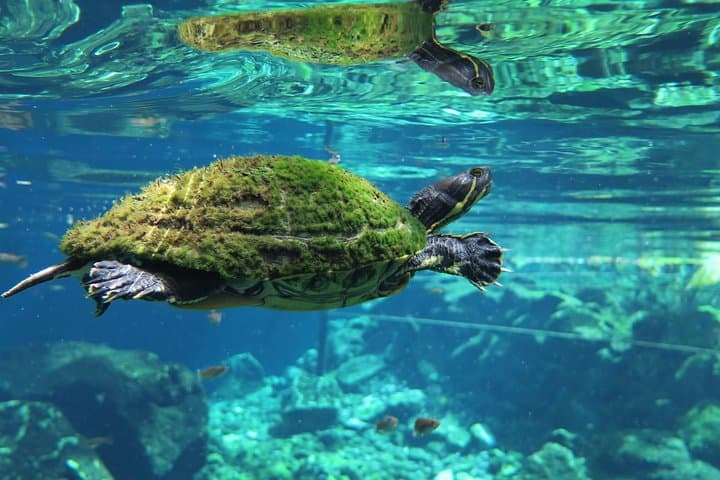
The cultural layer is as present as the water. Guides on local tours typically begin with a short historical introduction about Maya practices and the cenote’s role in regional survival, framing the swim as both natural spectacle and living heritage. Wildlife is subtle—small fish, freshwater crabs, and the occasional turtle glide between roots and rocks; croc sightings are extremely rare but possible in remote systems.
Practically speaking, this two-cenote tour from Playa del Carmen runs about five hours and is designed for mixed abilities—no technical cave-diving required, but comfortable swimming and basic snorkeling skills are necessary. Wear water shoes for rocky approaches and a well-fitting mask for longer surface time. Avoid regular sunscreens; they cloud the water and harm aquatic life—use reef-safe formulas only, applied before arrival. Bring a towel, a dry change of clothes, and a waterproof camera or case; the best photos come at midday when shafts of light make the water glow.
Timing matters: mornings are calmest, midday gives dramatic light, and afternoons deliver softer temperature and fewer crowds. Guides provide full equipment, bottled water, and snacks, and most operators include hotel pickup in Playa del Carmen. Respect marked areas and follow your guide—some cenote rims are fragile and the underwater formations are nonrenewable.
When you surface, the jungle will seem louder, as if the trees applaud your small plunge into a much older world. The memory that stays is not just the clarity of the water but the sense of moving through a place where geology, history, and life press close together—invitations to be careful, curious, and quietly awed.
moderate.
5 hours.
Suitable for people comfortable swimming short distances and treading water; basic snorkeling stamina required.
Minimum age is 10 years; participants should be able to swim and follow guide instructions.
Yes—hotel pickup and drop-off are included for hotels in Playa del Carmen; confirm pickup time when booking.
Non-swimmers should inform the operator; life jackets are typically provided but basic swimming comfort is recommended.
Turtles and small freshwater fish are common; crocodiles are rare in popular tour cenotes but more possible in remote systems—guides will brief you on wildlife protocols.
Bring a towel, dry clothes, biodegradable sunscreen, water shoes, and a waterproof camera case; guides supply masks, snorkels, and bottled water.
Water typically ranges 24–27°C (75–81°F) with excellent visibility—often exceeding 10 meters in open cenotes and slightly reduced inside caverns.
Cenotes were vital to Maya communities for water and ritual offerings; many sites nearby contain archaeological evidence and local stories tied to those practices.
Operators encourage reef-safe sunscreen, no-touch policies on formations, and limited group sizes to reduce impact—respect guide instructions to protect these fragile systems.
Diversland Mexico operates guided outdoor trips and adventures with an emphasis on safety, stewardship, and memorable experiences.
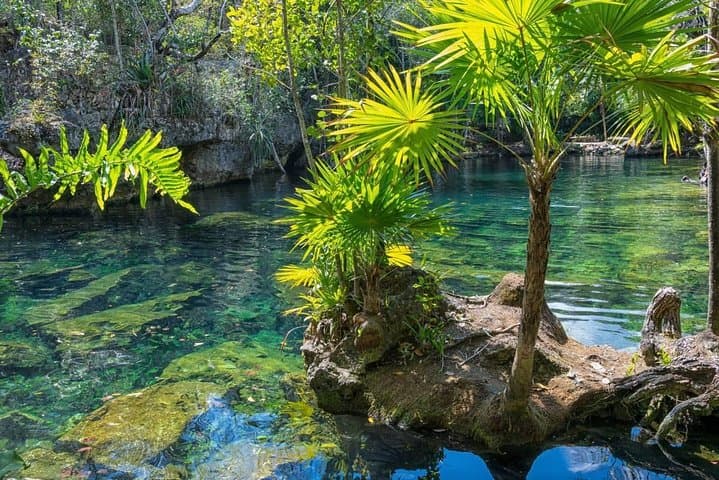
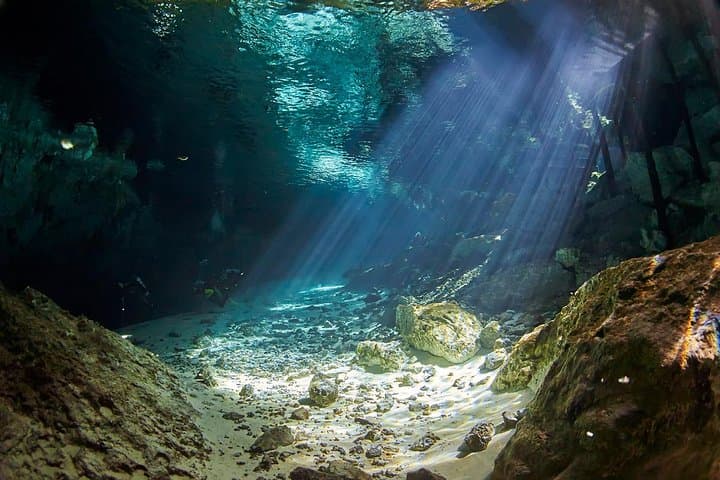
The limestone opens like a pocket in the jungle and light pours through a round roof, turning the water a color that seems invented for swimming. You step down wooden planks, the air cool and mineral-sweet, and the cenote receives you—the surface glassy, the walls dripping with fern and calcite. In one cavern the water is cathedral-quiet; in the next, an open sinkhole trades sunlight and sky for fractured shadows where fish cut through beams.
The limestone opens like a pocket in the jungle and light pours through a round roof, turning the water a color that seems invented for swimming. You step down wooden planks, the air cool and mineral-sweet, and the cenote receives you—the surface glassy, the walls dripping with fern and calcite. In one cavern the water is cathedral-quiet; in the next, an open sinkhole trades sunlight and sky for fractured shadows where fish cut through beams.
Cenotes are windows into the Yucatán’s buried rivers. For millennia these sinkholes provided fresh water to Maya cities and were sites of ritual. Geologically they form where acidic rain dissolved porous limestone until the roof collapsed, revealing subterranean caverns and tunnels. Each cenote tells a chapter of that process: scalloped walls, submerged stalactites, and channels that dare you to follow them with only a snorkel and a pulse of curiosity.
The cultural layer is as present as the water. Guides on local tours typically begin with a short historical introduction about Maya practices and the cenote’s role in regional survival, framing the swim as both natural spectacle and living heritage. Wildlife is subtle—small fish, freshwater crabs, and the occasional turtle glide between roots and rocks; croc sightings are extremely rare but possible in remote systems.
Practically speaking, this two-cenote tour from Playa del Carmen runs about five hours and is designed for mixed abilities—no technical cave-diving required, but comfortable swimming and basic snorkeling skills are necessary. Wear water shoes for rocky approaches and a well-fitting mask for longer surface time. Avoid regular sunscreens; they cloud the water and harm aquatic life—use reef-safe formulas only, applied before arrival. Bring a towel, a dry change of clothes, and a waterproof camera or case; the best photos come at midday when shafts of light make the water glow.
Timing matters: mornings are calmest, midday gives dramatic light, and afternoons deliver softer temperature and fewer crowds. Guides provide full equipment, bottled water, and snacks, and most operators include hotel pickup in Playa del Carmen. Respect marked areas and follow your guide—some cenote rims are fragile and the underwater formations are nonrenewable.
When you surface, the jungle will seem louder, as if the trees applaud your small plunge into a much older world. The memory that stays is not just the clarity of the water but the sense of moving through a place where geology, history, and life press close together—invitations to be careful, curious, and quietly awed.