THE ADVENTURE COLLECTIVE® · Independent discovery and booking for outdoor travel

Float over volcanic ledges and kelp beds in Terceira’s protected marine zones, where clear water and healthy reefs bring turtles, wrasse, and schools of pelagic fish into view. This two-hour guided snorkel suits confident swimmers and focuses on low-impact wildlife encounters.
Float over volcanic ledges and kelp beds in Terceira’s protected marine zones, where clear water and healthy reefs bring turtles, wrasse, and schools of pelagic fish into view. This two-hour guided snorkel suits confident swimmers and focuses on low-impact wildlife encounters.
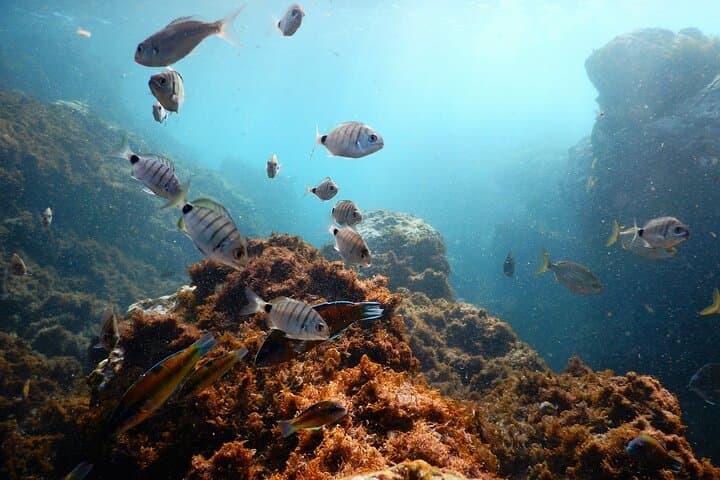
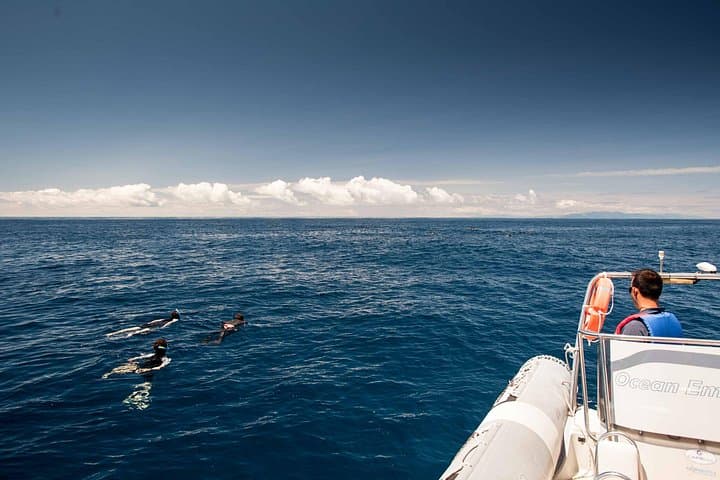
You step off the boat into water so clear the basalt outcrops below look like islands of shadow—cold, bright, and alive. The current tugs at your fins like a curious guide while razorfish and curious wrasse orbit the rocks; sunlight threads down through the swell and pins schools of silver into shimmering curtains.
Verified experiences and guided adventures in the surrounding area.
Operated by OceanEmotion · Angra do Heroísmo, Azores
You step off the boat into water so clear the basalt outcrops below look like islands of shadow—cold, bright, and alive. The current tugs at your fins like a curious guide while razorfish and curious wrasse orbit the rocks; sunlight threads down through the swell and pins schools of silver into shimmering curtains.
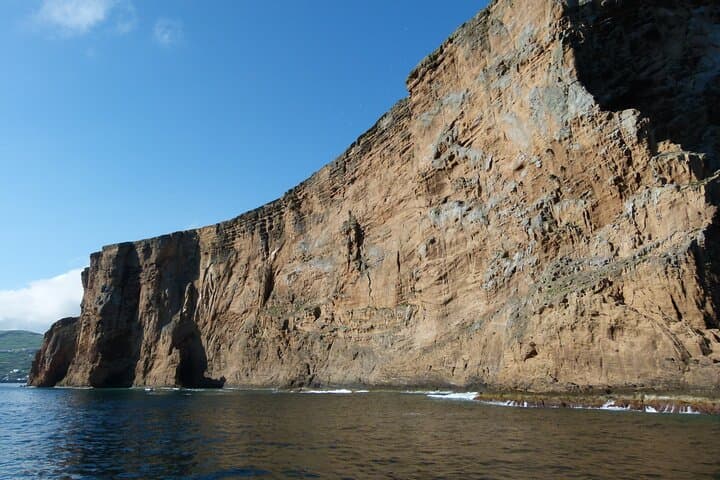
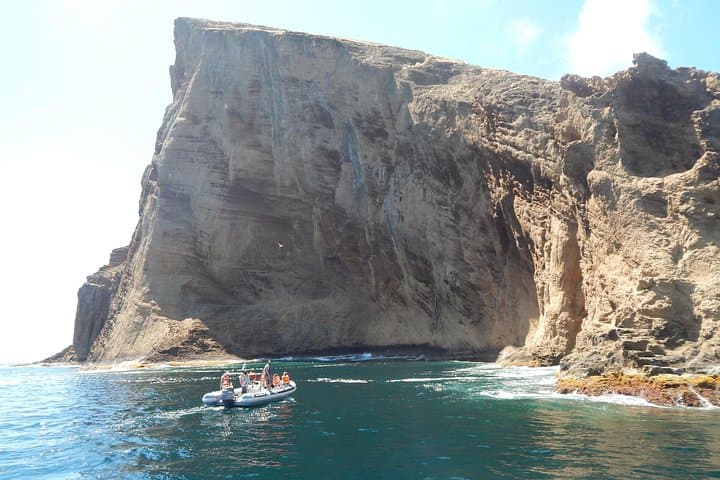
Terceira sits on young volcanic crust in the middle of the North Atlantic. The island’s sheltered coves and submerged lava formations create reefs and swim-throughs where endemic species thrive. Historically these waters supported local fishermen and small whaling crews; today much of the best snorkeling happens inside designated protected areas where fishing is limited and biodiversity rebounds.
Expect jagged volcanic ledges, kelp beds, and isolated boulder gardens rather than long sandy beaches. The experience emphasizes wildlife observation: look for sea bream, occasional loggerhead turtles, and the quick flashes of pelagic fish on the fringes. Guides brief you on buoyancy, safe distances, and how to move over fragile rock without contact.
Practical tips: bring a well-fitting mask (many operators provide gear but personal fit matters), apply reef-safe sunscreen before arrival, and wear a wetsuit for comfort—waters are cool even in summer. Tours typically run about two hours and suit confident swimmers with moderate fitness. Weather and swell dictate exact entry sites; operators cancel in rough conditions for safety.
For a focused, low-impact marine encounter, plan morning departures when the sea is calmest, travel light, and let the Atlantic do the telling—its currents do much of the guiding.
moderate.
2 hours.
Moderate—comfortable swimming ability and basic snorkeling experience recommended
Yes—operators supply full snorkeling equipment and a wetsuit, but many travelers prefer to bring a personal mask for fit and hygiene.
Participants should have moderate fitness and be comfortable swimming in open water; guides choose calm sites but some surface swimming is required.
Loggerhead turtles and occasional dolphin sightings are possible but not guaranteed—protected areas increase wildlife density, improving odds.
Tours may be canceled for safety due to swell or wind; operators usually offer a full refund if canceled at least 24 hours before departure or reschedule when possible.
Terceira’s marine landscape formed from volcanic eruptions and longshore sculpting; historically the sea supported local fisheries and seasonal whaling before conservation shifted focus to protection.
Many snorkeling sites sit inside protected areas—respect signage, avoid touching the bottom or wildlife, and use reef-safe products to minimize impact.
OceanEmotion operates guided outdoor trips and adventures with an emphasis on safety, stewardship, and memorable experiences.
You step off the boat into water so clear the basalt outcrops below look like islands of shadow—cold, bright, and alive. The current tugs at your fins like a curious guide while razorfish and curious wrasse orbit the rocks; sunlight threads down through the swell and pins schools of silver into shimmering curtains.
You step off the boat into water so clear the basalt outcrops below look like islands of shadow—cold, bright, and alive. The current tugs at your fins like a curious guide while razorfish and curious wrasse orbit the rocks; sunlight threads down through the swell and pins schools of silver into shimmering curtains.
Terceira sits on young volcanic crust in the middle of the North Atlantic. The island’s sheltered coves and submerged lava formations create reefs and swim-throughs where endemic species thrive. Historically these waters supported local fishermen and small whaling crews; today much of the best snorkeling happens inside designated protected areas where fishing is limited and biodiversity rebounds.
Expect jagged volcanic ledges, kelp beds, and isolated boulder gardens rather than long sandy beaches. The experience emphasizes wildlife observation: look for sea bream, occasional loggerhead turtles, and the quick flashes of pelagic fish on the fringes. Guides brief you on buoyancy, safe distances, and how to move over fragile rock without contact.
Practical tips: bring a well-fitting mask (many operators provide gear but personal fit matters), apply reef-safe sunscreen before arrival, and wear a wetsuit for comfort—waters are cool even in summer. Tours typically run about two hours and suit confident swimmers with moderate fitness. Weather and swell dictate exact entry sites; operators cancel in rough conditions for safety.
For a focused, low-impact marine encounter, plan morning departures when the sea is calmest, travel light, and let the Atlantic do the telling—its currents do much of the guiding.