THE ADVENTURE COLLECTIVE® · Independent discovery and booking for outdoor travel

Explore the protected waters off Tavolara on a guided half-day snorkel: visit the Crixus wreck, float through Molara’s natural pools and swim at the white sand of Punta Spalmatore. Guides supply gear and local knowledge for a safe, wildlife-rich outing.
Explore the protected waters off Tavolara on a guided half-day snorkel: visit the Crixus wreck, float through Molara’s natural pools and swim at the white sand of Punta Spalmatore. Guides supply gear and local knowledge for a safe, wildlife-rich outing.
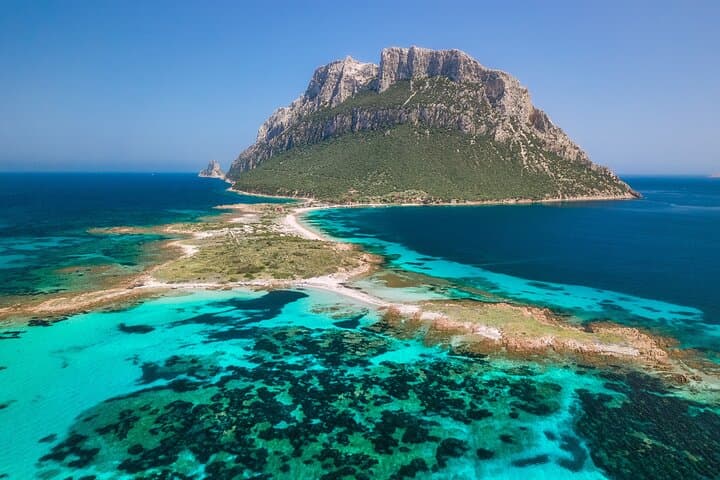
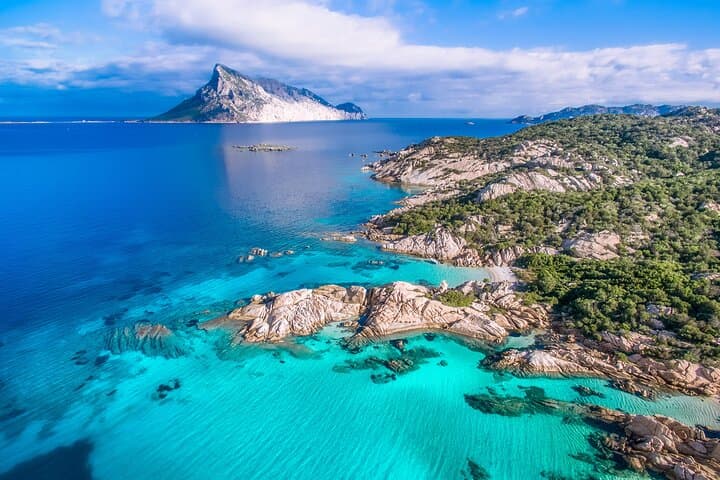
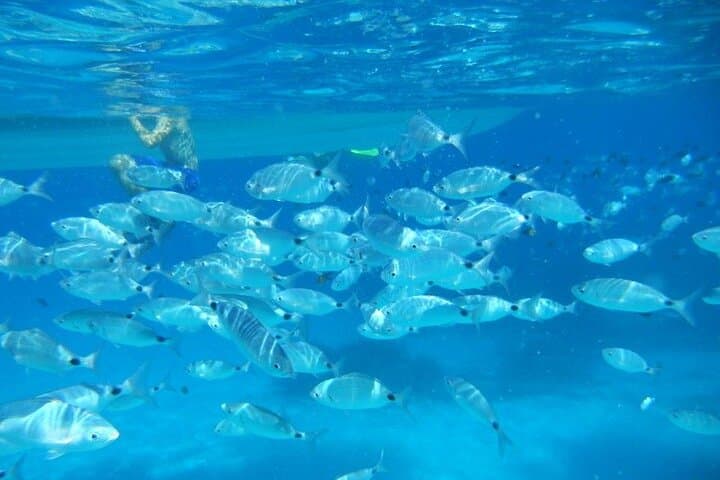
The boat slips away from Porto San Paolo and the sea opens into a blinding blue — Tavolara’s limestone flank cuts a clean profile against the sky as guides brief the group. Salt-slick wind pushes you toward Molara’s shallow natural pools, where the hull settles and fins meet water. Under the surface, schools of wrasse and bream fan through sun-stitched columns; the wreck of the Crixus sits like a quiet ruin attracting curious fish.
Verified experiences and guided adventures in the surrounding area.
Operated by DST- Diving & Snorkelling Team Sardegna · Porto San Paolo, Sardinia
The boat slips away from Porto San Paolo and the sea opens into a blinding blue — Tavolara’s limestone flank cuts a clean profile against the sky as guides brief the group. Salt-slick wind pushes you toward Molara’s shallow natural pools, where the hull settles and fins meet water. Under the surface, schools of wrasse and bream fan through sun-stitched columns; the wreck of the Crixus sits like a quiet ruin attracting curious fish.
The stretch between Tavolara and Capo Coda Cavallo has long been a working coastline — shepherded by local fishermen and now protected to preserve its underwater habitats. Geology here is mostly Triassic limestone; sheer cliffs rise from deep water and drop to wide seagrass meadows that support spawning fish. Cultural ties to the sea remain strong in Porto San Paolo and Olbia, where seafood markets and small boatyards reflect a maritime life.
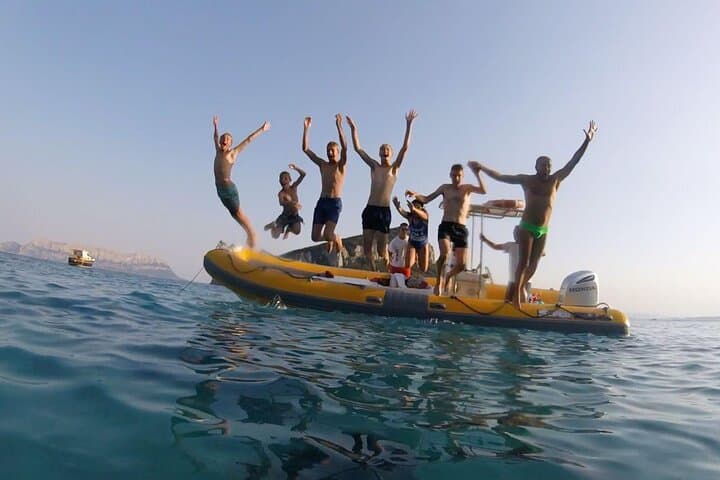
Practically, expect a half-day outing: boat transfers, two swim stops (Molara pools and Punta Spalmatore), guided snorkel time and basic refreshments. Conditions are usually calm in summer; spring and fall can bring chop and cooler water. Guides provide masks, fins and flotation vests; bring a reef-safe sunscreen, a thin wetsuit if you’re temperature-sensitive, and a waterproof pouch for essentials. Stay aware of the protected-area rules — avoid collecting or touching marine life and follow your guide’s entry and exit instructions. Timing your trip for morning light makes the wreck and seagrass glow, and keeping a relaxed cadence in the water makes it easier to spot shy creatures like octopus and wrasse. This is a straightforward, high-reward marine outing for anyone comfortable in open water.
easy.
4 hours.
Suitable for light fitness levels; swimmers should be comfortable in open water and able to snorkel for repeated 20–30 minute intervals.
No advanced experience is required; guides brief basic techniques and flotation vests are provided, but you should be comfortable in open water.
Most tours depart from Porto San Paolo and last about four hours, including boat transfers and two guided swim stops.
Yes — masks, fins and flotation vests are provided by the operator; bringing your own mask can improve fit and comfort.
Yes — touching or collecting marine life is prohibited, and you should avoid anchoring on seagrass meadows; follow guide instructions and MPA signage.
The stretch of coast from Tavolara to Capo Coda Cavallo has long been used by local fishing communities; protective measures now safeguard traditional fisheries and diverse marine habitats.
Tours operate within an MPA with rules to reduce impact — avoid feeding fish, don’t collect shells and use reef-safe products to help preserve seagrass and reef communities.
DST- Diving & Snorkelling Team Sardegna operates guided outdoor trips and adventures with an emphasis on safety, stewardship, and memorable experiences.
The boat slips away from Porto San Paolo and the sea opens into a blinding blue — Tavolara’s limestone flank cuts a clean profile against the sky as guides brief the group. Salt-slick wind pushes you toward Molara’s shallow natural pools, where the hull settles and fins meet water. Under the surface, schools of wrasse and bream fan through sun-stitched columns; the wreck of the Crixus sits like a quiet ruin attracting curious fish.
The boat slips away from Porto San Paolo and the sea opens into a blinding blue — Tavolara’s limestone flank cuts a clean profile against the sky as guides brief the group. Salt-slick wind pushes you toward Molara’s shallow natural pools, where the hull settles and fins meet water. Under the surface, schools of wrasse and bream fan through sun-stitched columns; the wreck of the Crixus sits like a quiet ruin attracting curious fish.
The stretch between Tavolara and Capo Coda Cavallo has long been a working coastline — shepherded by local fishermen and now protected to preserve its underwater habitats. Geology here is mostly Triassic limestone; sheer cliffs rise from deep water and drop to wide seagrass meadows that support spawning fish. Cultural ties to the sea remain strong in Porto San Paolo and Olbia, where seafood markets and small boatyards reflect a maritime life.
Practically, expect a half-day outing: boat transfers, two swim stops (Molara pools and Punta Spalmatore), guided snorkel time and basic refreshments. Conditions are usually calm in summer; spring and fall can bring chop and cooler water. Guides provide masks, fins and flotation vests; bring a reef-safe sunscreen, a thin wetsuit if you’re temperature-sensitive, and a waterproof pouch for essentials. Stay aware of the protected-area rules — avoid collecting or touching marine life and follow your guide’s entry and exit instructions. Timing your trip for morning light makes the wreck and seagrass glow, and keeping a relaxed cadence in the water makes it easier to spot shy creatures like octopus and wrasse. This is a straightforward, high-reward marine outing for anyone comfortable in open water.