THE ADVENTURE COLLECTIVE® · Independent discovery and booking for outdoor travel

Step off Mirissa’s sand and into the company of dolphins, turtles and offshore life on a four‑hour snorkel safari. This practical guide explains what to expect, how to prepare, and how to enjoy a responsible encounter with Sri Lanka’s southern seas.
Step off Mirissa’s sand and into the company of dolphins, turtles and offshore life on a four‑hour snorkel safari. This practical guide explains what to expect, how to prepare, and how to enjoy a responsible encounter with Sri Lanka’s southern seas.
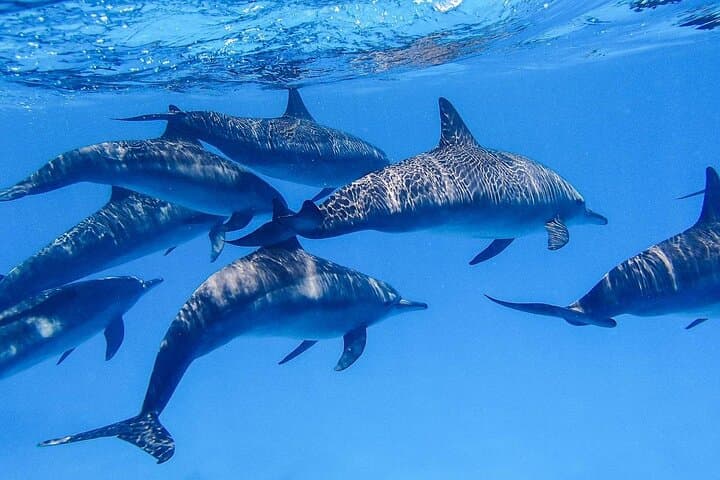
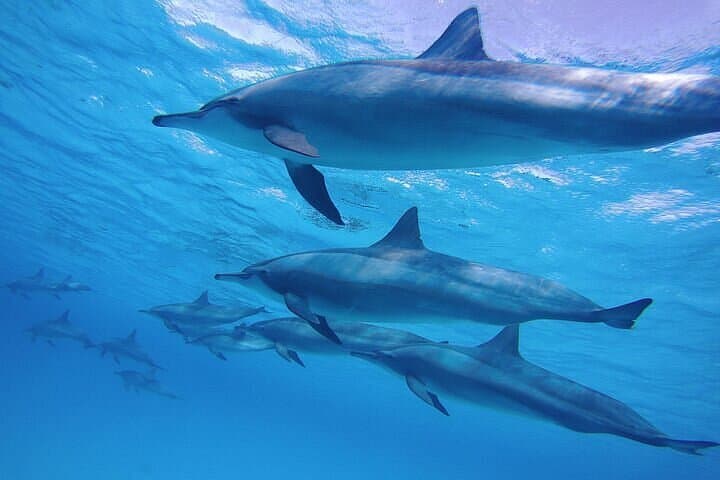
The sun punches through high cloud as the launch skims away from Mirissa’s crescent beach, the boat’s bow parting water that seems to dare you forward. Within minutes the shoreline thins to a low ribbon of palms and fishermen’s nets; the blue beyond opens—deeper, warmer, alive. Guides scan the horizon, eyes trained to pick out the arcing spray of dolphins or the slow breathing wake of a turtle. When the engine idles and the crew gestures, the sea becomes immediate: a cool, buoyant world where coral bommies sit like forgotten walls and reef fish flare in sudden color.
Verified experiences and guided adventures in the surrounding area.
Operated by ZRI Adventures · Mirissa, Southern Province
The sun punches through high cloud as the launch skims away from Mirissa’s crescent beach, the boat’s bow parting water that seems to dare you forward. Within minutes the shoreline thins to a low ribbon of palms and fishermen’s nets; the blue beyond opens—deeper, warmer, alive. Guides scan the horizon, eyes trained to pick out the arcing spray of dolphins or the slow breathing wake of a turtle. When the engine idles and the crew gestures, the sea becomes immediate: a cool, buoyant world where coral bommies sit like forgotten walls and reef fish flare in sudden color.
Coastal Mirissa sits on Sri Lanka’s southern shelf, carved from ancient coral and limestone and sculpted by Indian Ocean swells. The area’s marine richness has fed local villages for generations; today that legacy is tempered by tourism and a growing focus on responsible wildlife encounters. Whale and dolphin-watching took off here in the late 20th century as scientific interest and visitor demand converged—now small operators run morning safaris timed to calm seas and the animals’ feeding patterns.
Geology shows up in the water’s palette: shallow turquoise where sand and reef meet, deep indigo where the continental shelf drops off and larger pelagics roam. Cultural notes are close at hand: fishermen mend nets on the beach at dawn, and nearby cafés serve fresh tuna sambol and king coconut water that hits like a reset after salt and sun.
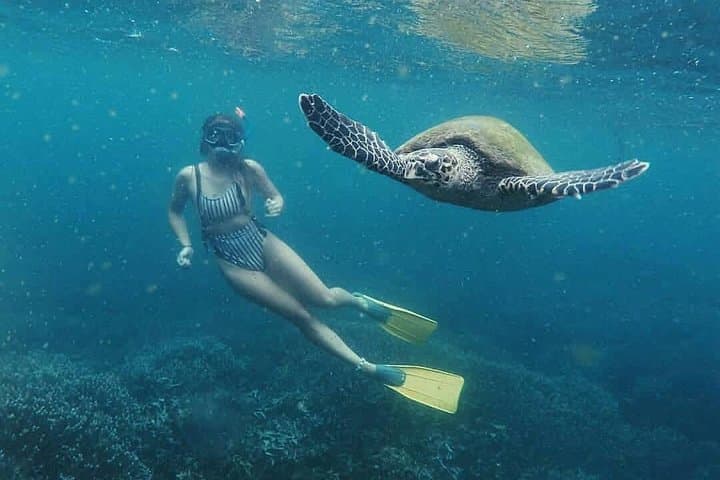
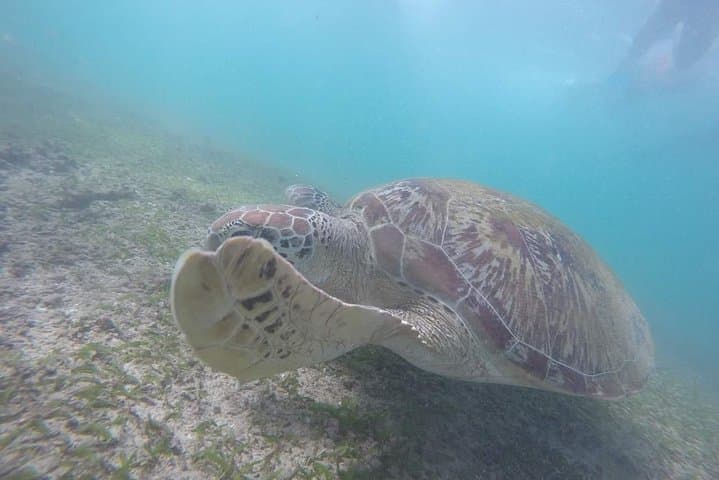
Practicalities matter. Tours typically run four hours and include snorkel gear and light snacks; operators coordinate pickup by hotel or WhatsApp. Expect short runs to multiple sites—shallow reefs for turtles, deeper blue for dolphin pods, and, seasonally, a chance of spotting migrating whales. Sea conditions change fast: mornings are usually the calmest, and captains time departures to maximize wildlife encounters and reduce seasickness risk.
For first-time snorkelers, basic breathing practice in shallows is advised. Wear a swim shirt, reef-safe sunscreen, and a mask that seals—salt and spray will test cheap gear. Bring motion-sickness medication if you’re prone to nausea and lock valuables in your hotel; pockets on small boats aren’t safe.
Respect the animals: don’t chase turtles or swim directly at dolphin pods; let the guides set approach distances. Operators cancel in rough weather, and responsible groups brief guests on reef-safe behavior. When conditions align—calm sea, bright light, an inquisitive turtle sliding beneath you—the safari delivers an uncomplicated, intimate glimpse of life beneath Mirissa’s surface.
easy.
4 hours.
Suitable for most fitness levels; you should be comfortable swimming short distances and treading water.
The activity is about four hours total, including transit to multiple sites and time in the water.
Sightings are common but not guaranteed; captains choose productive sites, and season and weather affect encounters.
Yes—snorkel, mask and life vests are provided; many guests bring their own mask for fit and comfort.
Operators welcome families; children should be comfortable in water and often wear life vests—check age restrictions when booking.
Tours are typically cancelled for safety; you’ll receive a full refund if cancelled at least 24 hours ahead under the operator’s policy.
Most companies coordinate hotel pickup by WhatsApp or meet at a central Mirissa point—confirm pickup time on booking.
Mirissa evolved from a fishing village into a marine‑tourism hub over the past 40 years as whale and dolphin research and tourism expanded along Sri Lanka’s southern coast.
Choose operators that brief guests on reef etiquette and use reef‑safe sunscreen; local NGOs are active in coral restoration and turtle protection.
ZRI Adventures operates guided outdoor trips and adventures with an emphasis on safety, stewardship, and memorable experiences.
The sun punches through high cloud as the launch skims away from Mirissa’s crescent beach, the boat’s bow parting water that seems to dare you forward. Within minutes the shoreline thins to a low ribbon of palms and fishermen’s nets; the blue beyond opens—deeper, warmer, alive. Guides scan the horizon, eyes trained to pick out the arcing spray of dolphins or the slow breathing wake of a turtle. When the engine idles and the crew gestures, the sea becomes immediate: a cool, buoyant world where coral bommies sit like forgotten walls and reef fish flare in sudden color.
The sun punches through high cloud as the launch skims away from Mirissa’s crescent beach, the boat’s bow parting water that seems to dare you forward. Within minutes the shoreline thins to a low ribbon of palms and fishermen’s nets; the blue beyond opens—deeper, warmer, alive. Guides scan the horizon, eyes trained to pick out the arcing spray of dolphins or the slow breathing wake of a turtle. When the engine idles and the crew gestures, the sea becomes immediate: a cool, buoyant world where coral bommies sit like forgotten walls and reef fish flare in sudden color.
Coastal Mirissa sits on Sri Lanka’s southern shelf, carved from ancient coral and limestone and sculpted by Indian Ocean swells. The area’s marine richness has fed local villages for generations; today that legacy is tempered by tourism and a growing focus on responsible wildlife encounters. Whale and dolphin-watching took off here in the late 20th century as scientific interest and visitor demand converged—now small operators run morning safaris timed to calm seas and the animals’ feeding patterns.
Geology shows up in the water’s palette: shallow turquoise where sand and reef meet, deep indigo where the continental shelf drops off and larger pelagics roam. Cultural notes are close at hand: fishermen mend nets on the beach at dawn, and nearby cafés serve fresh tuna sambol and king coconut water that hits like a reset after salt and sun.
Practicalities matter. Tours typically run four hours and include snorkel gear and light snacks; operators coordinate pickup by hotel or WhatsApp. Expect short runs to multiple sites—shallow reefs for turtles, deeper blue for dolphin pods, and, seasonally, a chance of spotting migrating whales. Sea conditions change fast: mornings are usually the calmest, and captains time departures to maximize wildlife encounters and reduce seasickness risk.
For first-time snorkelers, basic breathing practice in shallows is advised. Wear a swim shirt, reef-safe sunscreen, and a mask that seals—salt and spray will test cheap gear. Bring motion-sickness medication if you’re prone to nausea and lock valuables in your hotel; pockets on small boats aren’t safe.
Respect the animals: don’t chase turtles or swim directly at dolphin pods; let the guides set approach distances. Operators cancel in rough weather, and responsible groups brief guests on reef-safe behavior. When conditions align—calm sea, bright light, an inquisitive turtle sliding beneath you—the safari delivers an uncomplicated, intimate glimpse of life beneath Mirissa’s surface.