THE ADVENTURE COLLECTIVE® · Independent discovery and booking for outdoor travel

A brisk 20-minute boat ride from Negombo leads to shallow coral gardens teeming with clownfish, anemones and shoals of silver fish. This two-hour snorkeling trip is an accessible, early-morning window into Sri Lanka’s western reef life.
A brisk 20-minute boat ride from Negombo leads to shallow coral gardens teeming with clownfish, anemones and shoals of silver fish. This two-hour snorkeling trip is an accessible, early-morning window into Sri Lanka’s western reef life.
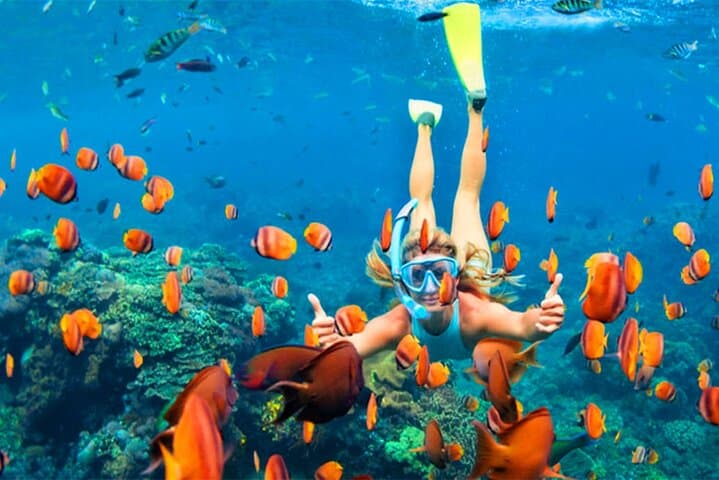
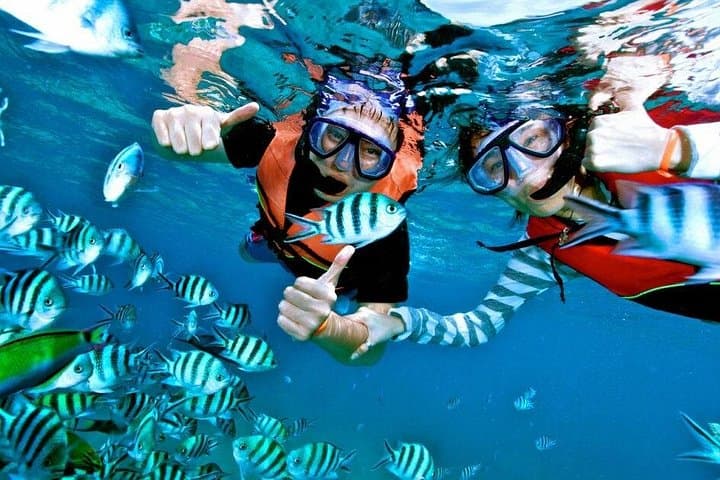
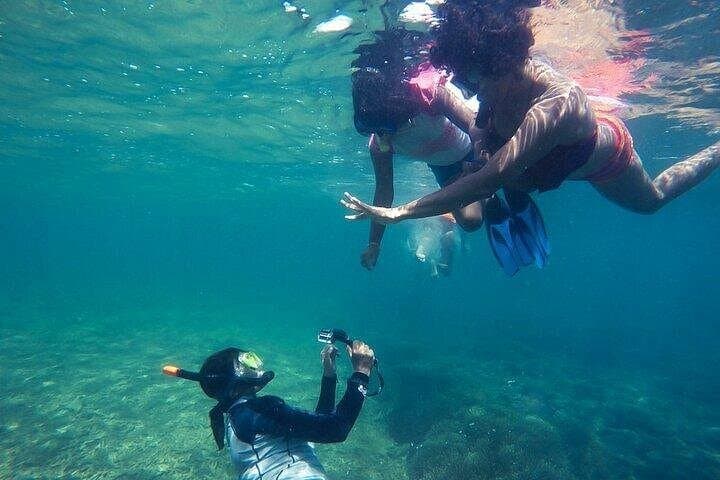
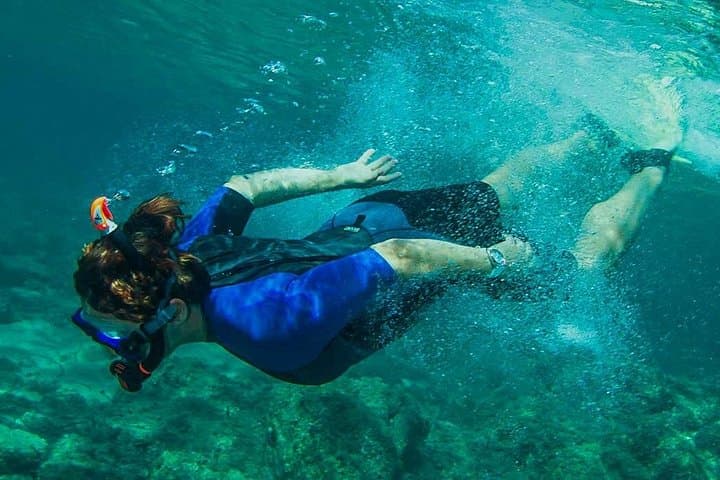
The boat slips away from Negombo’s palm-cut shoreline before dawn, engines whispering while the coastal town blurs into a band of orange roofs and the lagoon’s pale mirror. Twenty minutes later the sea opens, a shallow blue stage where sunlight stitches bright paths through clear water. Guests step over the rail with masks and fins, and the surface turns into a window — a moving glass that lets you peer at anemones swaying like guarded flowers and shoals of silver fish that ripple as one.
Verified experiences and guided adventures in the surrounding area.
Operated by Lakpura LLC · Negombo, Western Province
The boat slips away from Negombo’s palm-cut shoreline before dawn, engines whispering while the coastal town blurs into a band of orange roofs and the lagoon’s pale mirror. Twenty minutes later the sea opens, a shallow blue stage where sunlight stitches bright paths through clear water. Guests step over the rail with masks and fins, and the surface turns into a window — a moving glass that lets you peer at anemones swaying like guarded flowers and shoals of silver fish that ripple as one.
This stretch of coast has been a working seascape for centuries: Portuguese and Dutch traders once relied on Negombo’s lagoon and mangroves for salt and fish, and the reefs nearby are younger — living limestone built by coral colonies over millennia atop the fractured bedrock of Sri Lanka’s western shelf. The coral here is low and close to shore, a geometry of fingers, caves and rubble that favors small, bold life. Local fishing communities still read the tides the way their grandparents did; today a quieter tourism economy brings snorkelers to the same waters, balancing livelihood and stewardship.
Under the surface the ocean has personality: currents push gently along the reef, nudging you past hidden crevices; thermoclines lift and drop visibility in minutes. Expect to see clownfish darting among anemones, hermit crabs at work, and bright hard corals hosting small reef fish in dense schools. Operators typically run early-morning departures when visibility is highest and marine activity is most visible; as the sun climbs many creatures shelter in shade and the sea becomes a quieter place to watch.
Practical guidance: tours last about two hours and include a short boat transfer (roughly 15–20 minutes) from the Diving Center in Negombo. Snorkel gear is provided; basic competency with a mask and snorkel is required and a reasonable level of fitness makes entries and surface-swims easier. The activity is not recommended for those with spinal, serious heart conditions or pregnancy. Cancelations due to poor weather are common — operators require notice 24 hours ahead for a full refund.
Pack reef-safe sunscreen, a light rash guard for sun protection, and a waterproof camera if you want to document the colorful reefscape. Hydrate before you go and use reef-wise buoyancy — avoid touching coral or standing on fragile plates. If you have time in Negombo, visit the fish market at dawn or take a short boat trip into the nearby Muthurajawela wetlands for a contrasting taste of the lagoon’s wildlife. For travelers who want an accessible, high-return coastal dive into Sri Lankan marine life, these shallow reefs deliver clear, direct encounters with the ocean’s everyday inhabitants.
moderate.
2 hours.
Good aerobic fitness and the ability to swim and tread water comfortably for short periods are recommended.
Expect roughly 15–20 minutes by boat from the Diving Center in Negombo to the nearby shallow reefs.
Yes — masks, snorkels and fins are included with the tour; bringing a personal mask can improve fit and comfort.
Early morning (around 8:00 AM) offers the clearest water and the most marine activity before the sun heats the surface.
This activity is not recommended for pregnant travelers or those with serious heart or spinal conditions; disclose any issues when booking.
These are shallow reefs best known for small reef fish, clownfish, anemones and hermit crabs; sightings of large pelagics are uncommon.
For a full refund cancel at least 24 hours before the scheduled departure; tours may be canceled for bad weather.
Negombo’s fishing and lagoon systems were central to Portuguese and Dutch colonial trade; reefs off the coast are living limestone formations atop the western continental shelf.
Avoid touching coral and use reef-safe sunscreen; local operators often support beach clean-ups and sustainable practices to protect reef health.
Lakpura LLC operates guided outdoor trips and adventures with an emphasis on safety, stewardship, and memorable experiences.
The boat slips away from Negombo’s palm-cut shoreline before dawn, engines whispering while the coastal town blurs into a band of orange roofs and the lagoon’s pale mirror. Twenty minutes later the sea opens, a shallow blue stage where sunlight stitches bright paths through clear water. Guests step over the rail with masks and fins, and the surface turns into a window — a moving glass that lets you peer at anemones swaying like guarded flowers and shoals of silver fish that ripple as one.
The boat slips away from Negombo’s palm-cut shoreline before dawn, engines whispering while the coastal town blurs into a band of orange roofs and the lagoon’s pale mirror. Twenty minutes later the sea opens, a shallow blue stage where sunlight stitches bright paths through clear water. Guests step over the rail with masks and fins, and the surface turns into a window — a moving glass that lets you peer at anemones swaying like guarded flowers and shoals of silver fish that ripple as one.
This stretch of coast has been a working seascape for centuries: Portuguese and Dutch traders once relied on Negombo’s lagoon and mangroves for salt and fish, and the reefs nearby are younger — living limestone built by coral colonies over millennia atop the fractured bedrock of Sri Lanka’s western shelf. The coral here is low and close to shore, a geometry of fingers, caves and rubble that favors small, bold life. Local fishing communities still read the tides the way their grandparents did; today a quieter tourism economy brings snorkelers to the same waters, balancing livelihood and stewardship.
Under the surface the ocean has personality: currents push gently along the reef, nudging you past hidden crevices; thermoclines lift and drop visibility in minutes. Expect to see clownfish darting among anemones, hermit crabs at work, and bright hard corals hosting small reef fish in dense schools. Operators typically run early-morning departures when visibility is highest and marine activity is most visible; as the sun climbs many creatures shelter in shade and the sea becomes a quieter place to watch.
Practical guidance: tours last about two hours and include a short boat transfer (roughly 15–20 minutes) from the Diving Center in Negombo. Snorkel gear is provided; basic competency with a mask and snorkel is required and a reasonable level of fitness makes entries and surface-swims easier. The activity is not recommended for those with spinal, serious heart conditions or pregnancy. Cancelations due to poor weather are common — operators require notice 24 hours ahead for a full refund.
Pack reef-safe sunscreen, a light rash guard for sun protection, and a waterproof camera if you want to document the colorful reefscape. Hydrate before you go and use reef-wise buoyancy — avoid touching coral or standing on fragile plates. If you have time in Negombo, visit the fish market at dawn or take a short boat trip into the nearby Muthurajawela wetlands for a contrasting taste of the lagoon’s wildlife. For travelers who want an accessible, high-return coastal dive into Sri Lankan marine life, these shallow reefs deliver clear, direct encounters with the ocean’s everyday inhabitants.