THE ADVENTURE COLLECTIVE® · Independent discovery and booking for outdoor travel

A two‑hour morning snorkeling trip off Bentota takes you to shallow coral outcrops where clownfish, anemones, and shoals of silver fish gather. Expect a quick boat ride, clear early‑morning visibility, and gear provided by the dive center.
A two‑hour morning snorkeling trip off Bentota takes you to shallow coral outcrops where clownfish, anemones, and shoals of silver fish gather. Expect a quick boat ride, clear early‑morning visibility, and gear provided by the dive center.
You push off from Bentota’s shallow sand—early light skimming the sea—and the boat eases toward a reef that sits barely twenty minutes offshore. The water is warm and clear in the morning; the surface shivers as a shoal of silver fish redirects like a single mind. Your mask becomes a new way of seeing: bright corals, anemones that cradle clownfish, and hermit crabs picking the reef’s edges.
Verified experiences and guided adventures in the surrounding area.
Operated by Lakpura LLC · Bentota, Southern Province
You push off from Bentota’s shallow sand—early light skimming the sea—and the boat eases toward a reef that sits barely twenty minutes offshore. The water is warm and clear in the morning; the surface shivers as a shoal of silver fish redirects like a single mind. Your mask becomes a new way of seeing: bright corals, anemones that cradle clownfish, and hermit crabs picking the reef’s edges.
This stretch of Sri Lanka’s southwest coast has been a fishing and trade corridor for centuries, with coral growth shaped by the calm lee of the island’s continental shelf and seasonal monsoon patterns. The reef patches near Bentota are not a continuous barrier reef but a series of living outcrops—fragile, colorful, and close enough for short boat runs. Local communities still fish from small outrigger boats, and nearby turtle hatcheries reflect long-standing conservation and cultural concern for marine life.
Practically, expect a 2‑hour window on the water: a 7:30 am departure is common because visibility drops as the sun climbs and fish retreat into shade. Basic snorkeling skills and a comfortable level of fitness make the experience smooth; guides supply masks, snorkels, fins, and a short safety briefing. Bring an underwater camera, use reef‑safe sunscreen, and keep movements slow—currents are gentle but can push you toward coral.
Timing, hydration, and respectful behavior determine how much you see. Plan for short boat transfers, minimal walking, and unpredictable encounters: sometimes a curious fish arrives; sometimes the reef is quietly busy with tiny life. Either way, the outing is immediate, tactile, and instructive—an accessible introduction to Sri Lanka’s coastal marine world.
moderate.
2 hours.
Comfortable swimmer with good breath control and basic snorkeling stamina; moderate cardiovascular fitness recommended
The operator’s boat typically takes up to 20 minutes to reach the best nearby reef patches from Bentota’s dive center.
Yes—beginners can join with a short safety briefing and guided support, but participants should be comfortable in open water and able to float and swim.
Policies vary; many operators allow older children who are confident swimmers, but confirm age limits and life jacket availability when booking.
Operators commonly cancel in poor weather for safety; check the tour’s refund policy (many require cancellation at least 24 hours prior for a full refund).
Bentota developed as a small fishing and trading community influenced by colonial trade routes; reefs here reflect the island’s long relationship with the Indian Ocean.
Reefs are fragile—use reef‑safe sunscreen, don’t touch coral, and support local hatcheries and guides that follow low‑impact practices.
Lakpura LLC operates guided outdoor trips and adventures with an emphasis on safety, stewardship, and memorable experiences.
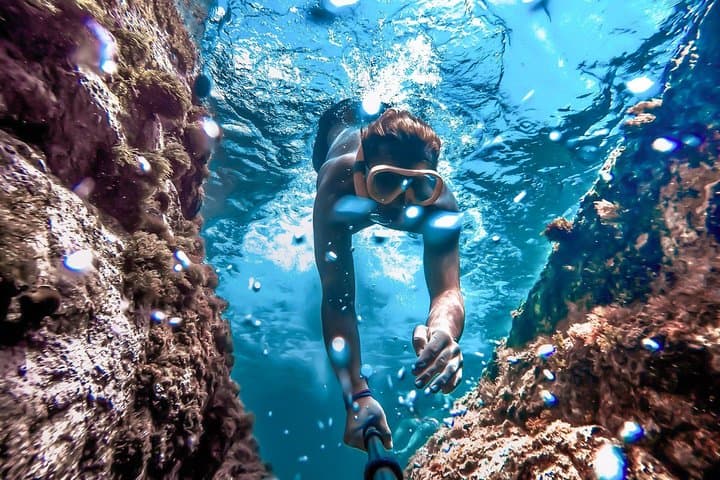
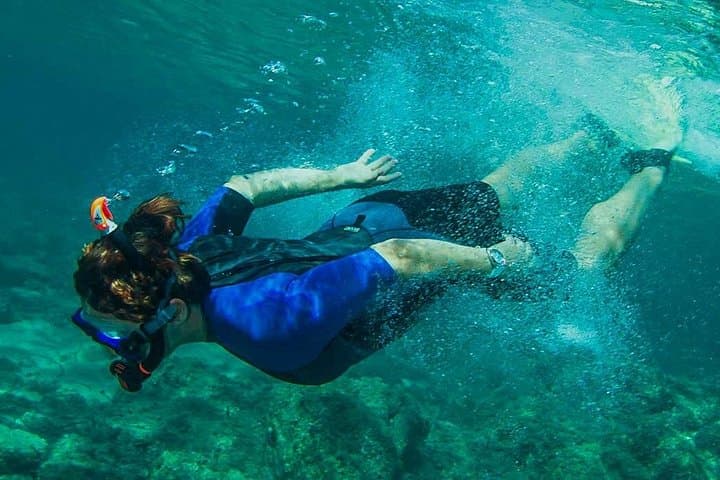
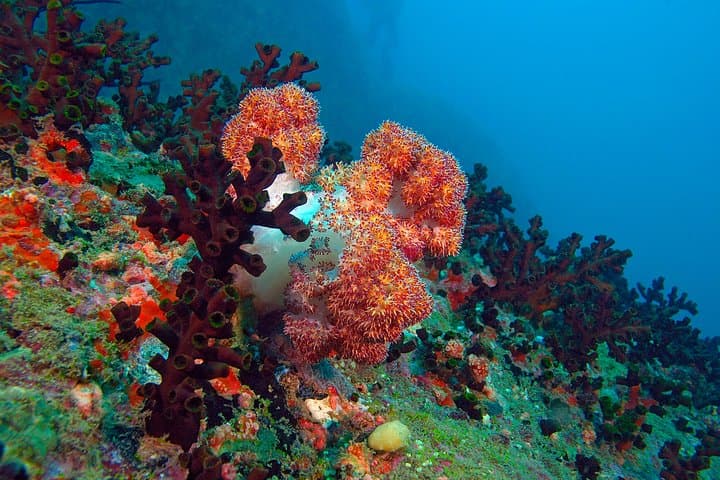
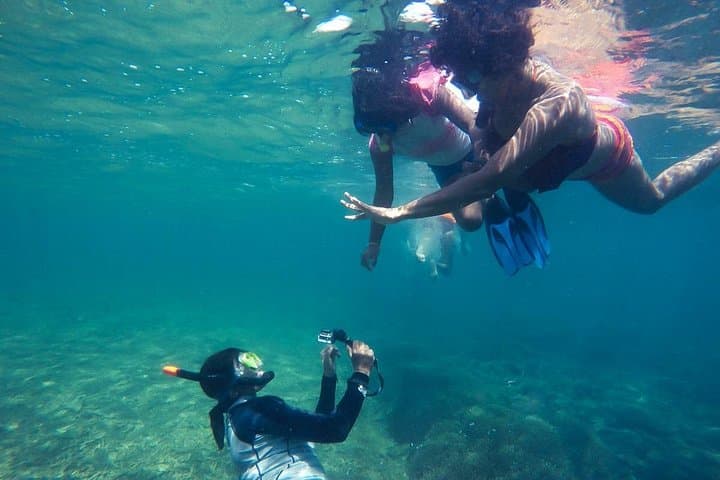
You push off from Bentota’s shallow sand—early light skimming the sea—and the boat eases toward a reef that sits barely twenty minutes offshore. The water is warm and clear in the morning; the surface shivers as a shoal of silver fish redirects like a single mind. Your mask becomes a new way of seeing: bright corals, anemones that cradle clownfish, and hermit crabs picking the reef’s edges.
You push off from Bentota’s shallow sand—early light skimming the sea—and the boat eases toward a reef that sits barely twenty minutes offshore. The water is warm and clear in the morning; the surface shivers as a shoal of silver fish redirects like a single mind. Your mask becomes a new way of seeing: bright corals, anemones that cradle clownfish, and hermit crabs picking the reef’s edges.
This stretch of Sri Lanka’s southwest coast has been a fishing and trade corridor for centuries, with coral growth shaped by the calm lee of the island’s continental shelf and seasonal monsoon patterns. The reef patches near Bentota are not a continuous barrier reef but a series of living outcrops—fragile, colorful, and close enough for short boat runs. Local communities still fish from small outrigger boats, and nearby turtle hatcheries reflect long-standing conservation and cultural concern for marine life.
Practically, expect a 2‑hour window on the water: a 7:30 am departure is common because visibility drops as the sun climbs and fish retreat into shade. Basic snorkeling skills and a comfortable level of fitness make the experience smooth; guides supply masks, snorkels, fins, and a short safety briefing. Bring an underwater camera, use reef‑safe sunscreen, and keep movements slow—currents are gentle but can push you toward coral.
Timing, hydration, and respectful behavior determine how much you see. Plan for short boat transfers, minimal walking, and unpredictable encounters: sometimes a curious fish arrives; sometimes the reef is quietly busy with tiny life. Either way, the outing is immediate, tactile, and instructive—an accessible introduction to Sri Lanka’s coastal marine world.