THE ADVENTURE COLLECTIVE® · Independent discovery and booking for outdoor travel

Board a private boat from Hurghada and cross to Giftun Island for full-day snorkeling through coral gardens, guided reef stops, and an open‑boat lunch. Expect calm lagoons, visibility that stretches under your fins, and practical tips to protect both your experience and the reef.
Board a private boat from Hurghada and cross to Giftun Island for full-day snorkeling through coral gardens, guided reef stops, and an open‑boat lunch. Expect calm lagoons, visibility that stretches under your fins, and practical tips to protect both your experience and the reef.
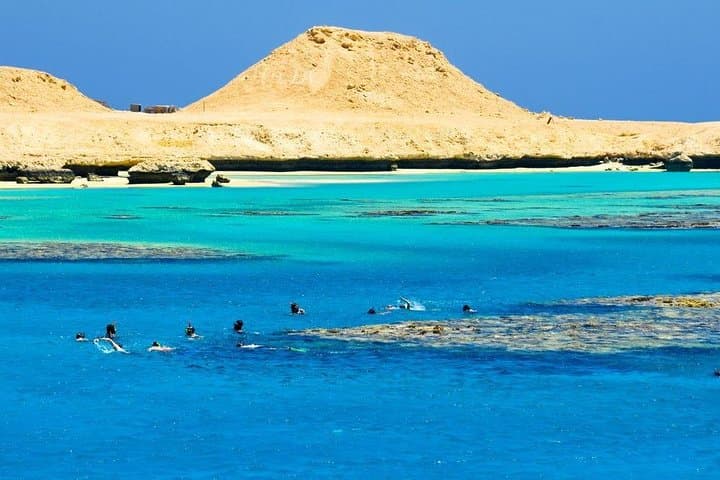
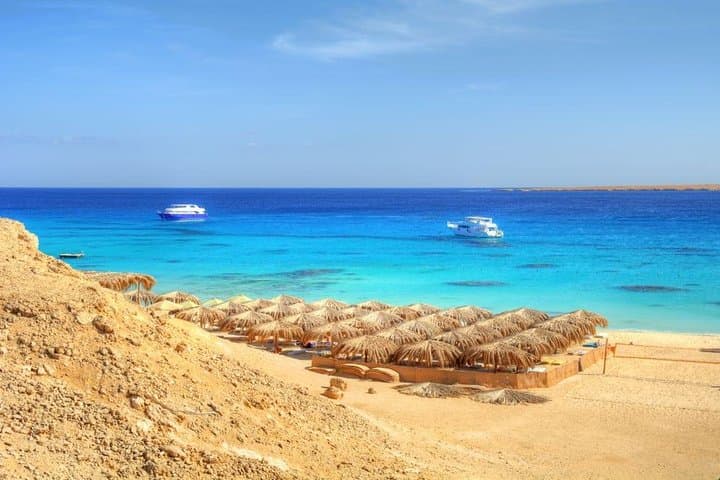
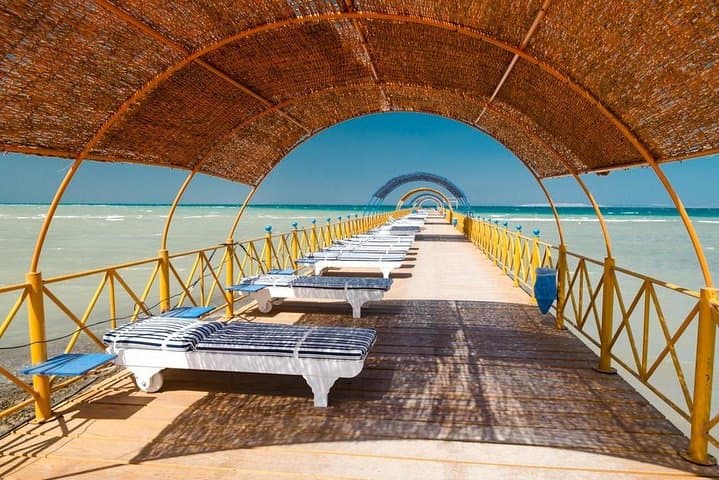
The motor cuts through glassy turquoise, and the shoreline of Hurghada slips behind you—low hotels, the long pier, and a distant strip of desert. Ahead, a white speck that looks like a sandbar grows into Giftun Island: a bright crescent of sand ringed by reef. Onboard, the guide checks masks and points to a chart; below the surface, the Red Sea’s coral gardens wait like stained-glass windows, mapped by currents and centuries.
Verified experiences and guided adventures in the surrounding area.
Operated by Egypt Lovely Tours · Hurghada, Red Sea Governorate
The motor cuts through glassy turquoise, and the shoreline of Hurghada slips behind you—low hotels, the long pier, and a distant strip of desert. Ahead, a white speck that looks like a sandbar grows into Giftun Island: a bright crescent of sand ringed by reef. Onboard, the guide checks masks and points to a chart; below the surface, the Red Sea’s coral gardens wait like stained-glass windows, mapped by currents and centuries.
Giftun sits on a shallow coral shelf that formed as the Red Sea widened. For millennia the sea has been a highway—Pharaonic vessels, Arabian traders, and modern cargo ships all threaded these waters. Today the islands are part of a marine mosaic where reef-building corals, parrotfish and hawksbill turtles create a living coastline. Hurghada itself was once a small fishing village; its boom began in the late 20th century when divers and sun-seekers discovered how clear and productive these reefs are.
The day on this private cruise is simple and deliberate: a one-way run to multiple snorkeling sites scattered around the Giftun group, time to drift over coral plates and bommies, then lunch served on the boat or onshore. Visibility here commonly exceeds 15–25 meters, and the reef structure changes from shallow gardens to drop-offs—so you’ll be floating above shallow gardens one moment and peering down into vertical coral walls the next. Guides brief you on currents and no-touch rules; the Red Sea’s corals are resilient but fragile in human hands.
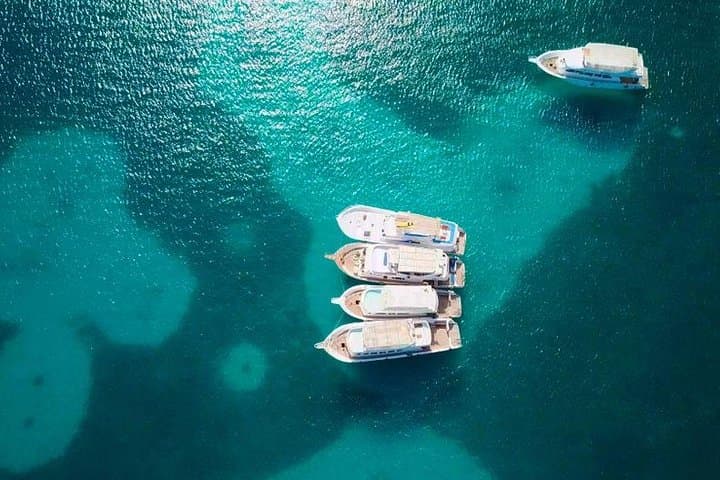
Practical matters matter out here. Pickup from Hurghada or El Gouna is usually included; expect roughly an eight-hour excursion including transfers. Bring reef-safe sunscreen and a UV shirt—sun reflects off both sea and sand. If you’re not a confident snorkeler, a lifejacket will keep you buoyant while you watch schools of fusiliers and anemonefish. Boats often anchor in sheltered coves to let swimmers in and out; follow crew instructions to avoid damaging the reef.
For photographers, a small underwater camera or housing will capture the riot of color—shoot shallow coral patches in morning light for the best clarity. Time your trip earlier in the day to avoid afternoon chop. Respect the ecosystem: avoid standing on coral, discard nothing overboard, and ask the guide where it’s safe to step onto sand.
A Giftun day is both unhurried and exacting: long stretches of floating punctuated by bursts of marine theater. When you return to Hurghada’s jetty at dusk, the sea has a way of holding a day’s images—a turtle’s blink, a parrotfish’s scrape—against the hard, dry horizon of the desert.
easy.
8 hours.
Light activity—suitable for most travelers who can swim short distances or wear a lifejacket.
No—this tour is suitable for all fitness levels; lifejackets are available and guides stay close by, but basic comfort in the water helps you make the most of the reefs.
Yes—masks, snorkels and fins are provided; you can bring your own for better fit and hygiene.
Transfers from Hurghada or El Gouna, snorkeling equipment, bottled water and soft drinks, lunch aboard the boat, and an English‑speaking guide are typically included.
Children are welcome if they can swim or wear a lifejacket; check age policies with the operator at booking time.
Transit time varies with sea conditions and exact pickup point but plan on about 30–60 minutes each way from Hurghada marinas.
Use reef‑safe sunscreen, don’t touch or stand on corals, avoid feeding fish, and follow crew guidance about where to swim and enter/exit the water.
Giftun’s reefs formed on an uplifted shelf of the Red Sea; the waters here have been important to trade and fishing communities around Hurghada for centuries.
The area is part of a marine-protected ecosystem—operators and visitors are encouraged to follow no‑touch rules and use reef‑safe products to limit impact.
Egypt Lovely Tours operates guided outdoor trips and adventures with an emphasis on safety, stewardship, and memorable experiences.
The motor cuts through glassy turquoise, and the shoreline of Hurghada slips behind you—low hotels, the long pier, and a distant strip of desert. Ahead, a white speck that looks like a sandbar grows into Giftun Island: a bright crescent of sand ringed by reef. Onboard, the guide checks masks and points to a chart; below the surface, the Red Sea’s coral gardens wait like stained-glass windows, mapped by currents and centuries.
The motor cuts through glassy turquoise, and the shoreline of Hurghada slips behind you—low hotels, the long pier, and a distant strip of desert. Ahead, a white speck that looks like a sandbar grows into Giftun Island: a bright crescent of sand ringed by reef. Onboard, the guide checks masks and points to a chart; below the surface, the Red Sea’s coral gardens wait like stained-glass windows, mapped by currents and centuries.
Giftun sits on a shallow coral shelf that formed as the Red Sea widened. For millennia the sea has been a highway—Pharaonic vessels, Arabian traders, and modern cargo ships all threaded these waters. Today the islands are part of a marine mosaic where reef-building corals, parrotfish and hawksbill turtles create a living coastline. Hurghada itself was once a small fishing village; its boom began in the late 20th century when divers and sun-seekers discovered how clear and productive these reefs are.
The day on this private cruise is simple and deliberate: a one-way run to multiple snorkeling sites scattered around the Giftun group, time to drift over coral plates and bommies, then lunch served on the boat or onshore. Visibility here commonly exceeds 15–25 meters, and the reef structure changes from shallow gardens to drop-offs—so you’ll be floating above shallow gardens one moment and peering down into vertical coral walls the next. Guides brief you on currents and no-touch rules; the Red Sea’s corals are resilient but fragile in human hands.
Practical matters matter out here. Pickup from Hurghada or El Gouna is usually included; expect roughly an eight-hour excursion including transfers. Bring reef-safe sunscreen and a UV shirt—sun reflects off both sea and sand. If you’re not a confident snorkeler, a lifejacket will keep you buoyant while you watch schools of fusiliers and anemonefish. Boats often anchor in sheltered coves to let swimmers in and out; follow crew instructions to avoid damaging the reef.
For photographers, a small underwater camera or housing will capture the riot of color—shoot shallow coral patches in morning light for the best clarity. Time your trip earlier in the day to avoid afternoon chop. Respect the ecosystem: avoid standing on coral, discard nothing overboard, and ask the guide where it’s safe to step onto sand.
A Giftun day is both unhurried and exacting: long stretches of floating punctuated by bursts of marine theater. When you return to Hurghada’s jetty at dusk, the sea has a way of holding a day’s images—a turtle’s blink, a parrotfish’s scrape—against the hard, dry horizon of the desert.