THE ADVENTURE COLLECTIVE® · Independent discovery and booking for outdoor travel

Float above unexpected coral gardens off Ovahe Beach with WAFA-certified guides while watching endemic reef fish and being filmed underwater. This three-hour guided snorkel blends safety-focused instruction with local natural history and easy access from Hanga Roa.
Float above unexpected coral gardens off Ovahe Beach with WAFA-certified guides while watching endemic reef fish and being filmed underwater. This three-hour guided snorkel blends safety-focused instruction with local natural history and easy access from Hanga Roa.
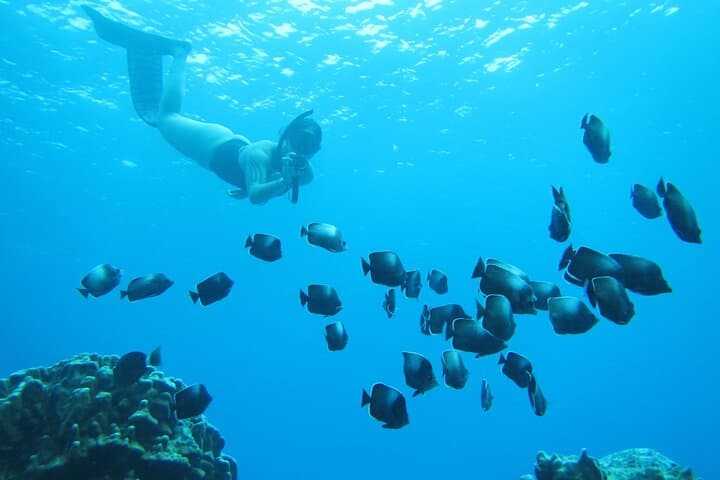
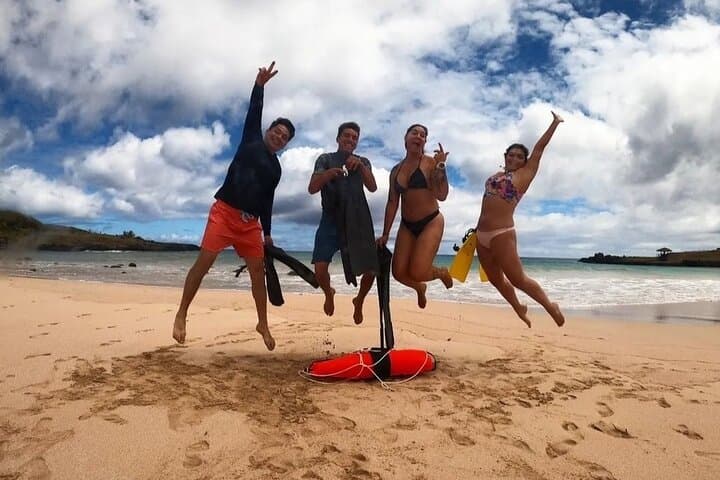
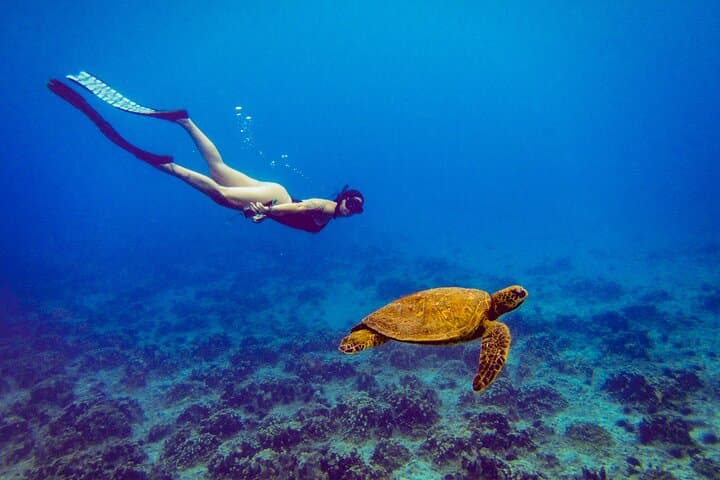
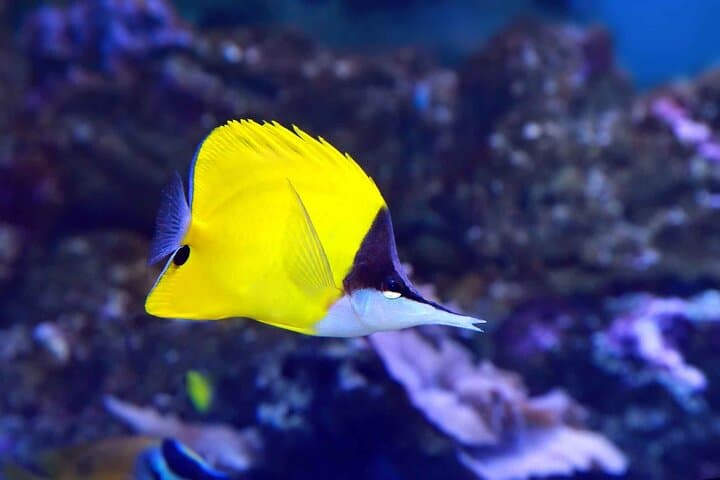
You step off the wind-swept shoreline at Ovahe and the Pacific pulls the island’s colors into focus: pale volcanic cliffs, a ribbon of white sand, and water clear enough to read the reef below. A small group settles into floats and masks while guides run through safety and point toward the first patch of coral, where endemic fish thread through fingers of stony growth.
Verified experiences and guided adventures in the surrounding area.
Operated by Paikea tours · Hanga Roa, Valparaíso Region
You step off the wind-swept shoreline at Ovahe and the Pacific pulls the island’s colors into focus: pale volcanic cliffs, a ribbon of white sand, and water clear enough to read the reef below. A small group settles into floats and masks while guides run through safety and point toward the first patch of coral, where endemic fish thread through fingers of stony growth.
Rapa Nui’s reefs sit within the boundaries of Rapa Nui National Park, a UNESCO-protected landscape better known for moai. Geologically, the island is the tip of submarine volcanoes; the volcanic substrate supports pockets of coral growth that survive in cooler, nutrient-rich waters compared with tropical atolls. Culturally, fishing and ocean lore remain part of local life — guides often weave stories of ancestral navigation into briefings.
Expect calm, shallow snorkeling over mixed hard and soft corals, visibility often excellent in morning hours. Guides use flotation buoys and WAFA-certified safety procedures; equipment and pickup from Hanga Roa are typically included. The tour emphasizes endemic species identification and records the swim with underwater video so families can take the experience home.
Practical notes: plan for sun and wind — mornings are the calmest; reef-safe sunscreen and a snug mask improve comfort and reduce environmental impact. Don’t touch or stand on coral, and keep an eye on currents when exiting. For visitors with moderate fitness and basic snorkeling skills, this three-hour outing is an accessible way to encounter Rapa Nui’s less-visible wildlife while learning about its fragile marine ecology.
moderate.
3 hours.
Moderate — comfortable treading water and swimming short distances; able to enter/exit through sand or shallow rock.
You should be comfortable in open water and able to swim short distances; flotation buoys and guides provide support if you tire.
Yes — basic masks, snorkels, and fins are typically included, along with flotation devices and a safety briefing.
Mornings generally have the calmest seas and highest visibility; operators may shift beaches based on wind and swell.
Families are welcome but age and weight limits may apply for safety; check with the operator and disclose ages at booking.
Rapa Nui’s marine areas sit within a landscape shaped by Polynesian voyaging and centuries of local stewardship; modern protections reflect the island’s status as a national park.
Coral patches are small and vulnerable — avoid contact, use reef-safe sunscreen, and follow guide instructions to reduce impact.
Paikea tours operates guided outdoor trips and adventures with an emphasis on safety, stewardship, and memorable experiences.
You step off the wind-swept shoreline at Ovahe and the Pacific pulls the island’s colors into focus: pale volcanic cliffs, a ribbon of white sand, and water clear enough to read the reef below. A small group settles into floats and masks while guides run through safety and point toward the first patch of coral, where endemic fish thread through fingers of stony growth.
You step off the wind-swept shoreline at Ovahe and the Pacific pulls the island’s colors into focus: pale volcanic cliffs, a ribbon of white sand, and water clear enough to read the reef below. A small group settles into floats and masks while guides run through safety and point toward the first patch of coral, where endemic fish thread through fingers of stony growth.
Rapa Nui’s reefs sit within the boundaries of Rapa Nui National Park, a UNESCO-protected landscape better known for moai. Geologically, the island is the tip of submarine volcanoes; the volcanic substrate supports pockets of coral growth that survive in cooler, nutrient-rich waters compared with tropical atolls. Culturally, fishing and ocean lore remain part of local life — guides often weave stories of ancestral navigation into briefings.
Expect calm, shallow snorkeling over mixed hard and soft corals, visibility often excellent in morning hours. Guides use flotation buoys and WAFA-certified safety procedures; equipment and pickup from Hanga Roa are typically included. The tour emphasizes endemic species identification and records the swim with underwater video so families can take the experience home.
Practical notes: plan for sun and wind — mornings are the calmest; reef-safe sunscreen and a snug mask improve comfort and reduce environmental impact. Don’t touch or stand on coral, and keep an eye on currents when exiting. For visitors with moderate fitness and basic snorkeling skills, this three-hour outing is an accessible way to encounter Rapa Nui’s less-visible wildlife while learning about its fragile marine ecology.