THE ADVENTURE COLLECTIVE® · Independent discovery and booking for outdoor travel

Board a short boat from Tamarindo for two guided snorkel sessions at the Catalina Islands. This half-day trip mixes calm shallow reefs and deeper coral gardens—ideal for families and first-time snorkelers.
Board a short boat from Tamarindo for two guided snorkel sessions at the Catalina Islands. This half-day trip mixes calm shallow reefs and deeper coral gardens—ideal for families and first-time snorkelers.
The boat leaves Tamarindo harbor as the sun climbs over Guanacaste’s low ridge—salted wind pushing you toward a chain of volcanic rock that juts from the Pacific. By the time the hull slows, the water changes from steel blue to clear green, and the surface starts to sparkle with life. Two short snorkeling sessions at separate reefs give you a chance to adjust to currents and read the water: a shallow bay where fish weave through coral bommies, and a deeper reef where rays glide like shadows.
Verified experiences and guided adventures in the surrounding area.
Operated by Be water diving Tamarindo · Tamarindo, Guanacaste
The boat leaves Tamarindo harbor as the sun climbs over Guanacaste’s low ridge—salted wind pushing you toward a chain of volcanic rock that juts from the Pacific. By the time the hull slows, the water changes from steel blue to clear green, and the surface starts to sparkle with life. Two short snorkeling sessions at separate reefs give you a chance to adjust to currents and read the water: a shallow bay where fish weave through coral bommies, and a deeper reef where rays glide like shadows.
The Catalina Islands (Islas Catalinas) are offshore remnants of volcanic activity in the Gulf of Papagayo. Fishermen and local guides have long known these reefs for abundant reef fish, moray eels, and seasonal visits from manta rays and small sharks. Tamarindo grew from a fishing village into a surf and ecotourism hub, so tours balance accessibility with respect for local livelihoods.
Expect a 35–45 minute boat ride each direction, two 25–40 minute snorkel sessions, light snacks and bottled water provided, and briefings on reef etiquette. The terrain is ocean: the biggest challenges are boat motion and current, not trailgrades. Bring reef-safe sunscreen, a snug mask, and a comfortable snorkel—your guide will fit fins and vests and point out underwater highlights. Plan morning departures for calmer seas and better visibility; afternoon winds can stir sediment.
Practical notes: this trip suits beginners and confident swimmers, but anyone with neck or heart issues should avoid it. Respect no-touch rules, pack a dry bag for valuables, and be ready to let the current decide your line—then follow your guide back to the boat.
easy.
5 hours.
Light swimming ability recommended; comfortable in open water and able to snorkel for 20–40 minutes per session
Typical transit time is about 35–45 minutes each way depending on sea conditions and the exact island target.
Yes—tours cater to families and provide flotation vests; non-swimmers should stay with the guide and wear a life vest.
Common sightings include colorful reef fish, moray eels, rays, and occasionally blacktip reef sharks and turtles depending on season.
Tours are canceled for unsafe sea conditions—operators typically cancel in advance and follow local weather and safety guidelines; check the booking terms.
The islands formed from ancient volcanic activity and have long been fishing grounds for Guanacaste communities; modern tourism grew as surf and dive culture expanded in the 1990s.
The reefs are sensitive—use reef-safe sunscreen, avoid touching coral, and follow guide instructions to minimize anchor and trampling damage.
Be water diving Tamarindo operates guided outdoor trips and adventures with an emphasis on safety, stewardship, and memorable experiences.
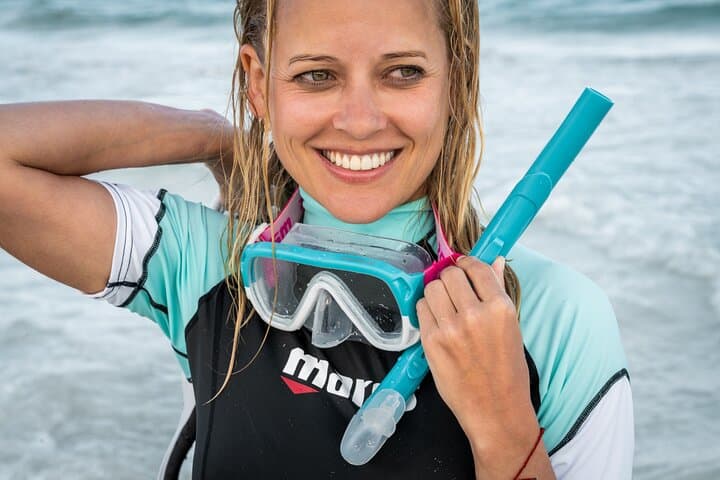
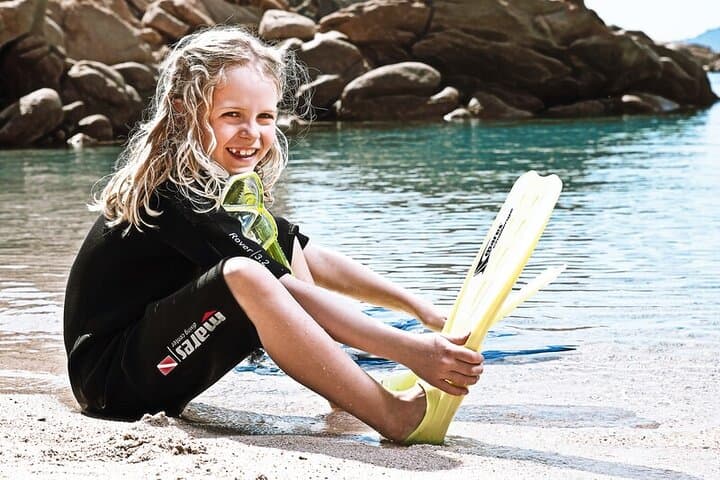
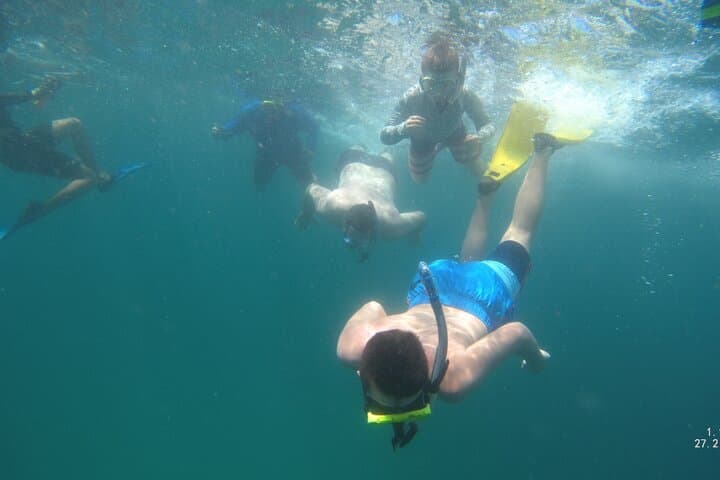
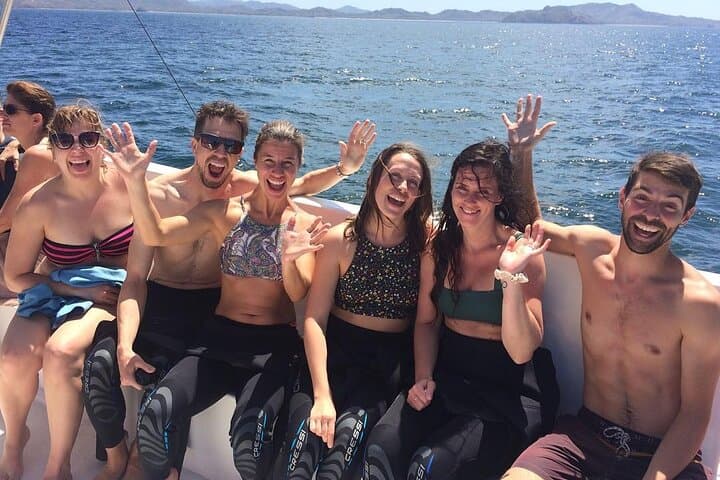
The boat leaves Tamarindo harbor as the sun climbs over Guanacaste’s low ridge—salted wind pushing you toward a chain of volcanic rock that juts from the Pacific. By the time the hull slows, the water changes from steel blue to clear green, and the surface starts to sparkle with life. Two short snorkeling sessions at separate reefs give you a chance to adjust to currents and read the water: a shallow bay where fish weave through coral bommies, and a deeper reef where rays glide like shadows.
The boat leaves Tamarindo harbor as the sun climbs over Guanacaste’s low ridge—salted wind pushing you toward a chain of volcanic rock that juts from the Pacific. By the time the hull slows, the water changes from steel blue to clear green, and the surface starts to sparkle with life. Two short snorkeling sessions at separate reefs give you a chance to adjust to currents and read the water: a shallow bay where fish weave through coral bommies, and a deeper reef where rays glide like shadows.
The Catalina Islands (Islas Catalinas) are offshore remnants of volcanic activity in the Gulf of Papagayo. Fishermen and local guides have long known these reefs for abundant reef fish, moray eels, and seasonal visits from manta rays and small sharks. Tamarindo grew from a fishing village into a surf and ecotourism hub, so tours balance accessibility with respect for local livelihoods.
Expect a 35–45 minute boat ride each direction, two 25–40 minute snorkel sessions, light snacks and bottled water provided, and briefings on reef etiquette. The terrain is ocean: the biggest challenges are boat motion and current, not trailgrades. Bring reef-safe sunscreen, a snug mask, and a comfortable snorkel—your guide will fit fins and vests and point out underwater highlights. Plan morning departures for calmer seas and better visibility; afternoon winds can stir sediment.
Practical notes: this trip suits beginners and confident swimmers, but anyone with neck or heart issues should avoid it. Respect no-touch rules, pack a dry bag for valuables, and be ready to let the current decide your line—then follow your guide back to the boat.