THE ADVENTURE COLLECTIVE® · Independent discovery and booking for outdoor travel

Slip off the quay, drift into turquoise coves and explore submerged granite shelves around Caprera. This 4‑hour snorkeling trip through the Maddalena Archipelago mixes easy swims with rich marine life and local history.
Slip off the quay, drift into turquoise coves and explore submerged granite shelves around Caprera. This 4‑hour snorkeling trip through the Maddalena Archipelago mixes easy swims with rich marine life and local history.
The boat eases out of La Maddalena harbor and the rock faces of Caprera peel into view—bronze cliffs, wind-polished granite, and narrow coves whose water flashes turquoise like glass cut by sunlight. The captain points to a notch in the shoreline and the engine dies to a whisper; the sea seems to hold its breath. You don fins, pull on a shorty wetsuit and let the Mediterranean dare you into water that’s cool and startlingly clear.
Verified experiences and guided adventures in the surrounding area.
Operated by Areamare Diving Center · La Maddalena, Sardinia
The boat eases out of La Maddalena harbor and the rock faces of Caprera peel into view—bronze cliffs, wind-polished granite, and narrow coves whose water flashes turquoise like glass cut by sunlight. The captain points to a notch in the shoreline and the engine dies to a whisper; the sea seems to hold its breath. You don fins, pull on a shorty wetsuit and let the Mediterranean dare you into water that’s cool and startlingly clear.
Caprera sits at the eastern edge of the Maddalena Archipelago, a chain of granite islands shaped by wind and sea over millennia. Underwater, the same granite shelves slope into pockets of sand and belts of Posidonia oceanica—seagrass meadows that are essential habitat for juvenile fish. Above, the island’s most famous resident, Giuseppe Garibaldi, left a quieter human footprint: his simple house and military relics are reminders that this place has long pulled visitors who prefer clarity over ornament.
Culturally, the islands still carry the rhythms of small-scale fishing and slow tourism. Boats here aren’t superyachts but working vessels that know how to find a calm cove at midday. Geologically, you’ll notice the rounded, pinkish granite boulders at water’s edge—ancient plutons exposed by erosion—giving many snorkeling spots their dramatic character.
On this 4-hour trip you’ll visit sites inaccessible from land: submerged rock gardens, narrow channels where currents collect colorful fish, and shallow reefs peppered with nudibranchs and damselfish. Typical swim distances from boat to reef are short—often 20–150 meters—and depths range from 1.5 to about 10 meters, making the locations friendly for beginners while still rewarding for experienced snorkelers.
Practical notes: the operator supplies mask, fins and a shorty wetsuit; bottled water and snacks are provided. Meet at the harbor parking near the tour center—there’s public transport if you’re staying in La Maddalena or Palau. Wear reef‑safe sunscreen, bring a lightweight towel and a waterproof camera if you want shots beneath the surface. Timing matters—late morning to early afternoon gives the warmest water and the calmest bays, but early starts avoid crowds.
Safety and conservation are part of the day: guides brief on currents, buddy systems and no‑touch policies to protect Posidonia and marine life. Whether you’re scanning for grouper hiding in crevices or drifting above a patch of seagrass alive with glassy juveniles, the trip balances gentle adventure with clear stewardship.
If you want to stretch the outing, combine the snorkel with a short shore visit to Garibaldi’s house on Caprera for a slice of history after the sea.
easy.
4 hours.
Suitable for all fitness levels; basic swimming ability and comfort in open water required
No—this tour is rated easy and guides choose sheltered sites; however, you should be comfortable floating and swimming short distances with fins.
The operator supplies mask, fins, a shorty wetsuit, bottled water and snacks; you can bring your own snorkel gear if preferred.
Sites are chosen for protection and interest—most swims from the boat are 20–150 meters, in depths from about 1.5 to 10 meters.
Information notes wheelchair accessibility to the meeting center, but boarding the boat may require some mobility—contact the operator with specifics.
Expect damselfish, wrasse, parrotfish, groupers, occasional moray eels and healthy Posidonia meadows with juvenile fish.
Full refund if you cancel at least 24 hours before departure; the operator also cancels in bad weather and refunds accordingly.
Caprera is famous as Giuseppe Garibaldi’s home; he bought the island in 1855 and lived there intermittently, leaving military relics and a modest residence.
The Maddalena Archipelago is a protected marine park—guides enforce no‑touch rules and operators limit anchoring to protect Posidonia and benthic habitats.
Areamare Diving Center operates guided outdoor trips and adventures with an emphasis on safety, stewardship, and memorable experiences.
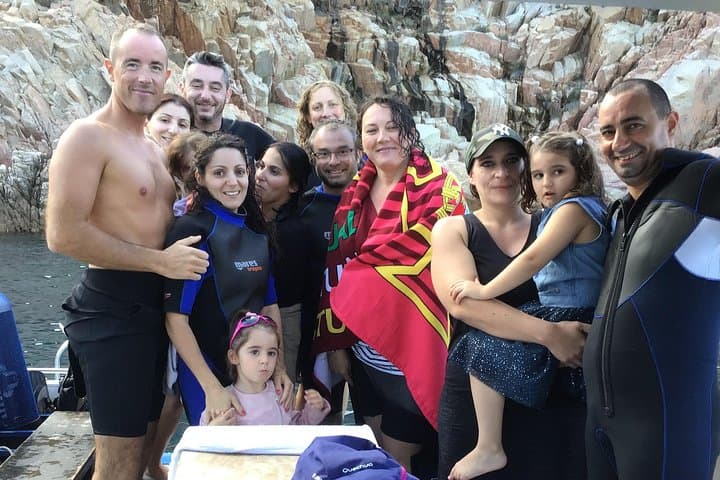
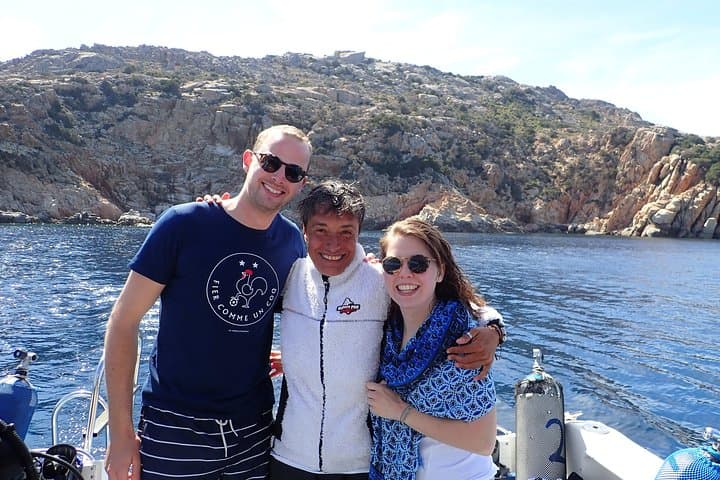
The boat eases out of La Maddalena harbor and the rock faces of Caprera peel into view—bronze cliffs, wind-polished granite, and narrow coves whose water flashes turquoise like glass cut by sunlight. The captain points to a notch in the shoreline and the engine dies to a whisper; the sea seems to hold its breath. You don fins, pull on a shorty wetsuit and let the Mediterranean dare you into water that’s cool and startlingly clear.
The boat eases out of La Maddalena harbor and the rock faces of Caprera peel into view—bronze cliffs, wind-polished granite, and narrow coves whose water flashes turquoise like glass cut by sunlight. The captain points to a notch in the shoreline and the engine dies to a whisper; the sea seems to hold its breath. You don fins, pull on a shorty wetsuit and let the Mediterranean dare you into water that’s cool and startlingly clear.
Caprera sits at the eastern edge of the Maddalena Archipelago, a chain of granite islands shaped by wind and sea over millennia. Underwater, the same granite shelves slope into pockets of sand and belts of Posidonia oceanica—seagrass meadows that are essential habitat for juvenile fish. Above, the island’s most famous resident, Giuseppe Garibaldi, left a quieter human footprint: his simple house and military relics are reminders that this place has long pulled visitors who prefer clarity over ornament.
Culturally, the islands still carry the rhythms of small-scale fishing and slow tourism. Boats here aren’t superyachts but working vessels that know how to find a calm cove at midday. Geologically, you’ll notice the rounded, pinkish granite boulders at water’s edge—ancient plutons exposed by erosion—giving many snorkeling spots their dramatic character.
On this 4-hour trip you’ll visit sites inaccessible from land: submerged rock gardens, narrow channels where currents collect colorful fish, and shallow reefs peppered with nudibranchs and damselfish. Typical swim distances from boat to reef are short—often 20–150 meters—and depths range from 1.5 to about 10 meters, making the locations friendly for beginners while still rewarding for experienced snorkelers.
Practical notes: the operator supplies mask, fins and a shorty wetsuit; bottled water and snacks are provided. Meet at the harbor parking near the tour center—there’s public transport if you’re staying in La Maddalena or Palau. Wear reef‑safe sunscreen, bring a lightweight towel and a waterproof camera if you want shots beneath the surface. Timing matters—late morning to early afternoon gives the warmest water and the calmest bays, but early starts avoid crowds.
Safety and conservation are part of the day: guides brief on currents, buddy systems and no‑touch policies to protect Posidonia and marine life. Whether you’re scanning for grouper hiding in crevices or drifting above a patch of seagrass alive with glassy juveniles, the trip balances gentle adventure with clear stewardship.
If you want to stretch the outing, combine the snorkel with a short shore visit to Garibaldi’s house on Caprera for a slice of history after the sea.