THE ADVENTURE COLLECTIVE® · Independent discovery and booking for outdoor travel

A full-day boat trip from Sierpe delivers clear-water snorkeling at Isla del Caño, a protected marine reserve with vibrant reefs and archaeological interest. Expect guided snorkel sessions, a beach lunch, and scenic passage through the Terraba-Sierpe mangrove.
A full-day boat trip from Sierpe delivers clear-water snorkeling at Isla del Caño, a protected marine reserve with vibrant reefs and archaeological interest. Expect guided snorkel sessions, a beach lunch, and scenic passage through the Terraba-Sierpe mangrove.
Morning light slices the gulf as a low-profile boat slips away from Sierpe, the mangrove channel narrowing until the shore falls away and the Pacific opens. Salt and river tannin mix; guides point out the Terraba-Sierpe mangrove — a living maze that guards the passage — before the hull turns toward Caño Island’s reef.
Verified experiences and guided adventures in the surrounding area.
Operated by Agencia de Viajes Costa Rica te Enamora · Sierpe, Puntarenas
Morning light slices the gulf as a low-profile boat slips away from Sierpe, the mangrove channel narrowing until the shore falls away and the Pacific opens. Salt and river tannin mix; guides point out the Terraba-Sierpe mangrove — a living maze that guards the passage — before the hull turns toward Caño Island’s reef.
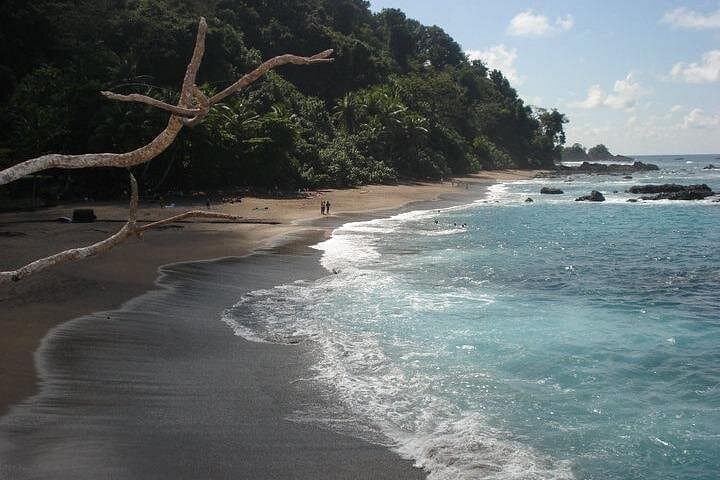
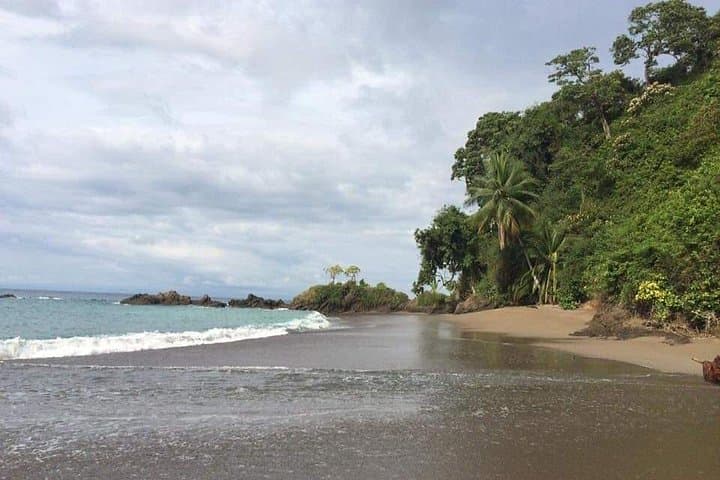
Isla del Caño is a rugged basalt outcrop shaped by ancient volcanism and the steady work of waves. Designated a biological reserve, the island preserves coral gardens and archaeological sites where pre-Columbian stone artifacts have been recovered, evidence of human connection to this shoreline. Local fishing communities on the Osa Peninsula still read the sea like a map; their knowledge informs modern guiding practices.
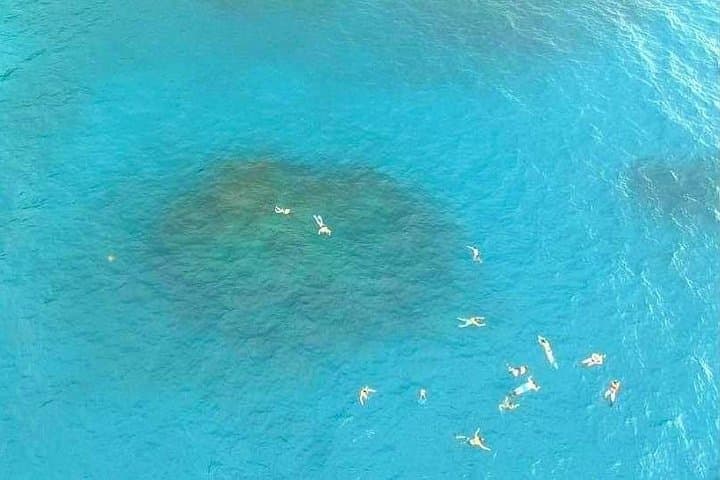
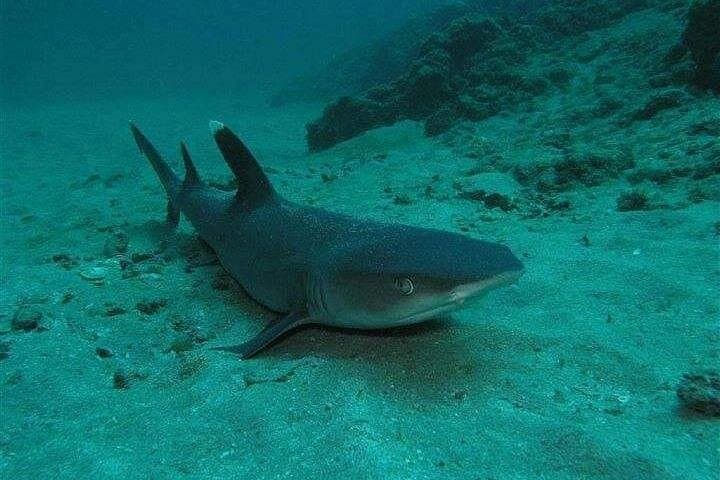
On the reef, visibility commonly reaches 20–30 meters in the dry season and marine life moves with intent: green sea turtles cruise the bottom, rays flick by, and schooling jacks test the current. The reserve’s rules limit impact — no anchoring on reefs, controlled visitor access — so snorkeling is the primary way to experience the underwater topography.
Practically, expect a 1–1.5 hour ride each way from Sierpe and roughly two snorkel sessions plus a beach lunch; total outing time is about eight hours. Guides provide masks and fins, but personal fit matters for comfort. Bring reef-safe sunscreen, moderate swim ability, and a small dry bag for cameras and essentials. Timing toward morning minimizes wind and maximizes clarity. Respect the marine reserve: don’t touch coral, avoid feeding wildlife, and follow guide instructions to keep the reef healthy for the next visitor.
easy.
8 hours.
Suitable for travelers in basic physical condition; able to swim and enter/exit small boats.
Most departures are from Sierpe; arrive early to check in—Sierpe is accessed by road from the Osa Peninsula towns or via a short taxi from nearby accommodations.
Yes—guides brief participants and provide equipment, but basic swim and snorkel comfort is recommended; instructors can offer quick tips before entering the water.
Park entrance is listed as included on this excursion; confirm inclusion on booking confirmation and carry ID for park records.
Expect reef fish, green sea turtles, and rays; dolphins may appear offshore, though sightings are not guaranteed.
Isla del Caño holds both marine biodiversity and archaeological sites with pre‑Columbian artifacts; it was declared a biological reserve to protect its underwater and cultural resources.
The area is a protected marine reserve with strict rules on anchoring and fishing—visitors are asked to minimize impact, use reef‑safe products, and follow guides to protect coral and marine life.
Agencia de Viajes Costa Rica te Enamora operates guided outdoor trips and adventures with an emphasis on safety, stewardship, and memorable experiences.
Morning light slices the gulf as a low-profile boat slips away from Sierpe, the mangrove channel narrowing until the shore falls away and the Pacific opens. Salt and river tannin mix; guides point out the Terraba-Sierpe mangrove — a living maze that guards the passage — before the hull turns toward Caño Island’s reef.
Morning light slices the gulf as a low-profile boat slips away from Sierpe, the mangrove channel narrowing until the shore falls away and the Pacific opens. Salt and river tannin mix; guides point out the Terraba-Sierpe mangrove — a living maze that guards the passage — before the hull turns toward Caño Island’s reef.
Isla del Caño is a rugged basalt outcrop shaped by ancient volcanism and the steady work of waves. Designated a biological reserve, the island preserves coral gardens and archaeological sites where pre-Columbian stone artifacts have been recovered, evidence of human connection to this shoreline. Local fishing communities on the Osa Peninsula still read the sea like a map; their knowledge informs modern guiding practices.
On the reef, visibility commonly reaches 20–30 meters in the dry season and marine life moves with intent: green sea turtles cruise the bottom, rays flick by, and schooling jacks test the current. The reserve’s rules limit impact — no anchoring on reefs, controlled visitor access — so snorkeling is the primary way to experience the underwater topography.
Practically, expect a 1–1.5 hour ride each way from Sierpe and roughly two snorkel sessions plus a beach lunch; total outing time is about eight hours. Guides provide masks and fins, but personal fit matters for comfort. Bring reef-safe sunscreen, moderate swim ability, and a small dry bag for cameras and essentials. Timing toward morning minimizes wind and maximizes clarity. Respect the marine reserve: don’t touch coral, avoid feeding wildlife, and follow guide instructions to keep the reef healthy for the next visitor.