THE ADVENTURE COLLECTIVE® · Independent discovery and booking for outdoor travel

Float where fresh groundwater meets the Caribbean on a full‑day tour from Tulum that combines snorkeling at Yalku inlet with swims through a cavern and an open cenote. Expect clear water, guided snorkeling, and a regional buffet—plus practical tips to prepare for the day.
Float where fresh groundwater meets the Caribbean on a full‑day tour from Tulum that combines snorkeling at Yalku inlet with swims through a cavern and an open cenote. Expect clear water, guided snorkeling, and a regional buffet—plus practical tips to prepare for the day.
The morning van drops you on a narrow coast road where mangroves ribbon the shoreline and the air tastes of salt and limestone. Guides hand out high‑end snorkel gear and a quick briefing; then you slip into Yalku, the inlet where fresh groundwater and the Caribbean trade places. Currents push and pull the clear water, carrying tiny silvers of fish between seagrass beds.
Verified experiences and guided adventures in the surrounding area.
Operated by Cancun Tour Outlet · Tulum, Quintana Roo
The morning van drops you on a narrow coast road where mangroves ribbon the shoreline and the air tastes of salt and limestone. Guides hand out high‑end snorkel gear and a quick briefing; then you slip into Yalku, the inlet where fresh groundwater and the Caribbean trade places. Currents push and pull the clear water, carrying tiny silvers of fish between seagrass beds.
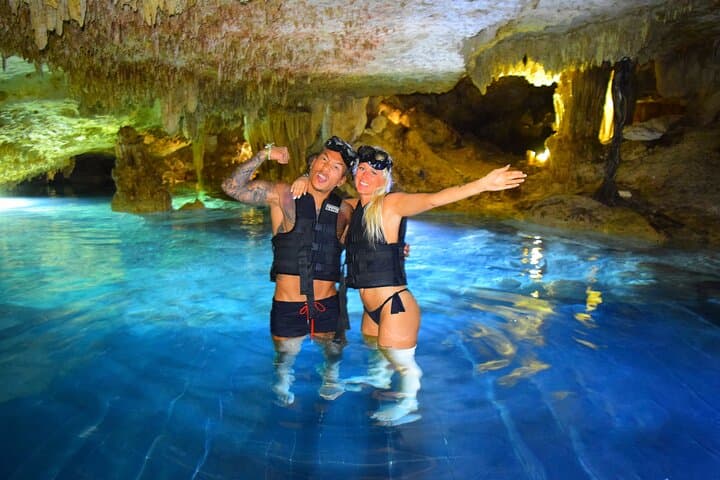
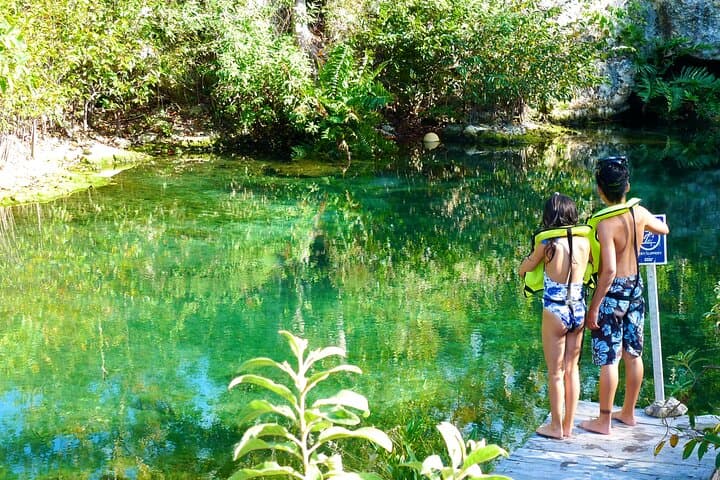
Geologically the Yucatán is an openwork of porous limestone; cenotes are sinkholes where the ceiling gives way to the groundwater below. The cavern cenote on this route shows the underground river system—soft shafts of light pick out mineral walls—while the open cenote throws reflections back at the jungle rim. Culturally, cenotes were vital to the Maya as freshwater sources and ritual spaces; locals still treat them with care.
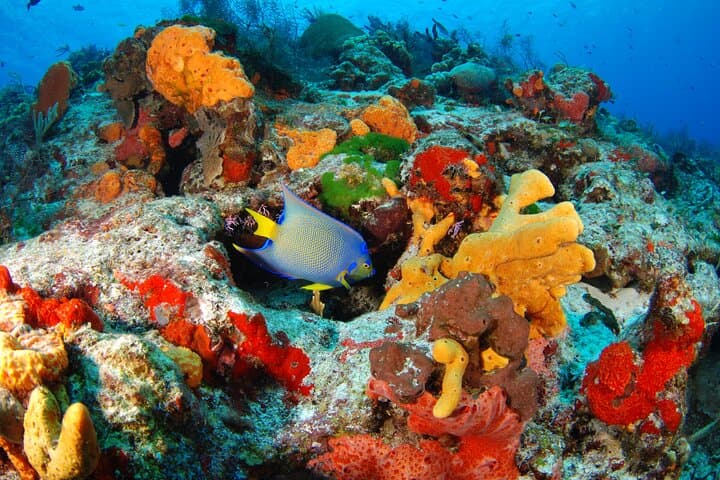
Expect biodiversity: reef and freshwater species mingle at the inlet, and the open cenote can reveal blue crawfish and shoals of small fish. Practical details are straightforward: the tour lasts about 8–9 hours with roughly 90 minutes of snorkeling at Yalku plus shorter swims in a cavern cenote and an open cenote. Snorkel equipment, bilingual guide, transport from Tulum, flavored drinks, and a regional buffet are included; a local preservation tax (~$15 USD) is extra.
Bring biodegradable sunscreen, water shoes, a quick‑dry towel, and basic swimming ability. Morning light improves visibility and keeps the crowds lighter; avoid heavy jewelry and never touch rock formations or wildlife. The day balances easy, family‑friendly water time with clear guidance on safety and conservation—an approachable way to sample the Yucatán’s freshwater and coastal contrasts.
easy.
8–9 hours.
Basic swimming ability and comfortable mobility for short walks; not strenuous but requires entering/exiting water.
The scheduled swim time at Yalku is about 90 minutes, with an additional 30 minutes for briefing and drinks.
Yes—high‑end snorkel equipment and full‑face masks are provided; prescription masks are available if requested in advance.
The tour is family‑friendly but requires basic swimming skills; infants must sit on laps and non‑swimmers should stay in shallow areas or use flotation if offered.
Yes, a local preservation tax of roughly $15 USD per person is typically required at the attractions and is not included in the tour price.
Cenotes were central to Maya life as fresh water sources and ritual sites; the limestone karst of the Yucatán created a dense network of underground rivers that sustained settlements.
Visitors are asked to use biodegradable sunscreen, avoid touching rock or wildlife, and pay a preservation fee that supports local conservation and site maintenance.
Cancun Tour Outlet operates guided outdoor trips and adventures with an emphasis on safety, stewardship, and memorable experiences.
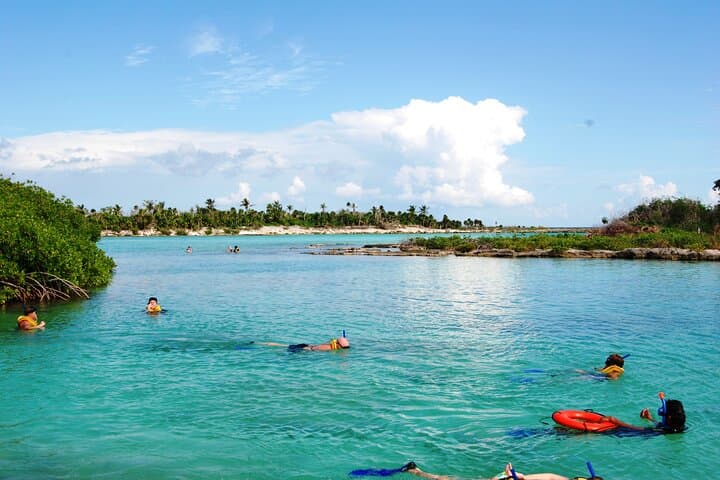
The morning van drops you on a narrow coast road where mangroves ribbon the shoreline and the air tastes of salt and limestone. Guides hand out high‑end snorkel gear and a quick briefing; then you slip into Yalku, the inlet where fresh groundwater and the Caribbean trade places. Currents push and pull the clear water, carrying tiny silvers of fish between seagrass beds.
The morning van drops you on a narrow coast road where mangroves ribbon the shoreline and the air tastes of salt and limestone. Guides hand out high‑end snorkel gear and a quick briefing; then you slip into Yalku, the inlet where fresh groundwater and the Caribbean trade places. Currents push and pull the clear water, carrying tiny silvers of fish between seagrass beds.
Geologically the Yucatán is an openwork of porous limestone; cenotes are sinkholes where the ceiling gives way to the groundwater below. The cavern cenote on this route shows the underground river system—soft shafts of light pick out mineral walls—while the open cenote throws reflections back at the jungle rim. Culturally, cenotes were vital to the Maya as freshwater sources and ritual spaces; locals still treat them with care.
Expect biodiversity: reef and freshwater species mingle at the inlet, and the open cenote can reveal blue crawfish and shoals of small fish. Practical details are straightforward: the tour lasts about 8–9 hours with roughly 90 minutes of snorkeling at Yalku plus shorter swims in a cavern cenote and an open cenote. Snorkel equipment, bilingual guide, transport from Tulum, flavored drinks, and a regional buffet are included; a local preservation tax (~$15 USD) is extra.
Bring biodegradable sunscreen, water shoes, a quick‑dry towel, and basic swimming ability. Morning light improves visibility and keeps the crowds lighter; avoid heavy jewelry and never touch rock formations or wildlife. The day balances easy, family‑friendly water time with clear guidance on safety and conservation—an approachable way to sample the Yucatán’s freshwater and coastal contrasts.