THE ADVENTURE COLLECTIVE® · Independent discovery and booking for outdoor travel

A four-hour boat loop from Nassau to Pearl Island, Green Cay, Gilligan’s Island and Rose Island that puts you face-to-face with green sea turtles and shallow coral reefs. Practical, family-friendly, and ideal for snorkelers of all experience levels.
A four-hour boat loop from Nassau to Pearl Island, Green Cay, Gilligan’s Island and Rose Island that puts you face-to-face with green sea turtles and shallow coral reefs. Practical, family-friendly, and ideal for snorkelers of all experience levels.
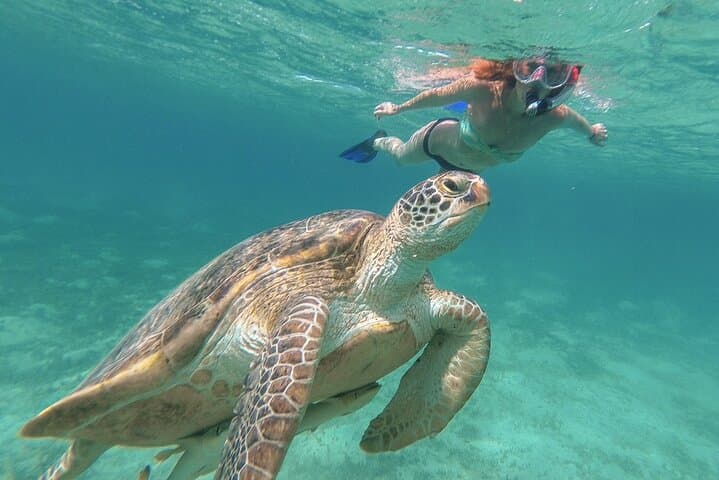
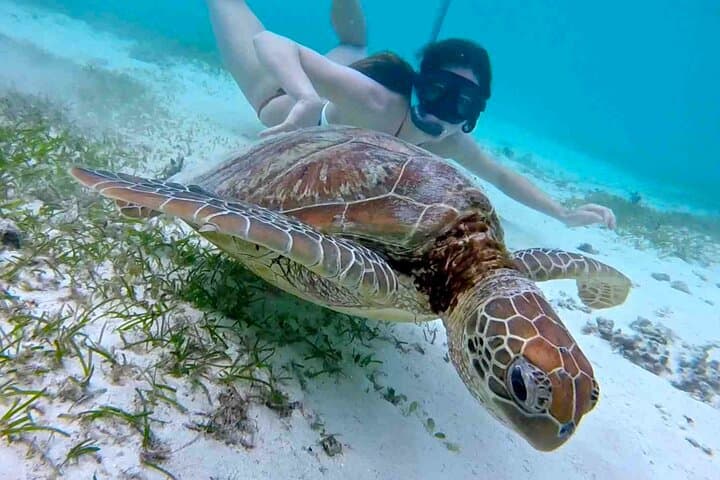
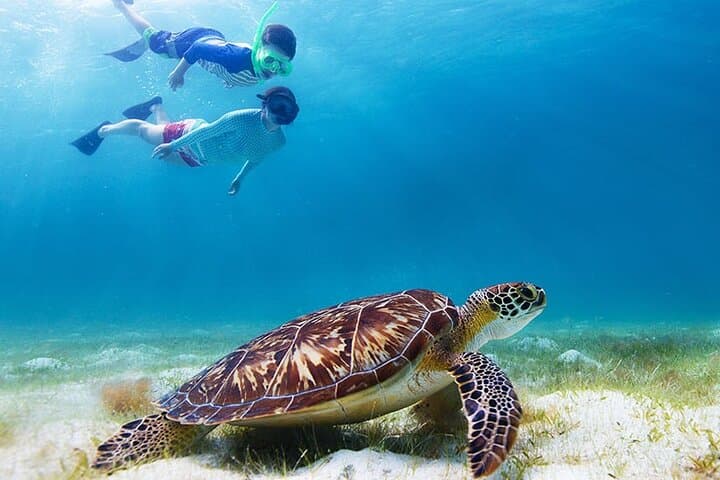
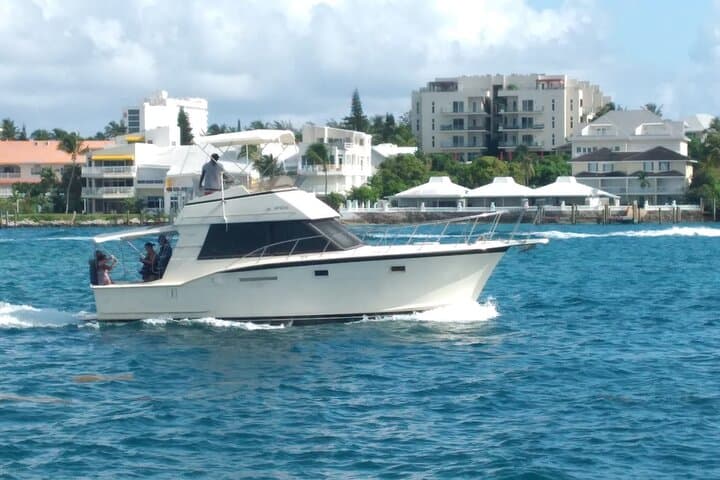
A low-slung charter slips away from Nassau harbor and the Atlantic opens like a dare: blue, warm, and moving. Within thirty minutes the engine softens and the water changes from pale to aquamarine; the captain points to a patch of seagrass where dark shapes graze below the surface. Swim ladders hit the water, masks drop into place, and the turtles—calm, curious—accept you as a slow-moving guest.
Verified experiences and guided adventures in the surrounding area.
Operated by Mutton Fish Tours · Nassau, New Providence
A low-slung charter slips away from Nassau harbor and the Atlantic opens like a dare: blue, warm, and moving. Within thirty minutes the engine softens and the water changes from pale to aquamarine; the captain points to a patch of seagrass where dark shapes graze below the surface. Swim ladders hit the water, masks drop into place, and the turtles—calm, curious—accept you as a slow-moving guest.
This half-day route threads together small islands with different characters. Pearl Island offers a shallow coral reef alive with parrotfish and wrasse; Green Cay is where green sea turtles regularly feed in eelgrass beds; Gilligan’s Island is a short sandy spit with nostalgic photo ops; and Rose Island delivers a protected beach and lunch on white sand. Geologically these cays are carbonate platforms—shelves of coral and sand built atop ancient reef—so expect flat reef flats, low-profile beaches, and shallow snorkel depths between 3–12 feet.
Culturally, boat-based excursions are part of Nassau’s seaside life—local captains, quick lunches, and stories about shipwrecks and fishermen. Practically: snorkeling equipment and life jackets are provided, and the whole tour runs about four hours with roughly 30–60 minutes at each stop. Plan for sun and reflection off the water—reef-safe sunscreen, a long-sleeve rash guard, and stable footwear for boarding.
For first-time snorkelers, move slowly near turtles and avoid chasing them; the best encounters come from patience. Hydrate, secure loose items, and listen to the crew’s briefings—this keeps fragile reefs intact and ensures you leave with good photos and a cleaner ocean.
easy.
4 hours.
Suitable for most fitness levels; participants should be comfortable entering/exiting a small boat and swimming short distances.
Yes—snorkeling equipment and safety jackets are provided; staff will fit masks and brief participants on safe snorkeling and boat reboarding.
Turtles are wild and approaches vary; maintain several feet, move slowly, and let them choose whether to swim closer—do not touch or chase them.
The trip is family-friendly; life jackets are provided and non-swimmers can observe from the boat, but basic comfort in the water is recommended for snorkeling stops.
Full refunds are available if you cancel at least 24 hours before departure; the operator may cancel for bad weather with a full refund as well.
Rose Island and nearby cays have long been used by Bahamian boaters and have traces of early colonial-era navigation routes; small islands often served as stopovers for fishermen and tradesmen.
These reefs are sensitive—use reef-safe products, avoid standing on coral, and follow crew guidance to minimize disturbance to turtles and seagrass beds.
Mutton Fish Tours operates guided outdoor trips and adventures with an emphasis on safety, stewardship, and memorable experiences.
A low-slung charter slips away from Nassau harbor and the Atlantic opens like a dare: blue, warm, and moving. Within thirty minutes the engine softens and the water changes from pale to aquamarine; the captain points to a patch of seagrass where dark shapes graze below the surface. Swim ladders hit the water, masks drop into place, and the turtles—calm, curious—accept you as a slow-moving guest.
A low-slung charter slips away from Nassau harbor and the Atlantic opens like a dare: blue, warm, and moving. Within thirty minutes the engine softens and the water changes from pale to aquamarine; the captain points to a patch of seagrass where dark shapes graze below the surface. Swim ladders hit the water, masks drop into place, and the turtles—calm, curious—accept you as a slow-moving guest.
This half-day route threads together small islands with different characters. Pearl Island offers a shallow coral reef alive with parrotfish and wrasse; Green Cay is where green sea turtles regularly feed in eelgrass beds; Gilligan’s Island is a short sandy spit with nostalgic photo ops; and Rose Island delivers a protected beach and lunch on white sand. Geologically these cays are carbonate platforms—shelves of coral and sand built atop ancient reef—so expect flat reef flats, low-profile beaches, and shallow snorkel depths between 3–12 feet.
Culturally, boat-based excursions are part of Nassau’s seaside life—local captains, quick lunches, and stories about shipwrecks and fishermen. Practically: snorkeling equipment and life jackets are provided, and the whole tour runs about four hours with roughly 30–60 minutes at each stop. Plan for sun and reflection off the water—reef-safe sunscreen, a long-sleeve rash guard, and stable footwear for boarding.
For first-time snorkelers, move slowly near turtles and avoid chasing them; the best encounters come from patience. Hydrate, secure loose items, and listen to the crew’s briefings—this keeps fragile reefs intact and ensures you leave with good photos and a cleaner ocean.