THE ADVENTURE COLLECTIVE® · Independent discovery and booking for outdoor travel

Wade in at Te Amo Beach, follow a PADI instructor across shallow reef, and watch sea turtles move through coral gardens before a short drive to flamingo flats. This guided shore-entry snorkel blends hands-off wildlife viewing with clear practical guidance for first-time open-water snorkelers.
Wade in at Te Amo Beach, follow a PADI instructor across shallow reef, and watch sea turtles move through coral gardens before a short drive to flamingo flats. This guided shore-entry snorkel blends hands-off wildlife viewing with clear practical guidance for first-time open-water snorkelers.
A flat swell laps the shore at Te Amo Beach as the guide checks fins and points to a distant sandflat where flamingos gather. You step off the small shore entry into clear, Caribbean-blue water; the current nudges you forward and the reef opens like a living wall. Within minutes the slow-eyed sea turtles appear, deliberate and unbothered, grazing on seagrass while schools of parrotfish flash through coral fingers.
Verified experiences and guided adventures in the surrounding area.
Operated by Amazing Bonaire · Kralendijk, Bonaire
A flat swell laps the shore at Te Amo Beach as the guide checks fins and points to a distant sandflat where flamingos gather. You step off the small shore entry into clear, Caribbean-blue water; the current nudges you forward and the reef opens like a living wall. Within minutes the slow-eyed sea turtles appear, deliberate and unbothered, grazing on seagrass while schools of parrotfish flash through coral fingers.
Bonaire's coastline is shaped by uplifted limestone and coral platforms — the island’s shores are older reef pushed above sea level, then skirted by living reefs. Kralendijk grew as a salt and trading port; today the island’s economy and culture still revolve around the sea. Flamingos concentrate on salt flats and shallow lagoons just inland, a short drive from Te Amo, where wind and salt create the flats they favor.
Expect a guided shore-entry snorkel led by a PADI instructor with two decades’ experience, a 15-minute drive to flamingo viewing, and about 2½ hours total. The operator does not feed wildlife and emphasizes no-touch, no-chase rules — both to protect coral and to keep encounters authentic. Practically: wear reef-safe sunscreen, bring water and a light long-sleeve rashguard for sun and brushing past coral, and tell the guide if you want a gentler route with less swimming. If weather or seas prevent visiting the primary site, guides typically offer an alternate snorkel spot with good marine life. This trip balances approachable adventure with solid natural history commentary — good for snorkelers comfortable in open water who want close, ethical wildlife viewing.
moderate.
2–3 hours.
Moderate; comfortable treading and swimming in open water for shorter intervals and able to follow brief surface swims
Very likely at the known turtle sites, but sightings aren’t guaranteed — guides don’t feed or attract wildlife, so encounters depend on animal behavior.
Yes; the flamingo viewing area is a short drive and allows safe, non-intrusive observation from the shore or designated viewpoints.
No — the trip is suitable for most fitness levels, but you should be comfortable in open water and able to swim short distances.
If conditions prevent visiting the primary site, the operator will move to an alternate snorkel location or offer rescheduling per the cancellation policy.
Bonaire’s coast reflects its history as a salt-producing island and Dutch Caribbean port; many shoreline areas evolved around old salt works and fishing communities.
Operators emphasize hands-off wildlife viewing and reef-safe sunscreen; avoid touching coral and use mooring buoys where available to protect reef structure.
Amazing Bonaire operates guided outdoor trips and adventures with an emphasis on safety, stewardship, and memorable experiences.
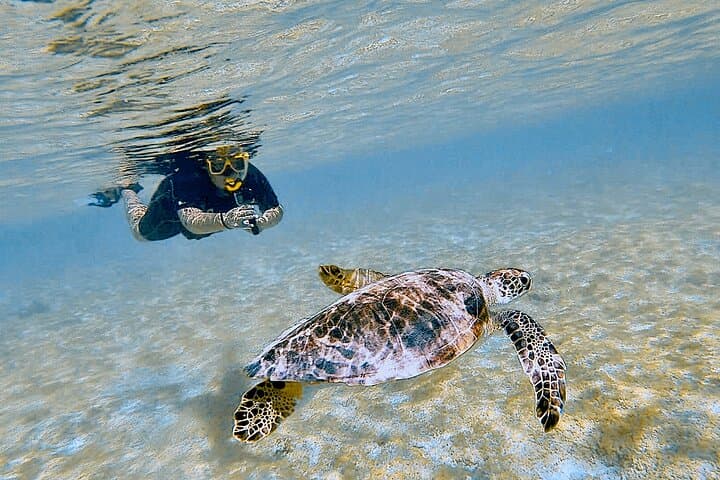
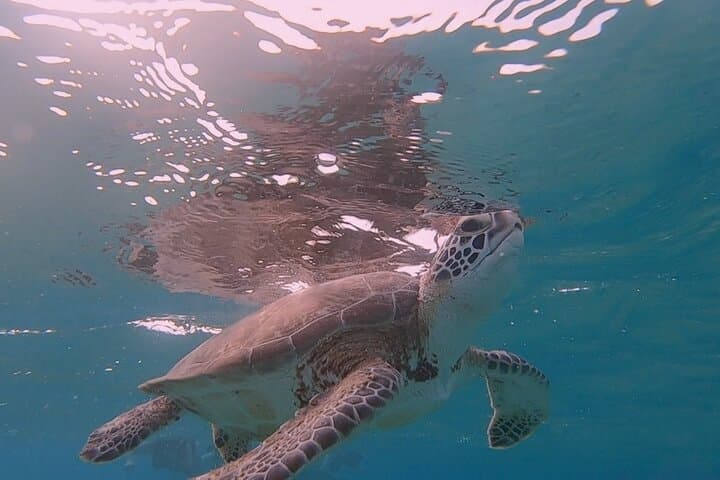
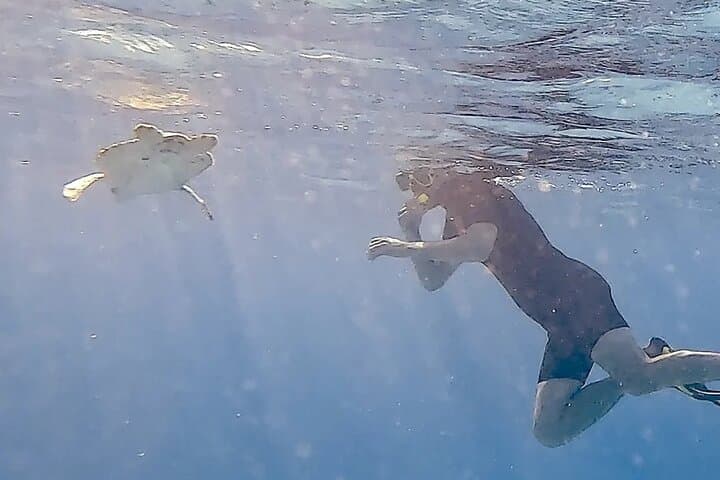
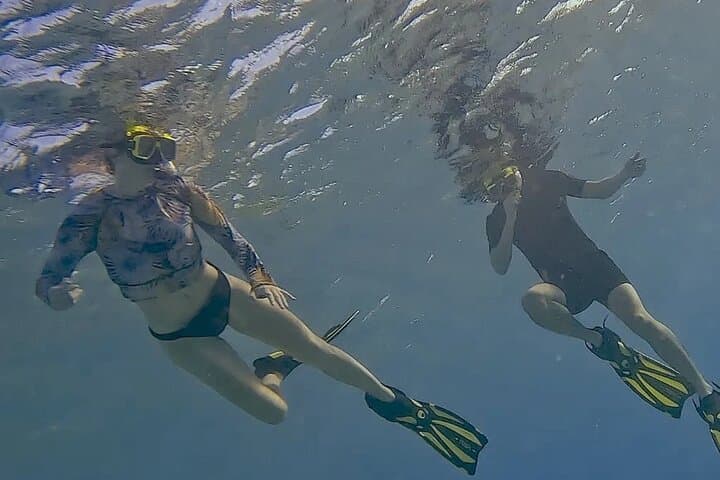
A flat swell laps the shore at Te Amo Beach as the guide checks fins and points to a distant sandflat where flamingos gather. You step off the small shore entry into clear, Caribbean-blue water; the current nudges you forward and the reef opens like a living wall. Within minutes the slow-eyed sea turtles appear, deliberate and unbothered, grazing on seagrass while schools of parrotfish flash through coral fingers.
A flat swell laps the shore at Te Amo Beach as the guide checks fins and points to a distant sandflat where flamingos gather. You step off the small shore entry into clear, Caribbean-blue water; the current nudges you forward and the reef opens like a living wall. Within minutes the slow-eyed sea turtles appear, deliberate and unbothered, grazing on seagrass while schools of parrotfish flash through coral fingers.
Bonaire's coastline is shaped by uplifted limestone and coral platforms — the island’s shores are older reef pushed above sea level, then skirted by living reefs. Kralendijk grew as a salt and trading port; today the island’s economy and culture still revolve around the sea. Flamingos concentrate on salt flats and shallow lagoons just inland, a short drive from Te Amo, where wind and salt create the flats they favor.
Expect a guided shore-entry snorkel led by a PADI instructor with two decades’ experience, a 15-minute drive to flamingo viewing, and about 2½ hours total. The operator does not feed wildlife and emphasizes no-touch, no-chase rules — both to protect coral and to keep encounters authentic. Practically: wear reef-safe sunscreen, bring water and a light long-sleeve rashguard for sun and brushing past coral, and tell the guide if you want a gentler route with less swimming. If weather or seas prevent visiting the primary site, guides typically offer an alternate snorkel spot with good marine life. This trip balances approachable adventure with solid natural history commentary — good for snorkelers comfortable in open water who want close, ethical wildlife viewing.