THE ADVENTURE COLLECTIVE® · Independent discovery and booking for outdoor travel

Swim with green turtles along a shallow Caribbean reef, then descend into a crystal cenote framed by tropical jungle. This guided half-day tour blends marine wildlife encounters with a unique underground swim—perfect for travelers with basic snorkeling skills.
Swim with green turtles along a shallow Caribbean reef, then descend into a crystal cenote framed by tropical jungle. This guided half-day tour blends marine wildlife encounters with a unique underground swim—perfect for travelers with basic snorkeling skills.
You step off the shaded minivan into a warm, salt-scented breeze; the Caribbean ahead flashes turquoise, while jungle humidity clings to the air like a promise. The morning begins on a shallow reef where green turtles glide through seagrass—unhurried, curious—inviting you into their world as currents nudge you along.
Verified experiences and guided adventures in the surrounding area.
Operated by SCUBA LIBRE · Playa del Carmen, Quintana Roo
You step off the shaded minivan into a warm, salt-scented breeze; the Caribbean ahead flashes turquoise, while jungle humidity clings to the air like a promise. The morning begins on a shallow reef where green turtles glide through seagrass—unhurried, curious—inviting you into their world as currents nudge you along.
The region sits on a limestone platform carved by ancient groundwater. Cenotes are collapsed cave passages where light pours through a roof gap and water hangs still and clear; the Maya considered these openings sacred sources of life and ritual. The reef, part of the Mesoamerican Barrier, is built from coral colonies and sheltered bays where turtles graze and parrotfish polish the reef surface.
Culturally, this is coastal Quintana Roo: small fishing villages, Mayan heritage, and a tourism corridor that balances access with fragile ecosystems. Expect bilingual guides who explain local customs and environmental rules.
Practically: trips combine a shallow-reef snorkel and a guided cenote swim. Water temperatures vary by season; wetsuits are provided for the cenote. Snorkel routes are generally calm and suitable for people with basic swimming skills, but visibility and currents change with tides and weather. Keep distance from turtles, use reef-safe sunscreen, and wear water shoes for the cenote approach.
Timing matters—early departures mean quieter sites and better visibility. Bring a waterproof camera, hydrate before you go, and listen to the briefing: the guides know the tides, entrances, and the social rules that protect this place. The experience pairs close wildlife encounters with the still, echoing geometry of an underground pool—equal parts marine life and subterranean calm.
moderate.
3.5–4 hours.
Basic swimming ability and comfort in open water; able to climb in/out of small boats and uneven cenote steps.
Yes—participants should have basic swimming skills and be comfortable snorkeling in shallow open water; guides stay nearby and provide flotation when needed.
Yes—snorkel equipment and a wetsuit for the cenote are provided per the tour inclusions.
Turtles are common in the bay but wildlife sightings cannot be guaranteed; guides pick known feeding areas to maximize chances.
This activity is listed as all sales final; check the operator’s policy before booking because refunds are generally not offered for cancellations.
Cenotes were sacred to the Maya and served as drinking-water sources and ritual spaces; the coastal reef has supported fishing communities for generations.
Operators often enforce no-touch rules and require reef-safe sunscreen; maintain distance from turtles and avoid standing on coral to reduce impact.
SCUBA LIBRE operates guided outdoor trips and adventures with an emphasis on safety, stewardship, and memorable experiences.
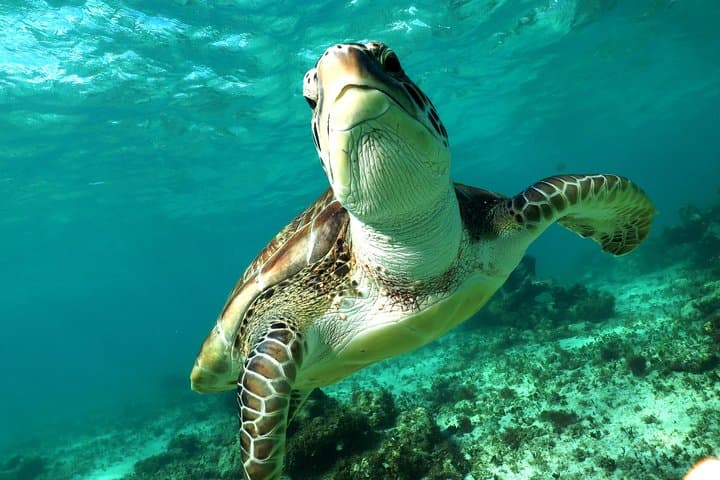
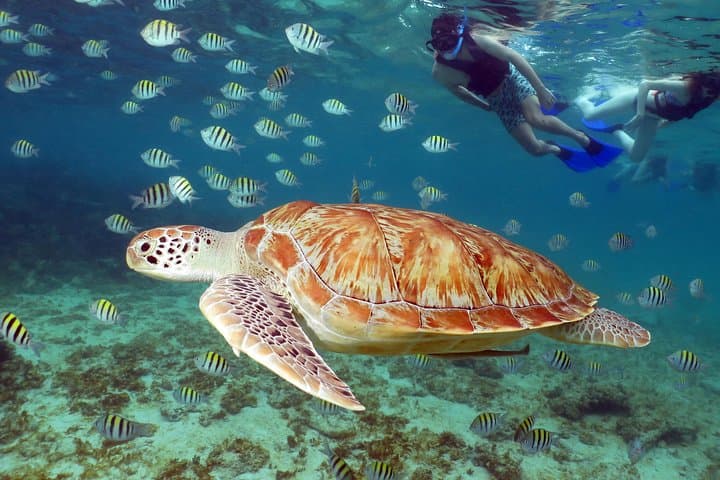
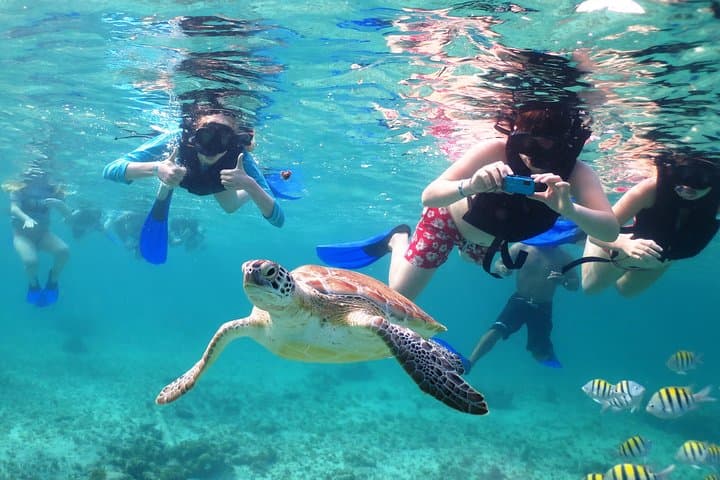
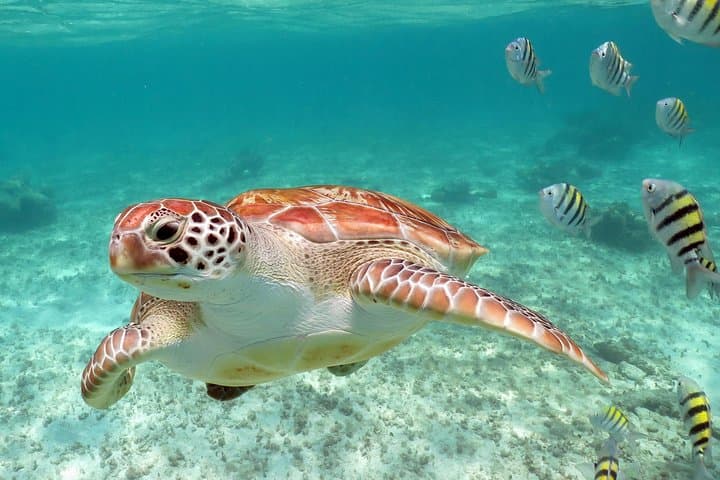
You step off the shaded minivan into a warm, salt-scented breeze; the Caribbean ahead flashes turquoise, while jungle humidity clings to the air like a promise. The morning begins on a shallow reef where green turtles glide through seagrass—unhurried, curious—inviting you into their world as currents nudge you along.
You step off the shaded minivan into a warm, salt-scented breeze; the Caribbean ahead flashes turquoise, while jungle humidity clings to the air like a promise. The morning begins on a shallow reef where green turtles glide through seagrass—unhurried, curious—inviting you into their world as currents nudge you along.
The region sits on a limestone platform carved by ancient groundwater. Cenotes are collapsed cave passages where light pours through a roof gap and water hangs still and clear; the Maya considered these openings sacred sources of life and ritual. The reef, part of the Mesoamerican Barrier, is built from coral colonies and sheltered bays where turtles graze and parrotfish polish the reef surface.
Culturally, this is coastal Quintana Roo: small fishing villages, Mayan heritage, and a tourism corridor that balances access with fragile ecosystems. Expect bilingual guides who explain local customs and environmental rules.
Practically: trips combine a shallow-reef snorkel and a guided cenote swim. Water temperatures vary by season; wetsuits are provided for the cenote. Snorkel routes are generally calm and suitable for people with basic swimming skills, but visibility and currents change with tides and weather. Keep distance from turtles, use reef-safe sunscreen, and wear water shoes for the cenote approach.
Timing matters—early departures mean quieter sites and better visibility. Bring a waterproof camera, hydrate before you go, and listen to the briefing: the guides know the tides, entrances, and the social rules that protect this place. The experience pairs close wildlife encounters with the still, echoing geometry of an underground pool—equal parts marine life and subterranean calm.