THE ADVENTURE COLLECTIVE® · Independent discovery and booking for outdoor travel

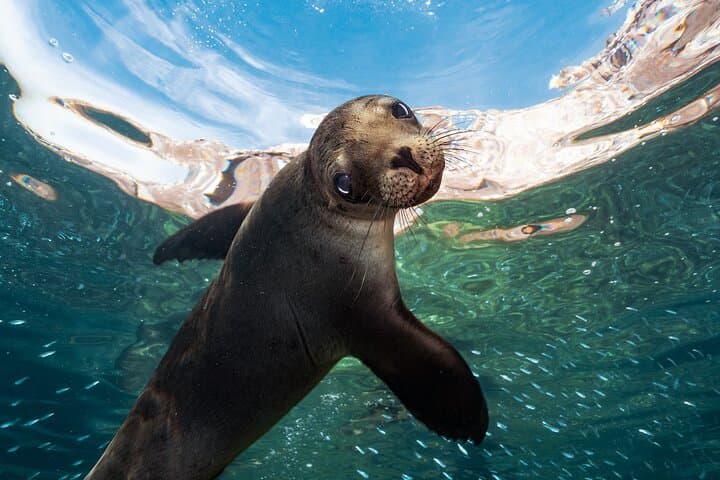
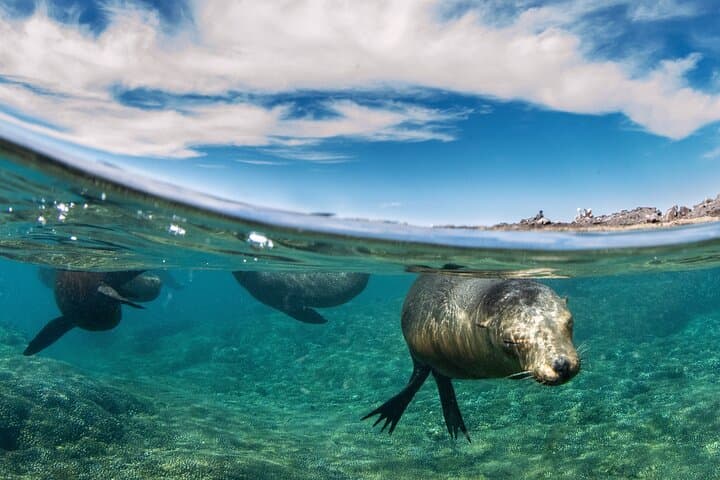
Board a day boat from La Paz to Espiritu Santo Island for snorkeling with curious sea lions, beach ceviche, and short coastal hikes. This full-day trip combines wildlife encounters and coastal geology with local-guided interpretation.
Board a day boat from La Paz to Espiritu Santo Island for snorkeling with curious sea lions, beach ceviche, and short coastal hikes. This full-day trip combines wildlife encounters and coastal geology with local-guided interpretation.
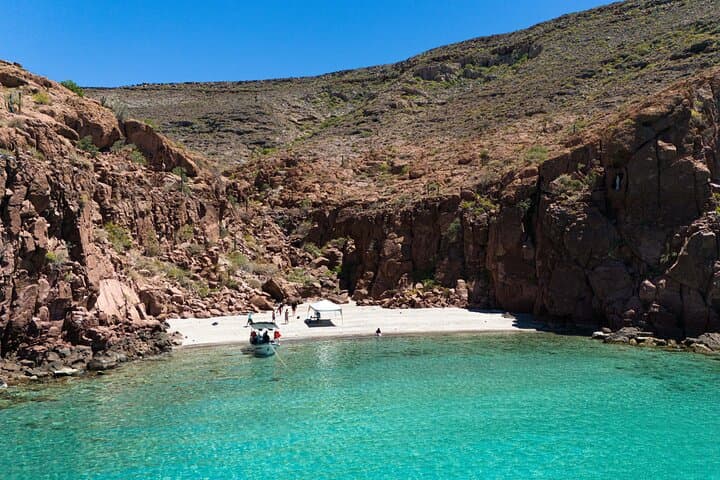
A small pang of salt hits the air as the skiff slips away from La Paz and the city shrinks into a low ribbon of buildings. Within thirty minutes the water changes color—clear, cool turquoise that seems to dare you to dive in. On Espiritu Santo Island, limestone cliffs and volcanic outcrops drop into the Gulf of California, and coves ringed by sand and scrub invite close-up encounters with the sea.
Verified experiences and guided adventures in the surrounding area.
Operated by Mexico Travel Adventure · La Paz, Baja California Sur
A small pang of salt hits the air as the skiff slips away from La Paz and the city shrinks into a low ribbon of buildings. Within thirty minutes the water changes color—clear, cool turquoise that seems to dare you to dive in. On Espiritu Santo Island, limestone cliffs and volcanic outcrops drop into the Gulf of California, and coves ringed by sand and scrub invite close-up encounters with the sea.
The island has long been a waypoint for Seri and Cochimi peoples and later for pearl divers; vestiges of an abandoned pearl farm and old camps dot sheltered bays. Geologically, the island is part of the Baja microplate—rock scarred by uplift and wave erosion—creating caves, arches, and reefs that attract schooling fish and the sea lions that make Los Islotes their rookery.
Culturally, local guides—often marine-biology trained—mix natural history with practical stewardship: how currents shape feeding grounds, where bird colonies roost, and when to give wildlife space. Expect to visit a rookery (viewing or snorkeling near sea lions depending on season), a sandy beach lunch with ceviche, mangrove inlets, and short hikes to overlooks.
Practical guidance: trips run as full-day boat excursions (roughly 7 hours). Bring reef-safe sunscreen, a lightweight wind layer, and water shoes for rocky landings; snorkeling equipment is provided but many prefer their own mask. Note that June–August access to the sea lion rookery is restricted for breeding—operators will choose alternate snorkeling reefs then. Hydration, steady footing during wet transfers, and respect for wildlife distance make the day safe and memorable.
moderate.
7 hours.
Moderate fitness; able to climb in/out of a small boat, swim short distances, and manage uneven ground for brief hikes.
Yes—operators supply snorkeling equipment and life jackets; you may bring your own mask for a better fit.
Children are allowed but must follow safety rules and may need to sit on laps for infants; ask operator about minimum ages.
No—during the reproductive season (typically June–August) direct snorkeling with the rookery is restricted; guides visit alternate reefs and view the colony from the boat.
Trips can be canceled for rough seas; operators typically offer refunds or rescheduling per their cancellation policy.
Espiritu Santo supported pearl-fishing and small fishing camps; remnants of an abandoned pearl farm and older encampments reflect the island's maritime past.
Access is limited to permitted boats and certified guides to reduce human impact; visitors are encouraged to use reef-safe products and avoid touching wildlife.
Mexico Travel Adventure operates guided outdoor trips and adventures with an emphasis on safety, stewardship, and memorable experiences.

A small pang of salt hits the air as the skiff slips away from La Paz and the city shrinks into a low ribbon of buildings. Within thirty minutes the water changes color—clear, cool turquoise that seems to dare you to dive in. On Espiritu Santo Island, limestone cliffs and volcanic outcrops drop into the Gulf of California, and coves ringed by sand and scrub invite close-up encounters with the sea.
A small pang of salt hits the air as the skiff slips away from La Paz and the city shrinks into a low ribbon of buildings. Within thirty minutes the water changes color—clear, cool turquoise that seems to dare you to dive in. On Espiritu Santo Island, limestone cliffs and volcanic outcrops drop into the Gulf of California, and coves ringed by sand and scrub invite close-up encounters with the sea.
The island has long been a waypoint for Seri and Cochimi peoples and later for pearl divers; vestiges of an abandoned pearl farm and old camps dot sheltered bays. Geologically, the island is part of the Baja microplate—rock scarred by uplift and wave erosion—creating caves, arches, and reefs that attract schooling fish and the sea lions that make Los Islotes their rookery.
Culturally, local guides—often marine-biology trained—mix natural history with practical stewardship: how currents shape feeding grounds, where bird colonies roost, and when to give wildlife space. Expect to visit a rookery (viewing or snorkeling near sea lions depending on season), a sandy beach lunch with ceviche, mangrove inlets, and short hikes to overlooks.
Practical guidance: trips run as full-day boat excursions (roughly 7 hours). Bring reef-safe sunscreen, a lightweight wind layer, and water shoes for rocky landings; snorkeling equipment is provided but many prefer their own mask. Note that June–August access to the sea lion rookery is restricted for breeding—operators will choose alternate snorkeling reefs then. Hydration, steady footing during wet transfers, and respect for wildlife distance make the day safe and memorable.