THE ADVENTURE COLLECTIVE® · Independent discovery and booking for outdoor travel

Head to Nusa Penida for a half-day snorkeling trip to Manta Point and Manta Bay—one of Bali’s best chances to see reef manta rays up close. This practical guide explains what to expect, local context, and how to prepare for the water and currents.
Head to Nusa Penida for a half-day snorkeling trip to Manta Point and Manta Bay—one of Bali’s best chances to see reef manta rays up close. This practical guide explains what to expect, local context, and how to prepare for the water and currents.
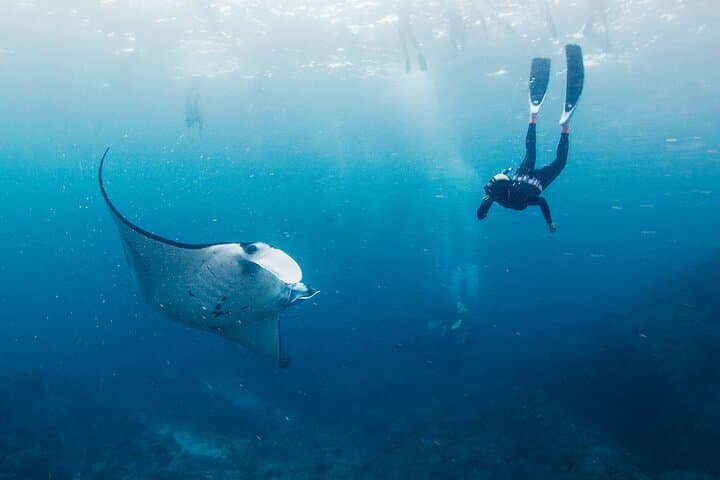
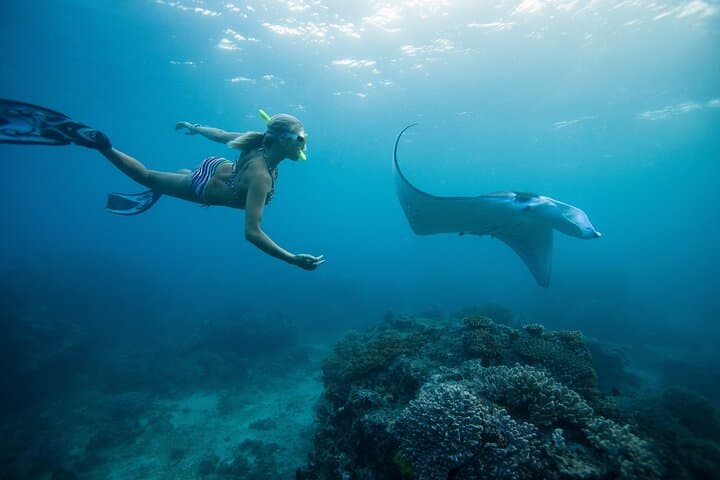
The boat slips away from the harbor and Bali’s coastline slides behind you; salt air sharpens the light and the ocean opens into a flat, blue stage. Around an hour later the skipper slows, points, and the water fills with long, slow shadows—manta rays cruising like living wings beneath the surface.
Verified experiences and guided adventures in the surrounding area.
Operated by Kay Family Bali · Nusa Penida, Bali
The boat slips away from the harbor and Bali’s coastline slides behind you; salt air sharpens the light and the ocean opens into a flat, blue stage. Around an hour later the skipper slows, points, and the water fills with long, slow shadows—manta rays cruising like living wings beneath the surface.
Nusa Penida sits on the rim of the Indo-Australian and Eurasian plate interaction, where currents bring nutrient-rich water that attracts plankton—and with it the giant mantas. The island’s human story is equally rugged: small fishing villages, ancient Balinese temples, and a culture shaped by strong sea ties. Geologically, the island’s cliffs and coral gardens were sculpted by volcanic uplift and ocean currents; the reefs here are younger and more exposed than Bali’s sheltered western bays.
Expect two snorkeling stops: the open-water cleaning stations frequented by reef manta rays and a second reef site—often Crystal Bay—rich with hard and soft corals and schooling fish. Guides keep you at the surface, and life jackets make the encounter accessible to most swimmers; strong currents can appear, so guide direction is steady and practical.
Plan for sun, short boat transfers, and the possibility of choppy water. Bring reef-safe sunscreen, a snug mask, and a lightweight layer for the ride back. Respect the animals: no chasing, no touching. With proper preparation, this half-day trip delivers one of the most immediate and humbling wildlife encounters in the Coral Triangle.
moderate.
4–5 hours.
Moderate fitness—comfortable swimming and basic snorkeling ability recommended; must be able to float and follow guide instructions.
Sightings are very common—operators report manta encounters most days, but wildlife is never guaranteed; weather and ocean conditions can affect sightings.
Yes—guides provide life jackets and surface snorkeling is the norm, but participants should be comfortable with water and able to follow safety instructions.
This tour is not recommended for pregnant travelers, people with serious heart conditions, or those with spinal injuries; check with the operator if unsure.
Full refund if you cancel at least 24 hours before departure; same-day cancellations are generally non-refundable—confirm specifics with your booking provider.
Nusa Penida is part of the Bali Regency with deep Hindu traditions and small fishing communities; island temples and ritual sites reflect a long coastal cultural link.
Operators encourage no-touch policies, use of reef-safe sunscreen, and keeping distance from cleaning stations to minimize stress to mantas and reef damage.
Kay Family Bali operates guided outdoor trips and adventures with an emphasis on safety, stewardship, and memorable experiences.


The boat slips away from the harbor and Bali’s coastline slides behind you; salt air sharpens the light and the ocean opens into a flat, blue stage. Around an hour later the skipper slows, points, and the water fills with long, slow shadows—manta rays cruising like living wings beneath the surface.
The boat slips away from the harbor and Bali’s coastline slides behind you; salt air sharpens the light and the ocean opens into a flat, blue stage. Around an hour later the skipper slows, points, and the water fills with long, slow shadows—manta rays cruising like living wings beneath the surface.
Nusa Penida sits on the rim of the Indo-Australian and Eurasian plate interaction, where currents bring nutrient-rich water that attracts plankton—and with it the giant mantas. The island’s human story is equally rugged: small fishing villages, ancient Balinese temples, and a culture shaped by strong sea ties. Geologically, the island’s cliffs and coral gardens were sculpted by volcanic uplift and ocean currents; the reefs here are younger and more exposed than Bali’s sheltered western bays.
Expect two snorkeling stops: the open-water cleaning stations frequented by reef manta rays and a second reef site—often Crystal Bay—rich with hard and soft corals and schooling fish. Guides keep you at the surface, and life jackets make the encounter accessible to most swimmers; strong currents can appear, so guide direction is steady and practical.
Plan for sun, short boat transfers, and the possibility of choppy water. Bring reef-safe sunscreen, a snug mask, and a lightweight layer for the ride back. Respect the animals: no chasing, no touching. With proper preparation, this half-day trip delivers one of the most immediate and humbling wildlife encounters in the Coral Triangle.