THE ADVENTURE COLLECTIVE® · Independent discovery and booking for outdoor travel

Swim alongside giant manta rays in the nutrient-rich waters off Nusa Penida. This practical guide outlines what to expect at Manta Point, local context, and essential tips to prepare for a safe, unforgettable snorkel.
Swim alongside giant manta rays in the nutrient-rich waters off Nusa Penida. This practical guide outlines what to expect at Manta Point, local context, and essential tips to prepare for a safe, unforgettable snorkel.
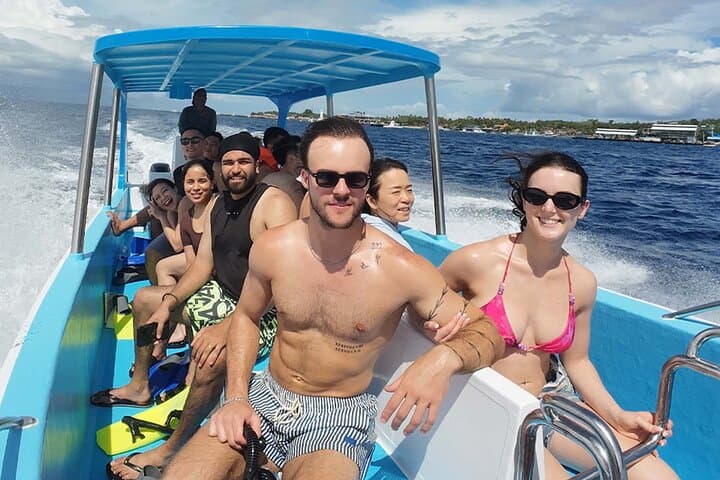
You push off from the slim wooden boat and the sea opens: a glassy plain broken by whorls of white foam where reefs slope down into blue. At Manta Point the water shifts from bright turquoise to a deep, breath-taking navy—the current takes the lead and you follow, mask on, fins cutting through a world that seems constructed for the manta’s slow ballet.
Verified experiences and guided adventures in the surrounding area.
Operated by Manta Fish Snorkeling · Toya Pakeh, Bali
You push off from the slim wooden boat and the sea opens: a glassy plain broken by whorls of white foam where reefs slope down into blue. At Manta Point the water shifts from bright turquoise to a deep, breath-taking navy—the current takes the lead and you follow, mask on, fins cutting through a world that seems constructed for the manta’s slow ballet.
Manta Point lies off the southwest coast of Nusa Penida, an island shaped by volcanic uplift and relentless ocean. The sand and limestone cliffs onshore tell a geologic story of coral being pushed skyward; offshore, currents bring nutrient-rich water that draws the giant mantas. Local fishing villages have long read the rhythms of these waters, and in recent years community-run snorkeling operators have built a reputation for responsible encounters.
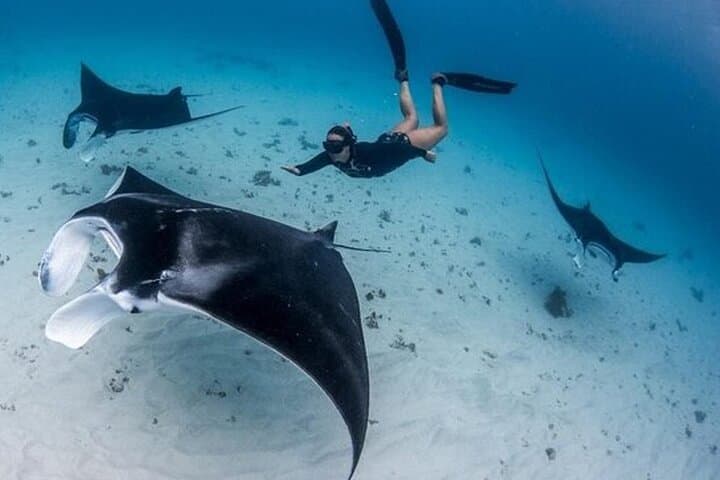
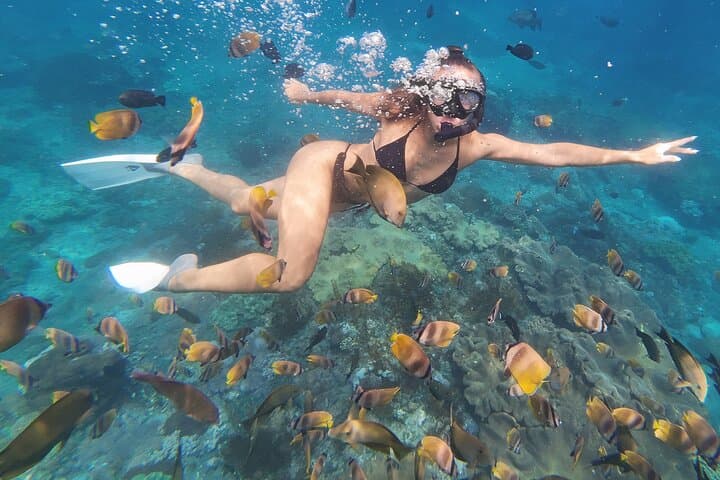
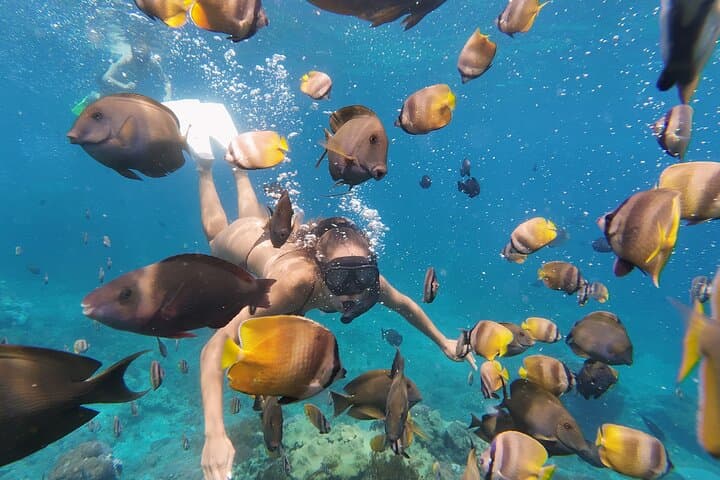
Expect two main stops: the cleaning stations where mantas glide overhead, and a coral garden alive with parrotfish, butterflyfish and hard corals. Guides brief the group, provide life jackets and point out marine behavior—mantas loop and somersault while cleaner wrasse pick at their bellies.
Practical notes: book a morning slot for calmer seas and clearer visibility, bring a well-fitting mask and reef-safe sunscreen, and know how to clear your snorkel. Maintain distance from mantas and avoid chasing; the best sightings are calm, patient, and free of flash. The trip typically lasts about 2.5 hours total—enough time to see the rays and return with photos, salt-stung hair and a clearer idea of why these waters matter.
moderate.
2–3 hours.
Moderate—able to swim 100+ meters comfortably and handle light currents
Manta sightings are common at the cleaning stations, especially on calm days—morning trips increase the odds but sightings are never guaranteed.
Basic snorkeling experience is recommended; operators provide life jackets and a briefing, and beginners are usually guided in shallow areas first.
Children can join if they are confident swimmers and accompanied by an adult; check operator age limits and life jacket availability.
Operators monitor sea state and may cancel in unsafe conditions—if you have back, heart, or pregnancy concerns, this activity is not recommended.
Nusa Penida’s communities have long relied on fishing and seaweed farming; traditional Balinese customs and small temples dot the coastline.
Manta populations are protected regionally and operators follow no-touch guidelines; choose tours that support reef cleanups and local conservation initiatives.
Manta Fish Snorkeling operates guided outdoor trips and adventures with an emphasis on safety, stewardship, and memorable experiences.
You push off from the slim wooden boat and the sea opens: a glassy plain broken by whorls of white foam where reefs slope down into blue. At Manta Point the water shifts from bright turquoise to a deep, breath-taking navy—the current takes the lead and you follow, mask on, fins cutting through a world that seems constructed for the manta’s slow ballet.
You push off from the slim wooden boat and the sea opens: a glassy plain broken by whorls of white foam where reefs slope down into blue. At Manta Point the water shifts from bright turquoise to a deep, breath-taking navy—the current takes the lead and you follow, mask on, fins cutting through a world that seems constructed for the manta’s slow ballet.
Manta Point lies off the southwest coast of Nusa Penida, an island shaped by volcanic uplift and relentless ocean. The sand and limestone cliffs onshore tell a geologic story of coral being pushed skyward; offshore, currents bring nutrient-rich water that draws the giant mantas. Local fishing villages have long read the rhythms of these waters, and in recent years community-run snorkeling operators have built a reputation for responsible encounters.
Expect two main stops: the cleaning stations where mantas glide overhead, and a coral garden alive with parrotfish, butterflyfish and hard corals. Guides brief the group, provide life jackets and point out marine behavior—mantas loop and somersault while cleaner wrasse pick at their bellies.
Practical notes: book a morning slot for calmer seas and clearer visibility, bring a well-fitting mask and reef-safe sunscreen, and know how to clear your snorkel. Maintain distance from mantas and avoid chasing; the best sightings are calm, patient, and free of flash. The trip typically lasts about 2.5 hours total—enough time to see the rays and return with photos, salt-stung hair and a clearer idea of why these waters matter.