THE ADVENTURE COLLECTIVE® · Independent discovery and booking for outdoor travel

Float among feeding sea turtles on the Akumal reef, then step into an underground cenote to swim beneath stalactites — a half-day pairing that highlights the Yucatán’s marine and karst landscapes. Practical, guided, and suitable for most swimmers.
Float among feeding sea turtles on the Akumal reef, then step into an underground cenote to swim beneath stalactites — a half-day pairing that highlights the Yucatán’s marine and karst landscapes. Practical, guided, and suitable for most swimmers.
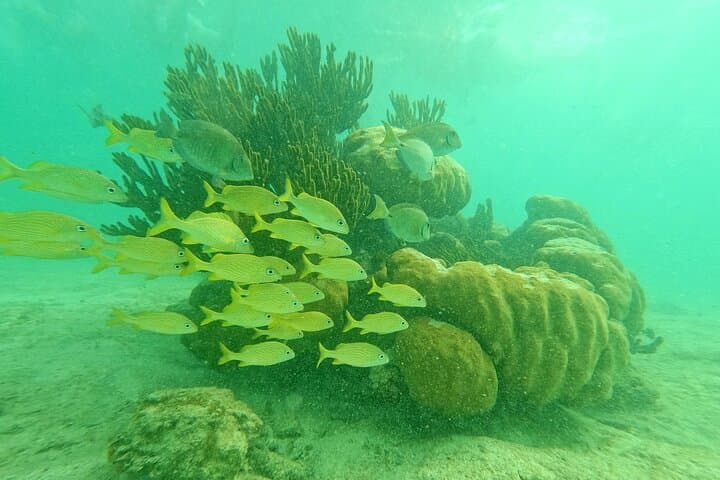
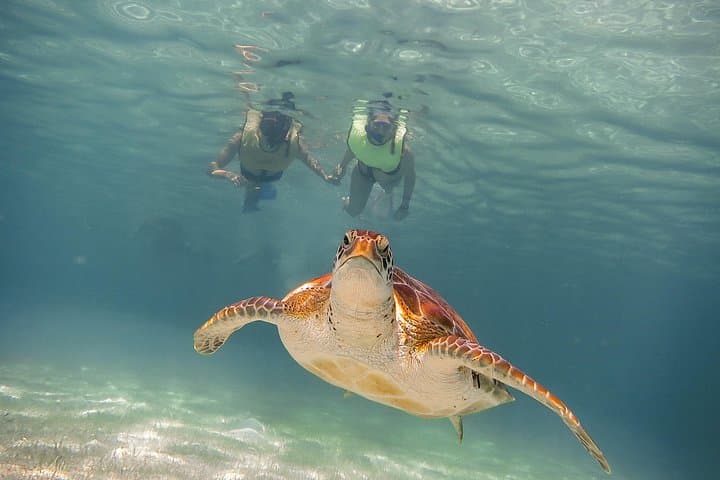
The morning light breaks over turquoise water as you step off a short boat into the shallow reef at Akumal, mask fogging slightly as the guide points toward a mottled back slipping through seagrass. Turtles here move with deliberate curiosity; the guide keeps a respectful distance while you float and watch the animals feed and breathe, the reef’s corals and schools of small fish drifting around you.
Verified experiences and guided adventures in the surrounding area.
Operated by New Choice Travel · Playa del Carmen, Quintana Roo
The morning light breaks over turquoise water as you step off a short boat into the shallow reef at Akumal, mask fogging slightly as the guide points toward a mottled back slipping through seagrass. Turtles here move with deliberate curiosity; the guide keeps a respectful distance while you float and watch the animals feed and breathe, the reef’s corals and schools of small fish drifting around you.
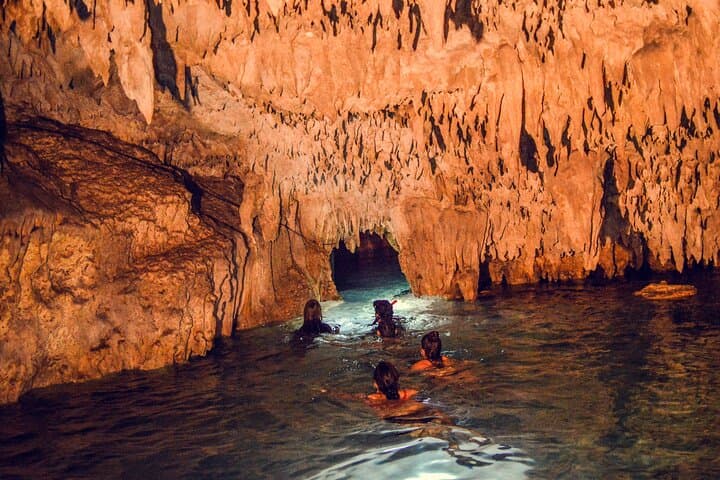
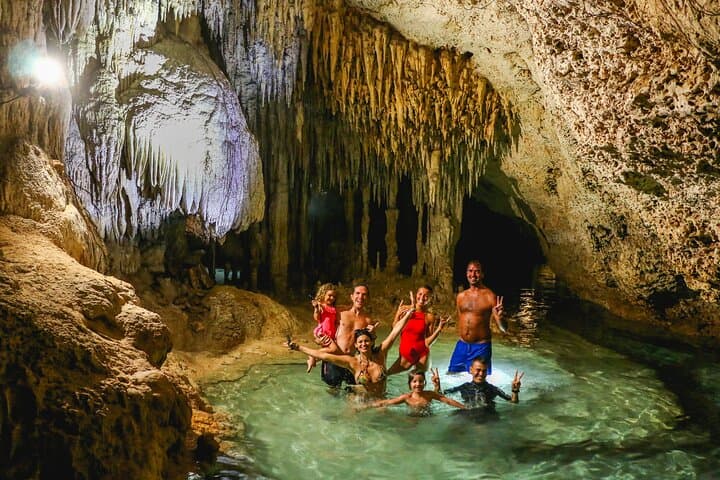
This coastline sits on the north edge of the Mesoamerican Barrier Reef, the second-largest reef system in the world. Inland, the Yucatán’s limestone tells a different story: collapsed sinkholes and carved caverns where cenotes form a linked underground river network. Maya communities considered these cenotes sacred sources of water and life; today they offer clear, limestone-filtered pools and delicate stalactites that drip history and geology into every cavern.
Expect a compact, activity-heavy half-day: a brief boat transfer to the snorkel zone, guided surface swims in calm bays where three species of sea turtle are commonly sighted, then a short jungle drive to an exclusive cenote entrance. Water is warm but bring a wetskin for cooler cavern sections; shoes that handle sand and wet stone will speed your transitions.
Practical: tours typically include masks, fins, life vests and round-trip transport from Playa del Carmen or nearby Riviera Maya hotels. Preserve distance from wildlife, avoid sunscreen that isn’t reef-safe, and plan around morning tides and light for the best visibility. This mix of reef and cenote compresses two classic Riviera Maya experiences into one efficient, memorable morning.
easy.
5 hours.
Suitable for travelers in reasonable health who can float and swim short distances; life vests provided for less confident swimmers.
No — guides provide basic instruction and life vests; beginners are accommodated but should be comfortable in water.
Wildlife sightings cannot be guaranteed, but Akumal regularly hosts multiple turtle species and guides know the best local areas.
Most operators provide life vests and shallow entry areas, but participants should be comfortable in water; infants must sit on laps.
Some guests pay a local preservation or entrance fee (often around US$20) and transfers from Cancun may incur an extra charge.
The Yucatán’s cenotes were central to Maya life as freshwater sources and ceremonial sites; coastal reefs supported fishing communities along the Caribbean for centuries.
Operators often follow local rules to minimize contact with turtles and require reef-safe sunscreens; support certified guides and avoid touching formations to reduce impact.
New Choice Travel operates guided outdoor trips and adventures with an emphasis on safety, stewardship, and memorable experiences.
The morning light breaks over turquoise water as you step off a short boat into the shallow reef at Akumal, mask fogging slightly as the guide points toward a mottled back slipping through seagrass. Turtles here move with deliberate curiosity; the guide keeps a respectful distance while you float and watch the animals feed and breathe, the reef’s corals and schools of small fish drifting around you.
The morning light breaks over turquoise water as you step off a short boat into the shallow reef at Akumal, mask fogging slightly as the guide points toward a mottled back slipping through seagrass. Turtles here move with deliberate curiosity; the guide keeps a respectful distance while you float and watch the animals feed and breathe, the reef’s corals and schools of small fish drifting around you.
This coastline sits on the north edge of the Mesoamerican Barrier Reef, the second-largest reef system in the world. Inland, the Yucatán’s limestone tells a different story: collapsed sinkholes and carved caverns where cenotes form a linked underground river network. Maya communities considered these cenotes sacred sources of water and life; today they offer clear, limestone-filtered pools and delicate stalactites that drip history and geology into every cavern.
Expect a compact, activity-heavy half-day: a brief boat transfer to the snorkel zone, guided surface swims in calm bays where three species of sea turtle are commonly sighted, then a short jungle drive to an exclusive cenote entrance. Water is warm but bring a wetskin for cooler cavern sections; shoes that handle sand and wet stone will speed your transitions.
Practical: tours typically include masks, fins, life vests and round-trip transport from Playa del Carmen or nearby Riviera Maya hotels. Preserve distance from wildlife, avoid sunscreen that isn’t reef-safe, and plan around morning tides and light for the best visibility. This mix of reef and cenote compresses two classic Riviera Maya experiences into one efficient, memorable morning.