THE ADVENTURE COLLECTIVE® · Independent discovery and booking for outdoor travel

Spend a morning snorkeling around the Tijuca Islands from Barra da Tijuca, where clear reefs, sea turtles and seasonal humpback whales (June–August) share the same turquoise stage. This intimate, three-hour small-group boat tour blends easy snorkeling with coastal views of Pedra da Gávea and Dois Irmãos.
Spend a morning snorkeling around the Tijuca Islands from Barra da Tijuca, where clear reefs, sea turtles and seasonal humpback whales (June–August) share the same turquoise stage. This intimate, three-hour small-group boat tour blends easy snorkeling with coastal views of Pedra da Gávea and Dois Irmãos.
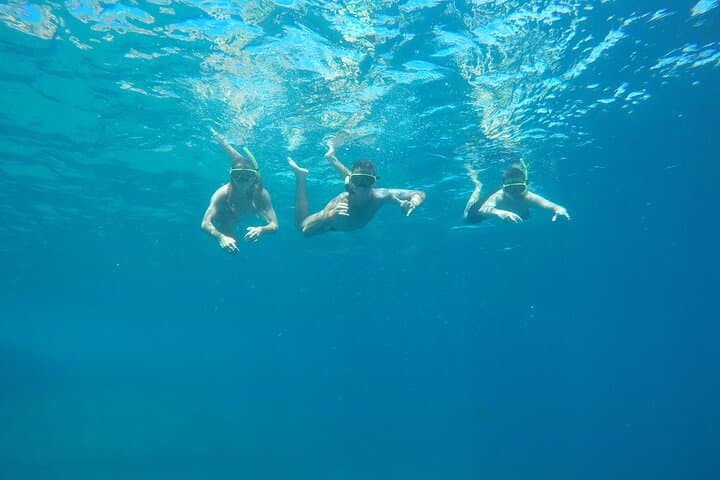
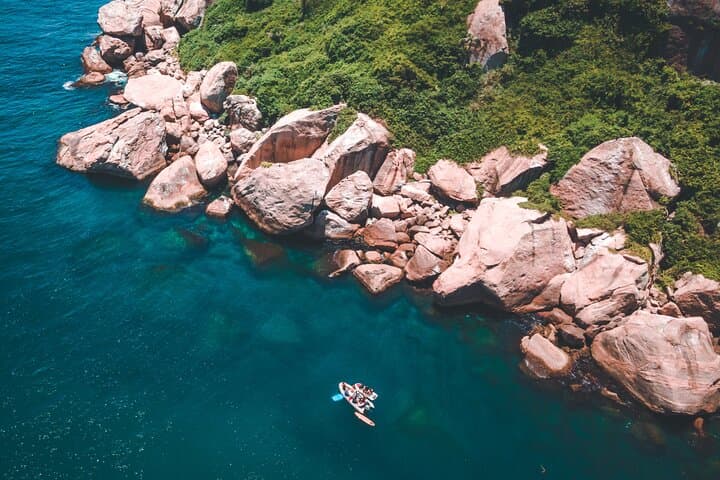
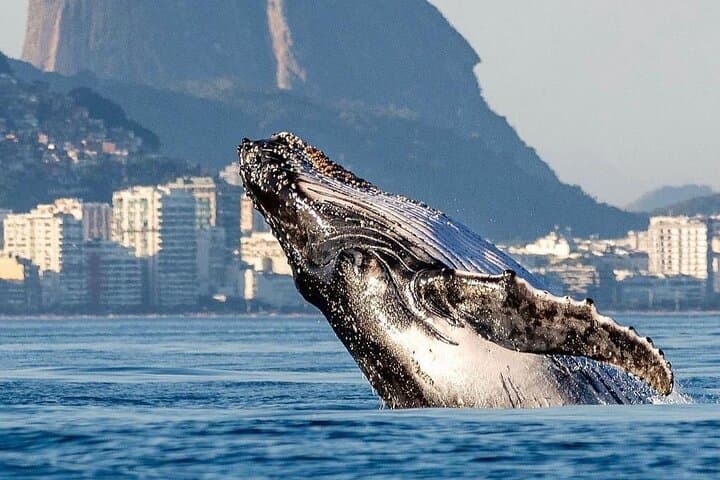
Morning light cuts across the water as the boat slips past Barra’s low reef; gulls call and the ocean seems to pull you toward a cluster of rocky islets where turtles surface like curious sentries. On this three-hour small-group outing you’ll move between shallow reefs and protected coves, mask on, fins ready, easing into clear water to meet parrotfish, sergeant majors and, when timed right, migrating humpbacks that thread past the islands between June and August.
Verified experiences and guided adventures in the surrounding area.
Operated by Rio Natural Ecotourism · Rio de Janeiro, Rio de Janeiro
Morning light cuts across the water as the boat slips past Barra’s low reef; gulls call and the ocean seems to pull you toward a cluster of rocky islets where turtles surface like curious sentries. On this three-hour small-group outing you’ll move between shallow reefs and protected coves, mask on, fins ready, easing into clear water to meet parrotfish, sergeant majors and, when timed right, migrating humpbacks that thread past the islands between June and August.
The Tijuca isles are volcanic and sedimentary outcrops pushed up by Rio’s coastal geology; their cliffs host seabird colonies and their beaches were once seasonal fishing spots for local communities. From the water you’ll get a different perspective on Pedra da Gávea and the twin profile of Dois Irmãos—landmarks that anchor the city’s coastline and maritime culture.
Practically, tours leave from Ilha da Coroa (Barra) or sometimes Urca depending on sea and wind. Groups are capped at around a dozen—enough to feel personal but large enough to settle into the rhythm of the boat. Snorkel gear is supplied; basic swimming competency is required. Expect short swims from the boat and occasional beach landings on calm days.
Pack reef-safe sunscreen, a light waterproof layer for breezy returns, and a dry bag for your phone. Follow guides’ briefings on currents and marine-life etiquette: observe turtles, don’t chase them, and keep fingers off coral. When whales appear, silence and distance are the rules—let them glide past on their own terms.
easy.
3 hours.
Suitable for most people with basic swimming ability and comfort entering/exiting a small boat; standing and short swims required.
Humpback whales pass Rio’s coast most reliably from June through August; sightings are seasonal and never guaranteed but guides know the best viewing windows.
No—the operator supplies masks, snorkels and fins; you may bring personal gear for fit and comfort if preferred.
Tours normally depart from Ilha da Coroa (Barra da Tijuca) but can shift to Urca depending on swell and wind—check confirmation the morning of your trip.
Participants should be comfortable in open water; children and non-swimmers may join with flotation and close supervision but check operator rules before booking.
Local fishing communities have used these islands for generations; the rocks are part of Rio’s coastal geology shaped by volcanic activity and erosion.
Operators emphasize low-impact visits—avoid touching coral, use reef-safe products, and follow guide instructions to limit disturbance to wildlife.
Rio Natural Ecotourism operates guided outdoor trips and adventures with an emphasis on safety, stewardship, and memorable experiences.

Morning light cuts across the water as the boat slips past Barra’s low reef; gulls call and the ocean seems to pull you toward a cluster of rocky islets where turtles surface like curious sentries. On this three-hour small-group outing you’ll move between shallow reefs and protected coves, mask on, fins ready, easing into clear water to meet parrotfish, sergeant majors and, when timed right, migrating humpbacks that thread past the islands between June and August.
Morning light cuts across the water as the boat slips past Barra’s low reef; gulls call and the ocean seems to pull you toward a cluster of rocky islets where turtles surface like curious sentries. On this three-hour small-group outing you’ll move between shallow reefs and protected coves, mask on, fins ready, easing into clear water to meet parrotfish, sergeant majors and, when timed right, migrating humpbacks that thread past the islands between June and August.
The Tijuca isles are volcanic and sedimentary outcrops pushed up by Rio’s coastal geology; their cliffs host seabird colonies and their beaches were once seasonal fishing spots for local communities. From the water you’ll get a different perspective on Pedra da Gávea and the twin profile of Dois Irmãos—landmarks that anchor the city’s coastline and maritime culture.
Practically, tours leave from Ilha da Coroa (Barra) or sometimes Urca depending on sea and wind. Groups are capped at around a dozen—enough to feel personal but large enough to settle into the rhythm of the boat. Snorkel gear is supplied; basic swimming competency is required. Expect short swims from the boat and occasional beach landings on calm days.
Pack reef-safe sunscreen, a light waterproof layer for breezy returns, and a dry bag for your phone. Follow guides’ briefings on currents and marine-life etiquette: observe turtles, don’t chase them, and keep fingers off coral. When whales appear, silence and distance are the rules—let them glide past on their own terms.