THE ADVENTURE COLLECTIVE® · Independent discovery and booking for outdoor travel

Float above fallen columns and streets of a Minoan-era city on a guided snorkel from Elounda. This 2.5-hour excursion combines a short onshore briefing with guided, shallow-water exploration of Olous' submerged remains.
Float above fallen columns and streets of a Minoan-era city on a guided snorkel from Elounda. This 2.5-hour excursion combines a short onshore briefing with guided, shallow-water exploration of Olous' submerged remains.
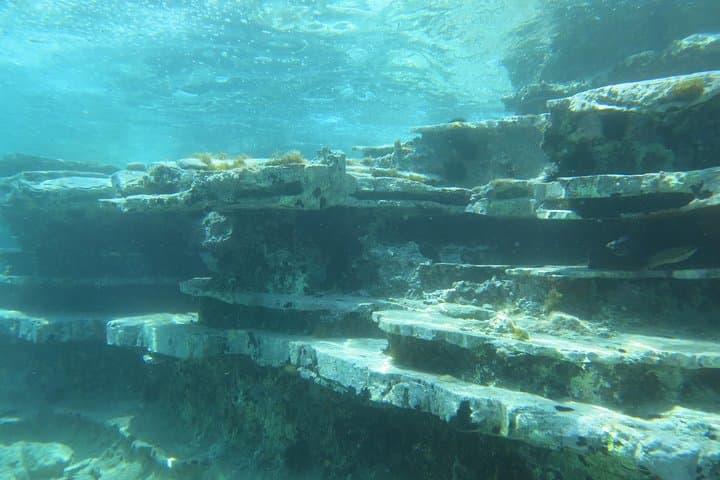
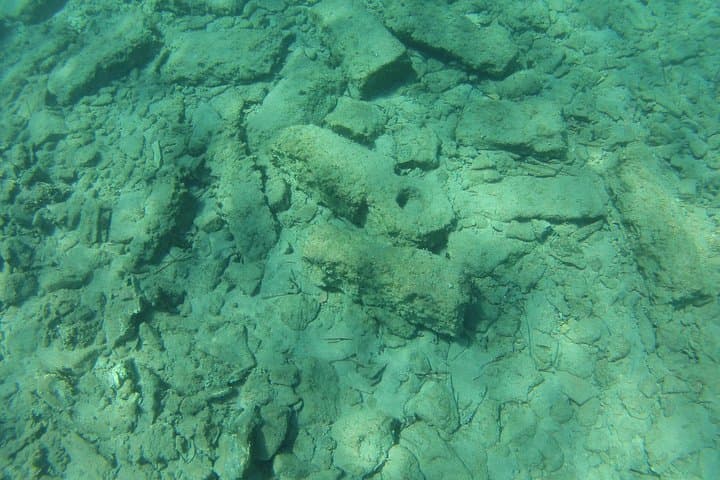
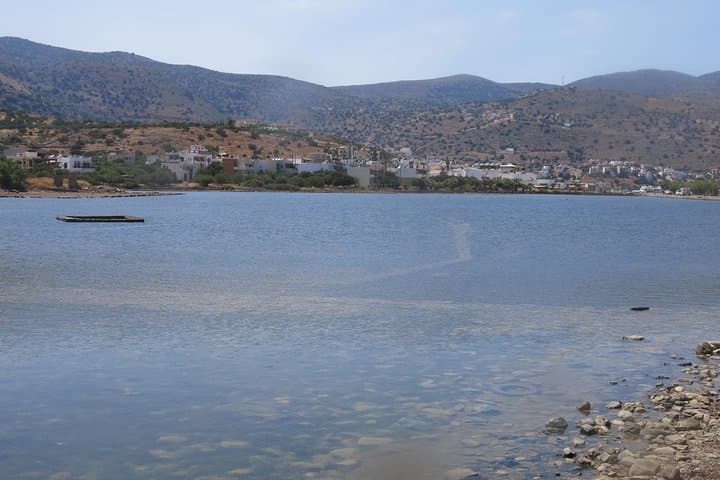
Standing on the small launch at Elounda, the Aegean ahead is glass and blue, the seabed suddenly revealing the straight edges and blocks of stone that time has sunk just beneath the surface. Guides give a concise PowerPoint on the shore—maps, dates and the city's footprint—before leading groups into waist-deep water to float above fallen columns and streets now grown quiet with algae.
Verified experiences and guided adventures in the surrounding area.
Operated by Diving Center Blue Dolphin Elounda · Elounda, Crete
Standing on the small launch at Elounda, the Aegean ahead is glass and blue, the seabed suddenly revealing the straight edges and blocks of stone that time has sunk just beneath the surface. Guides give a concise PowerPoint on the shore—maps, dates and the city's footprint—before leading groups into waist-deep water to float above fallen columns and streets now grown quiet with algae.
Olous was a significant settlement in Minoan and later Classical times; gradual subsidence and possibly seismic events left parts of the city submerged just under 1 metre of water. Geology here is limestone and compacted marine sediments, which have preserved foundations and masonry in shallow patches that snorkelers can peer at without diving. The local fishing villages around Elounda and Plaka still fish these waters, and contemporary culture is as much about hospitality as it is maritime memory—the guides often weave local stories into the site history.
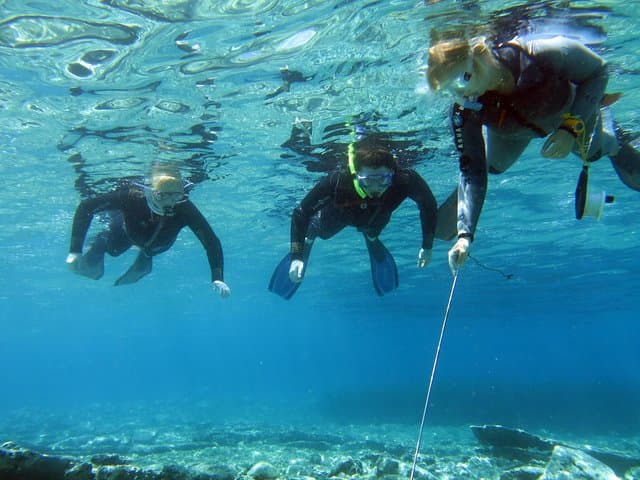
Practically, the excursion is a guided snorkel of about 2.5 hours that includes transport from the dive center, mask, fins, snorkel and wetsuit, plus instruction in basic techniques. Expect flat, shallow water (50–80 cm at some spots), moderate currents on occasion, and clear visibility in calm weather. The experience balances quiet observation with respect for fragile ruins—photos from the surface are typical, boots and touching are discouraged. Plan for sun protection, a snug mask, and a short briefing on breath control; even confident swimmers benefit from a guide’s route and safety checks. This trip suits anyone comfortable in open water who wants a close look at a submerged chapter of Crete’s past.
moderate.
2–2.5 hours.
Suitable for people with moderate fitness and basic swimming ability; you should be comfortable treading water and controlling breath.
No; guides provide a briefing and basic technique coaching, but you should be a confident swimmer comfortable in open water.
Minimum age depends on operator rules and conditions—families with children should check in advance; ability to follow safety instructions is required.
Trips are canceled in rough seas or high winds for safety; this operator lists trips as all sales final, so confirm cancellation terms when booking.
Yes—surface photography is encouraged, but touching or disturbing ruins is prohibited to preserve the site.
Olous was an important coastal town in Minoan and Classical periods; parts of its harbor and foundations lie submerged due to ancient subsidence and seismic activity.
Visitors are asked not to touch or stand on submerged ruins and to use reef-safe sunscreen; operators limit group sizes to reduce disturbance.
Diving Center Blue Dolphin Elounda operates guided outdoor trips and adventures with an emphasis on safety, stewardship, and memorable experiences.
Standing on the small launch at Elounda, the Aegean ahead is glass and blue, the seabed suddenly revealing the straight edges and blocks of stone that time has sunk just beneath the surface. Guides give a concise PowerPoint on the shore—maps, dates and the city's footprint—before leading groups into waist-deep water to float above fallen columns and streets now grown quiet with algae.
Standing on the small launch at Elounda, the Aegean ahead is glass and blue, the seabed suddenly revealing the straight edges and blocks of stone that time has sunk just beneath the surface. Guides give a concise PowerPoint on the shore—maps, dates and the city's footprint—before leading groups into waist-deep water to float above fallen columns and streets now grown quiet with algae.
Olous was a significant settlement in Minoan and later Classical times; gradual subsidence and possibly seismic events left parts of the city submerged just under 1 metre of water. Geology here is limestone and compacted marine sediments, which have preserved foundations and masonry in shallow patches that snorkelers can peer at without diving. The local fishing villages around Elounda and Plaka still fish these waters, and contemporary culture is as much about hospitality as it is maritime memory—the guides often weave local stories into the site history.
Practically, the excursion is a guided snorkel of about 2.5 hours that includes transport from the dive center, mask, fins, snorkel and wetsuit, plus instruction in basic techniques. Expect flat, shallow water (50–80 cm at some spots), moderate currents on occasion, and clear visibility in calm weather. The experience balances quiet observation with respect for fragile ruins—photos from the surface are typical, boots and touching are discouraged. Plan for sun protection, a snug mask, and a short briefing on breath control; even confident swimmers benefit from a guide’s route and safety checks. This trip suits anyone comfortable in open water who wants a close look at a submerged chapter of Crete’s past.