THE ADVENTURE COLLECTIVE® · Independent discovery and booking for outdoor travel

Slip into a drysuit and float between continents at Silfra, the crystalline fissure in Thingvellir National Park. This private snorkel from Reykjavik pairs expert guides with unmatched visibility for an intimate, educational encounter with Iceland’s geology.
Slip into a drysuit and float between continents at Silfra, the crystalline fissure in Thingvellir National Park. This private snorkel from Reykjavik pairs expert guides with unmatched visibility for an intimate, educational encounter with Iceland’s geology.
The first breath you take at Silfra is shockingly clean — cold, bright air that seems to scrub the city grit away before you even get wet.
Verified experiences and guided adventures in the surrounding area.
Operated by taxiGo Limo Airport Service · Reykjavik, Capital Region
The first breath you take at Silfra is shockingly clean — cold, bright air that seems to scrub the city grit away before you even get wet.
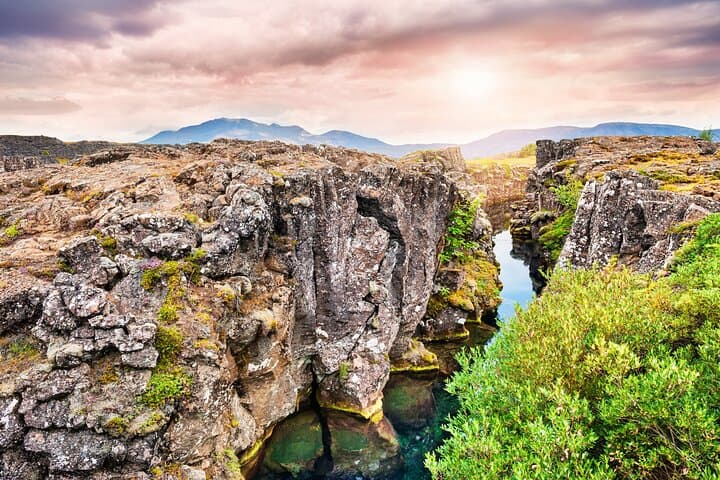
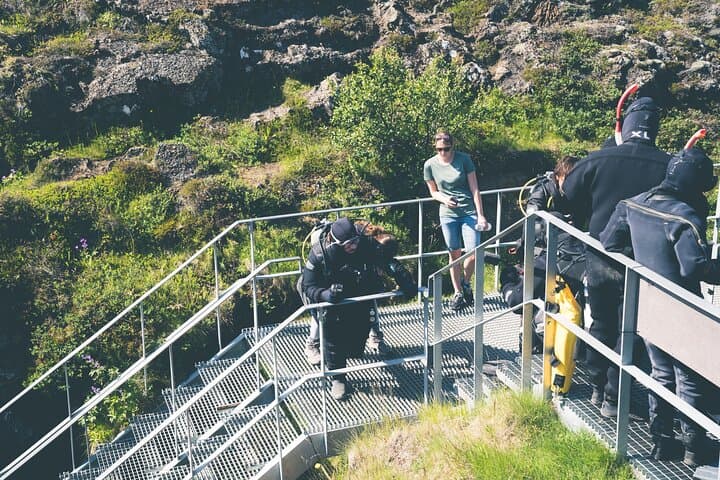
Drive out of Reykjavik and the landscape opens into Thingvellir National Park: a plain of jagged lava fields, fissures, and low ridges where the Mid-Atlantic Ridge rises above sea level. Your guide briefs you on the plan, fits your drysuit, and walks you to the water’s edge. The fissure takes the form of a narrow blue corridor; the current is polite, not fierce, coaxing you forward as if the plates themselves insist you keep moving.
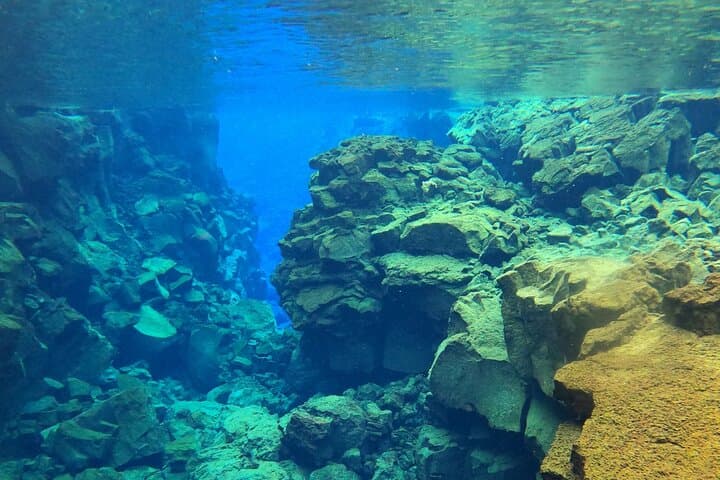
Thingvellir is more than a dive site — it’s the original meeting ground for Icelanders. The Alþingi, one of the world’s oldest parliaments, assembled here in the 10th century on those same rifts. Geologically, Silfra sits in the gap where the North American and Eurasian tectonic plates pull apart; melted glacial water percolates through porous lava for decades before emerging in the fissure. The result is visibility rarely seen elsewhere on Earth — over 100 meters in some places — and a light so clear it makes rock and algae seem suspended in glass.
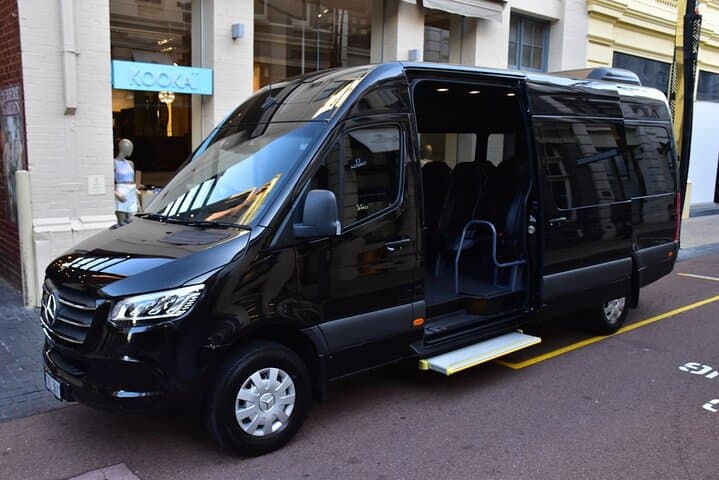
The experience is sensory and elemental: the drysuit’s negotiated thickness, the hiss of breath through a mask, the way sunlight fractures through water that has been filtered and cooled for 30–100 years. Guides keep the pace deliberate. Most snorkels last 30–45 minutes in the water, but you’ll feel every second of it. Afterward, warming stations, hot drinks, and a private transfer back to Reykjavik are part of the rhythm.
Practicalities matter here. Water temps sit around 2–4°C year-round, so a quality drysuit and experienced guide are non-negotiable. Travel time from Reykjavik is roughly 40–60 minutes; the full tour is five hours to allow for pickup, gear, instruction, and return. The site is accessible to people in good general health but expect gear-up and a short walk over uneven terrain.
Book a private slot if you want space to ask questions and move at your pace — the quiet of a small group makes the fissure’s hush feel almost reverent. Bring thermal layers under your drysuit, an insulated change of clothes, and a waterproof camera or housing if you want to capture the spectral blues.
Silfra is not an adrenaline trick but a calm, precise encounter with time and tectonics. For travelers seeking a rare piece of the planet laid bare, the private Silfra snorkel is a clear, intelligent way to experience Iceland’s raw geology with comfort and context.
moderate.
5 hours.
Suitable for people in good general health who can stand for gear-up and walk short uneven paths; no heavy exertion required.
Water temperatures hover around 2–4°C year-round; drysuits provided keep you insulated while you snorkel.
No advanced skills required — basic snorkeling competence is sufficient and guides provide a full briefing.
Expect 30–45 minutes in the water; the overall tour is about five hours including pickup, gear, and instruction.
Drive time is roughly 40–60 minutes depending on traffic and weather; pickup from most Reykjavik hotels is typically included.
Infants aren’t appropriate for snorkeling; older children may join if they meet age and health requirements — check with the operator.
Talk to your guide — drysuits are roomy and buoyant, and tours are private so guides can adapt the pace or provide additional support.
Thingvellir hosted the Alþingi from the 10th century, where Icelandic chieftains met to legislate and settle disputes on open lava benches.
Silfra’s clarity depends on undisturbed groundwater and sustainable tourism; groups are limited and strict gear protocols protect the fissure’s delicate ecology.
taxiGo Limo Airport Service operates guided outdoor trips and adventures with an emphasis on safety, stewardship, and memorable experiences.
The first breath you take at Silfra is shockingly clean — cold, bright air that seems to scrub the city grit away before you even get wet.
The first breath you take at Silfra is shockingly clean — cold, bright air that seems to scrub the city grit away before you even get wet.
Drive out of Reykjavik and the landscape opens into Thingvellir National Park: a plain of jagged lava fields, fissures, and low ridges where the Mid-Atlantic Ridge rises above sea level. Your guide briefs you on the plan, fits your drysuit, and walks you to the water’s edge. The fissure takes the form of a narrow blue corridor; the current is polite, not fierce, coaxing you forward as if the plates themselves insist you keep moving.
Thingvellir is more than a dive site — it’s the original meeting ground for Icelanders. The Alþingi, one of the world’s oldest parliaments, assembled here in the 10th century on those same rifts. Geologically, Silfra sits in the gap where the North American and Eurasian tectonic plates pull apart; melted glacial water percolates through porous lava for decades before emerging in the fissure. The result is visibility rarely seen elsewhere on Earth — over 100 meters in some places — and a light so clear it makes rock and algae seem suspended in glass.
The experience is sensory and elemental: the drysuit’s negotiated thickness, the hiss of breath through a mask, the way sunlight fractures through water that has been filtered and cooled for 30–100 years. Guides keep the pace deliberate. Most snorkels last 30–45 minutes in the water, but you’ll feel every second of it. Afterward, warming stations, hot drinks, and a private transfer back to Reykjavik are part of the rhythm.
Practicalities matter here. Water temps sit around 2–4°C year-round, so a quality drysuit and experienced guide are non-negotiable. Travel time from Reykjavik is roughly 40–60 minutes; the full tour is five hours to allow for pickup, gear, instruction, and return. The site is accessible to people in good general health but expect gear-up and a short walk over uneven terrain.
Book a private slot if you want space to ask questions and move at your pace — the quiet of a small group makes the fissure’s hush feel almost reverent. Bring thermal layers under your drysuit, an insulated change of clothes, and a waterproof camera or housing if you want to capture the spectral blues.
Silfra is not an adrenaline trick but a calm, precise encounter with time and tectonics. For travelers seeking a rare piece of the planet laid bare, the private Silfra snorkel is a clear, intelligent way to experience Iceland’s raw geology with comfort and context.