THE ADVENTURE COLLECTIVE® · Independent discovery and booking for outdoor travel

Float above living coral and submerged sculptures at Punta Nizuc on a focused two-hour snorkeling tour. This guided trip includes equipment, a safety briefing, and a floating platform stop for a cold drink.
Float above living coral and submerged sculptures at Punta Nizuc on a focused two-hour snorkeling tour. This guided trip includes equipment, a safety briefing, and a floating platform stop for a cold drink.
Sunlight slices the surface off Punta Nizuc and turns the water a hard, inviting blue. Within minutes of boarding, the boat slips into shallower reef flats where fish scatter like coins and concrete sculptures of the Cancún Underwater Museum (MUSA) rise up as an unexpected seabed gallery. The current teases you forward; fins whisper; the reef dares you to look closer.
Verified experiences and guided adventures in the surrounding area.
Sunlight slices the surface off Punta Nizuc and turns the water a hard, inviting blue. Within minutes of boarding, the boat slips into shallower reef flats where fish scatter like coins and concrete sculptures of the Cancún Underwater Museum (MUSA) rise up as an unexpected seabed gallery. The current teases you forward; fins whisper; the reef dares you to look closer.
The underwater museum was installed to reduce pressure on natural coral beds and to act as an artificial substrate for coral growth. Geologically the area sits on Yucatán limestone; coral colonies build on low reef ledges and scattered bommies. Locally the coastline has long supported small-scale fishing and the modern tourism economy—so operators mix practical service (equipment, briefings, a floating platform with a cold drink) with reef etiquette.
Expect a two-hour loop: a short briefing ashore or on the boat, equipment fit (vest, fins, mask, snorkel), then guided swimming above shallow sculptures and adjacent living coral. Visibility is usually good in the morning; afternoon winds can chop the surface. Don’t touch coral or sculptures—both are fragile and part of a restoration effort. Hydrate before boarding, apply reef-safe sunscreen, and keep your fins horizontal to avoid accidental kicks. Beginners will be buoyed by provided vests; more confident snorkelers can drift along the reefs to watch parrotfish, angelfish, and occasional turtles. The experience is practical, sensory, and firmly focused on the water beneath your feet and the life it supports.
moderate.
2 hours.
Comfortable being in open water and able to swim short distances; not strenuous but requires mobility getting on/off the boat
No—basic swimming ability and comfort in open water are enough; flotation vests are provided and guides stay close to less confident swimmers.
Most sections are shallow reef flats and sculptures between roughly 2–8 meters, suitable for surface snorkeling and shallow dives.
Common sightings include parrotfish, sergeant majors, angelfish, and occasionally green sea turtles and rays near the reef edges.
Tours typically launch from the Punta Nizuc area or nearby docks in the hotel zone and return to the same boarding point after about two hours; check your booking confirmation for exact meeting details.
MUSA was installed in the late 2000s by sculptors working with conservation groups to divert diving pressure from natural reefs and encourage coral growth on artificial substrates.
The site is managed to minimize impact: operators enforce no‑touch rules, encourage reef‑safe sunscreen, and the sculptures serve as a substrate for new coral colonization.
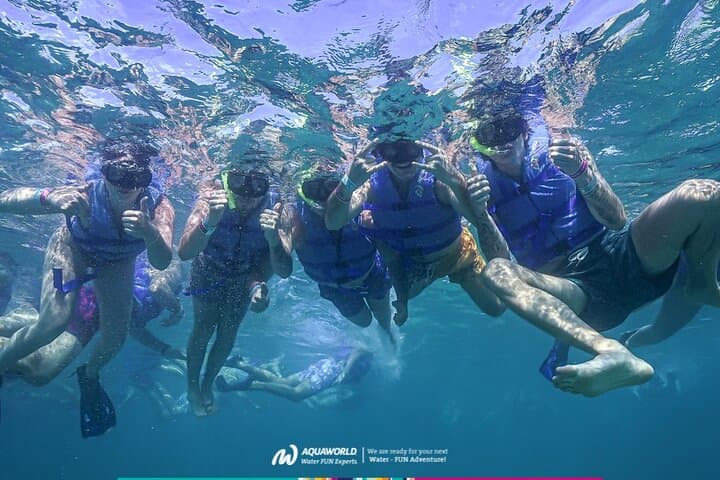
Sunlight slices the surface off Punta Nizuc and turns the water a hard, inviting blue. Within minutes of boarding, the boat slips into shallower reef flats where fish scatter like coins and concrete sculptures of the Cancún Underwater Museum (MUSA) rise up as an unexpected seabed gallery. The current teases you forward; fins whisper; the reef dares you to look closer.
Sunlight slices the surface off Punta Nizuc and turns the water a hard, inviting blue. Within minutes of boarding, the boat slips into shallower reef flats where fish scatter like coins and concrete sculptures of the Cancún Underwater Museum (MUSA) rise up as an unexpected seabed gallery. The current teases you forward; fins whisper; the reef dares you to look closer.
The underwater museum was installed to reduce pressure on natural coral beds and to act as an artificial substrate for coral growth. Geologically the area sits on Yucatán limestone; coral colonies build on low reef ledges and scattered bommies. Locally the coastline has long supported small-scale fishing and the modern tourism economy—so operators mix practical service (equipment, briefings, a floating platform with a cold drink) with reef etiquette.
Expect a two-hour loop: a short briefing ashore or on the boat, equipment fit (vest, fins, mask, snorkel), then guided swimming above shallow sculptures and adjacent living coral. Visibility is usually good in the morning; afternoon winds can chop the surface. Don’t touch coral or sculptures—both are fragile and part of a restoration effort. Hydrate before boarding, apply reef-safe sunscreen, and keep your fins horizontal to avoid accidental kicks. Beginners will be buoyed by provided vests; more confident snorkelers can drift along the reefs to watch parrotfish, angelfish, and occasional turtles. The experience is practical, sensory, and firmly focused on the water beneath your feet and the life it supports.