THE ADVENTURE COLLECTIVE® · Independent discovery and booking for outdoor travel

Spend a full day from Sanur exploring Nusa Penida’s clear snorkeling sites—Crystal Bay, Manta Point and Gamat Bay—then return to Bali for Uluwatu’s cliffside temple and a sunset Kecak performance, capped with Jimbaran seafood.
Spend a full day from Sanur exploring Nusa Penida’s clear snorkeling sites—Crystal Bay, Manta Point and Gamat Bay—then return to Bali for Uluwatu’s cliffside temple and a sunset Kecak performance, capped with Jimbaran seafood.
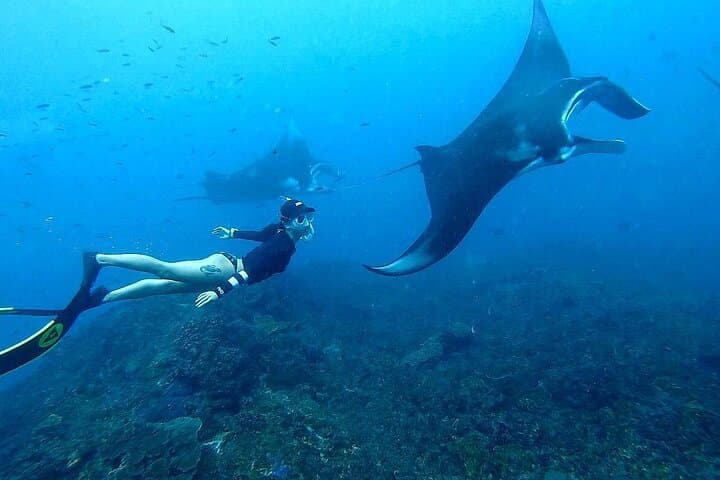
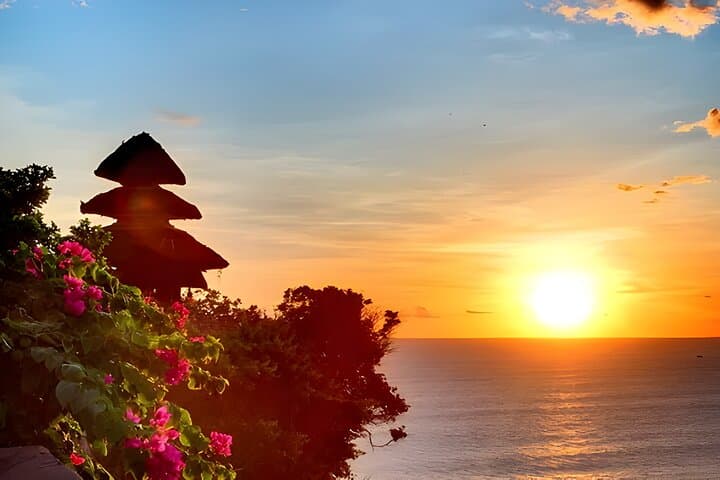
Salt spray wakes you before the island appears: steep limestone cliffs, a ribbon of white sand, and the ocean opening into indigo. Morning light cuts through the surface at Crystal Bay and Manta Point, where currents ferry plankton and mantas drift like slow-moving shadows. By late afternoon you stand on the lip of Uluwatu’s 70‑metre cliff as the sun leans west and the kecak chorus begins, voices rising over the surf.
Verified experiences and guided adventures in the surrounding area.
Operated by Sari Nusa Penida Tour · Nusa Penida, Bali
Salt spray wakes you before the island appears: steep limestone cliffs, a ribbon of white sand, and the ocean opening into indigo. Morning light cuts through the surface at Crystal Bay and Manta Point, where currents ferry plankton and mantas drift like slow-moving shadows. By late afternoon you stand on the lip of Uluwatu’s 70‑metre cliff as the sun leans west and the kecak chorus begins, voices rising over the surf.
Geology here is raw—karst limestone carved by waves and wind—and that abrupt interface between reef and deep water creates the nutrient upwelling that draws mantas and mola mola. Culturally, the day stitches two sides of Bali: the island’s sea‑life focus in Nusa Penida and the temple rituals of the Bukit Peninsula, where Pura Luhur Uluwatu is one of Bali’s six directional temples guarding the island spiritually and geographically.
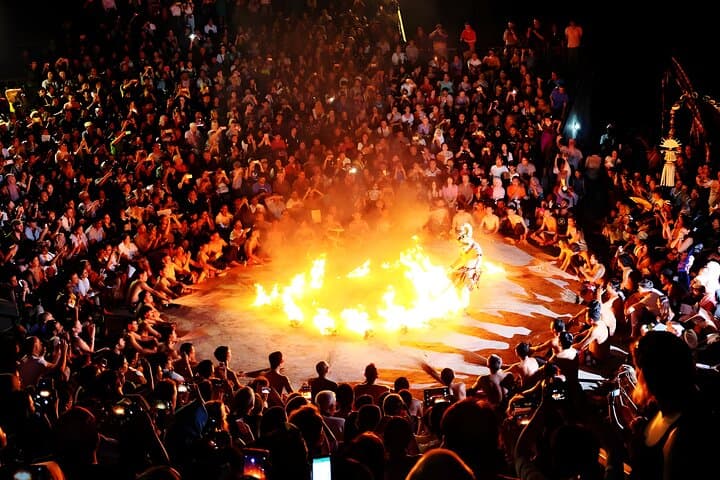
Practical guidance: plan for a long day (12–16 hours). Boats link Sanur to Nusa Penida, and snorkeling sites can have strong currents; short surface intervals and buoyancy vests are standard. Bring reef‑safe sunscreen, a snug mask, and a waterproof camera with a float. The Kecak performance at Uluwatu is best viewed at sunset—arrive early to secure seating and avoid the macaque push.
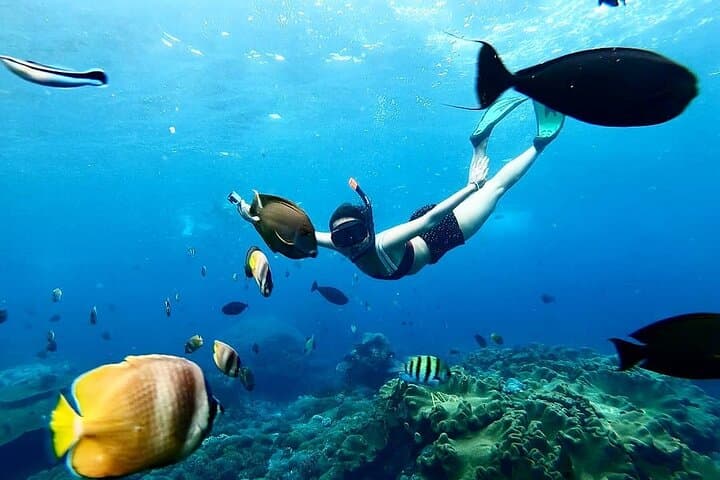
Expect clear-water snorkeling at Crystal Bay, chance encounters with manta rays at Manta Point, quieter coral gardens at Gamat Bay, and a structured end with Balinese dance and a grilled seafood dinner in Jimbaran. Hydrate, keep gear stowed for the boat, and respect temple rules: modest dress and quiet at shrines will keep the day seamless and memorable.
moderate.
12–16 hours.
Moderate fitness—able to climb boat ladders, swim short distances, and stand for temple performances.
No—basic swimming ability is required and life vests are provided, but confidence in the water helps; guides stay close during site rotations.
Manta sightings at Manta Point are common but not guaranteed; season (July–October) and calm conditions improve chances.
Kecak and Uluwatu entrance are included in this tour package as stated; verify inclusion when booking.
Menus are typically set but can accommodate common requests if notified in advance—use the tour’s special requirements field.
Uluwatu Temple (Pura Luhur Uluwatu) is one of Bali’s directional temples, built on a cliff to guard the island’s southwestern coast; Kecak dance evolved in the early 20th century from ritual vocal music into a staged Ramayana performance.
Nusa Penida’s reefs are recovering but fragile; support operators that use mooring buoys, encourage reef‑safe products, and avoid touching coral or feeding wildlife.
Sari Nusa Penida Tour operates guided outdoor trips and adventures with an emphasis on safety, stewardship, and memorable experiences.
Salt spray wakes you before the island appears: steep limestone cliffs, a ribbon of white sand, and the ocean opening into indigo. Morning light cuts through the surface at Crystal Bay and Manta Point, where currents ferry plankton and mantas drift like slow-moving shadows. By late afternoon you stand on the lip of Uluwatu’s 70‑metre cliff as the sun leans west and the kecak chorus begins, voices rising over the surf.
Salt spray wakes you before the island appears: steep limestone cliffs, a ribbon of white sand, and the ocean opening into indigo. Morning light cuts through the surface at Crystal Bay and Manta Point, where currents ferry plankton and mantas drift like slow-moving shadows. By late afternoon you stand on the lip of Uluwatu’s 70‑metre cliff as the sun leans west and the kecak chorus begins, voices rising over the surf.
Geology here is raw—karst limestone carved by waves and wind—and that abrupt interface between reef and deep water creates the nutrient upwelling that draws mantas and mola mola. Culturally, the day stitches two sides of Bali: the island’s sea‑life focus in Nusa Penida and the temple rituals of the Bukit Peninsula, where Pura Luhur Uluwatu is one of Bali’s six directional temples guarding the island spiritually and geographically.
Practical guidance: plan for a long day (12–16 hours). Boats link Sanur to Nusa Penida, and snorkeling sites can have strong currents; short surface intervals and buoyancy vests are standard. Bring reef‑safe sunscreen, a snug mask, and a waterproof camera with a float. The Kecak performance at Uluwatu is best viewed at sunset—arrive early to secure seating and avoid the macaque push.
Expect clear-water snorkeling at Crystal Bay, chance encounters with manta rays at Manta Point, quieter coral gardens at Gamat Bay, and a structured end with Balinese dance and a grilled seafood dinner in Jimbaran. Hydrate, keep gear stowed for the boat, and respect temple rules: modest dress and quiet at shrines will keep the day seamless and memorable.