THE ADVENTURE COLLECTIVE® · Independent discovery and booking for outdoor travel

Swim alongside one of the planet’s largest mobula ray aggregations in La Ventana Bay. This Super VIP marine safari from La Paz pairs guided snorkeling or surface observation with real‑time ecological interpretation and a seamless roundtrip transfer.
Swim alongside one of the planet’s largest mobula ray aggregations in La Ventana Bay. This Super VIP marine safari from La Paz pairs guided snorkeling or surface observation with real‑time ecological interpretation and a seamless roundtrip transfer.
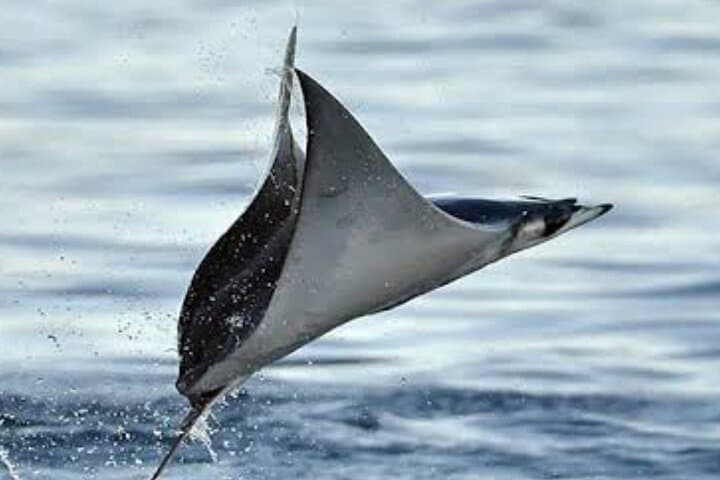
The boat slips quietly out of La Paz into the glassy bowl of La Ventana Bay, and within minutes the ocean changes from open blue to a living, moving carpet: thousands of mobula rays wheel and flash beneath the surface.
Verified experiences and guided adventures in the surrounding area.
Operated by Baja Sur Tours · La Ventana, Baja California Sur
The boat slips quietly out of La Paz into the glassy bowl of La Ventana Bay, and within minutes the ocean changes from open blue to a living, moving carpet: thousands of mobula rays wheel and flash beneath the surface.
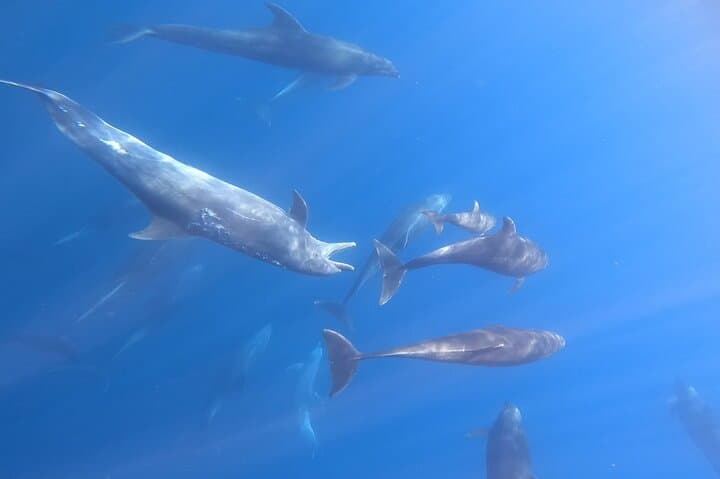
This outing sits in the Sea of Cortez — Jacques Cousteau’s “aquarium of the world” — where the meeting of nutrient-rich currents and a weathered volcanic coastline creates a corridor for pelagic life. The La Ventana shoreline is part of Baja California Sur’s desert‑to‑sea transition: scrub‑studded ridgelines drop to rocky points and sandy bays that concentrate baitfish, which in turn draw mobulas, dolphins, and seasonal whales.
Local guides for this Super VIP trip mix natural history with real‑time science, explaining mobula behavior, regional migration patterns, and the role of small-scale fisheries in nearby communities. Culturally, La Paz and surrounding villages have long balanced fishing traditions with growing eco-tourism, and tours often include outreach or data collection components to support monitoring.
Practical guidance: plan for a 6‑hour day, expect boat and in‑water options, and know a shorty wetsuit and snorkel gear are provided. Wear reef‑safe sunscreen, a hat, and a light wind layer for the return. If you join the water, be comfortable with basic snorkeling skills and surface‑entry procedures; if not, prime vantage points on deck deliver excellent photo and interpretive opportunities.
Timing matters — calm mornings improve visibility and animal encounters — and leave space in your itinerary: these are wildlife encounters, not guarantees, but when the rays gather the scene is unforgettable.
moderate.
6 hours.
Moderate — able to climb in/out of a small boat, snorkel at the surface for short periods, and tolerate sun and boat motion.
You should be comfortable in the water and able to float or swim short distances; operators provide life vests and guide support for snorkelers.
No — mobula presence depends on seasonal movements and local conditions; morning departures and calm seas increase likelihood of sightings.
Yes — the tour includes a shorty wetsuit, mask, snorkel, fins, and bottled water; bring your own well‑fitting mask if you prefer.
Absolutely — observers on deck get binoculars, interpretive talks, and often the best panoramic photos without entering the water.
The Sea of Cortez has long sustained coastal fishing communities; modern eco‑tourism in the La Paz region increasingly supports marine research and local livelihoods.
Tours often partner with outreach or citizen‑science programs; visitors should follow no‑touch, distance‑respect protocols to minimize disturbance to aggregations.
Baja Sur Tours operates guided outdoor trips and adventures with an emphasis on safety, stewardship, and memorable experiences.
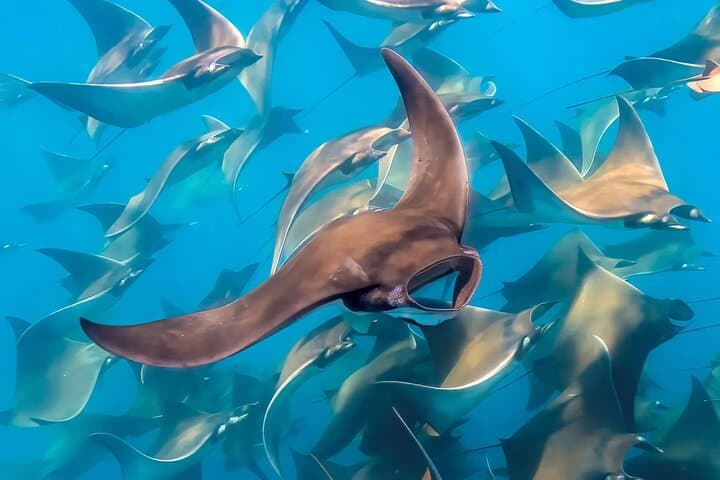
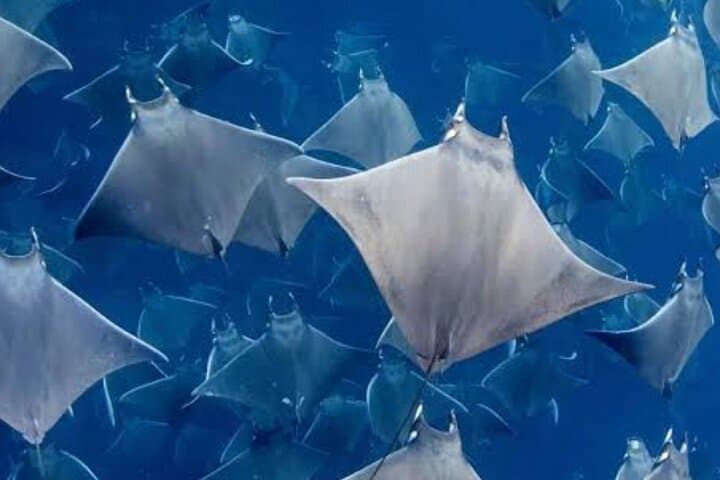
The boat slips quietly out of La Paz into the glassy bowl of La Ventana Bay, and within minutes the ocean changes from open blue to a living, moving carpet: thousands of mobula rays wheel and flash beneath the surface.
The boat slips quietly out of La Paz into the glassy bowl of La Ventana Bay, and within minutes the ocean changes from open blue to a living, moving carpet: thousands of mobula rays wheel and flash beneath the surface.
This outing sits in the Sea of Cortez — Jacques Cousteau’s “aquarium of the world” — where the meeting of nutrient-rich currents and a weathered volcanic coastline creates a corridor for pelagic life. The La Ventana shoreline is part of Baja California Sur’s desert‑to‑sea transition: scrub‑studded ridgelines drop to rocky points and sandy bays that concentrate baitfish, which in turn draw mobulas, dolphins, and seasonal whales.
Local guides for this Super VIP trip mix natural history with real‑time science, explaining mobula behavior, regional migration patterns, and the role of small-scale fisheries in nearby communities. Culturally, La Paz and surrounding villages have long balanced fishing traditions with growing eco-tourism, and tours often include outreach or data collection components to support monitoring.
Practical guidance: plan for a 6‑hour day, expect boat and in‑water options, and know a shorty wetsuit and snorkel gear are provided. Wear reef‑safe sunscreen, a hat, and a light wind layer for the return. If you join the water, be comfortable with basic snorkeling skills and surface‑entry procedures; if not, prime vantage points on deck deliver excellent photo and interpretive opportunities.
Timing matters — calm mornings improve visibility and animal encounters — and leave space in your itinerary: these are wildlife encounters, not guarantees, but when the rays gather the scene is unforgettable.