THE ADVENTURE COLLECTIVE® · Independent discovery and booking for outdoor travel

Three reef stops, a dinghy-to-boat start, and onboard drinks and bites—this 3-hour Snorkel Marathon out of Kralendijk compresses Bonaire’s best shallow reefs into a single, social outing. Expect guided snorkeling, local music, and easy water entries ideal for confident first-time snorkelers.
Three reef stops, a dinghy-to-boat start, and onboard drinks and bites—this 3-hour Snorkel Marathon out of Kralendijk compresses Bonaire’s best shallow reefs into a single, social outing. Expect guided snorkeling, local music, and easy water entries ideal for confident first-time snorkelers.
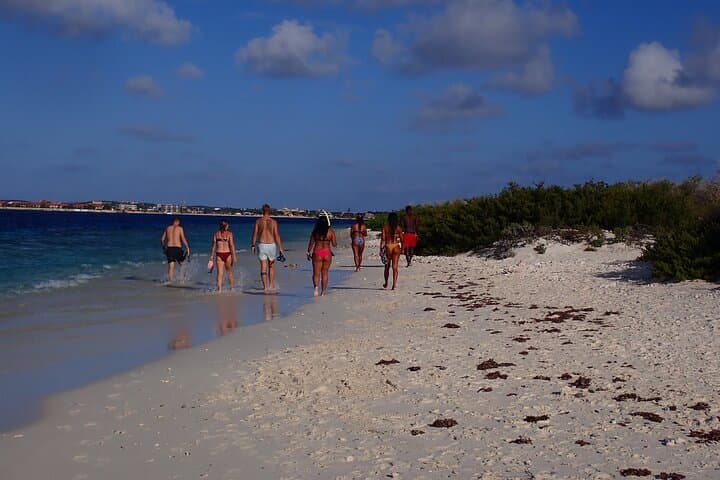
The motor hums beneath your feet and the city reluctantly recedes—Kralendijk’s waterfront buildings shrink into a ribbon of pastel roofs and the Caribbean broadens around you. A dinghy shuttles everyone from the dock to a low-profile boat; the captain tips the throttle and you feel the sea open, the breeze pulling at your shirt like an invitation. Labels fall away here: the water dares you forward, the boat offers shade and music, and the reef waits in three different vignettes, each with fifty minutes to prove itself.
Verified experiences and guided adventures in the surrounding area.
Operated by Sherwanda Boat Adventure · Kralendijk, Bonaire
The motor hums beneath your feet and the city reluctantly recedes—Kralendijk’s waterfront buildings shrink into a ribbon of pastel roofs and the Caribbean broadens around you. A dinghy shuttles everyone from the dock to a low-profile boat; the captain tips the throttle and you feel the sea open, the breeze pulling at your shirt like an invitation. Labels fall away here: the water dares you forward, the boat offers shade and music, and the reef waits in three different vignettes, each with fifty minutes to prove itself.
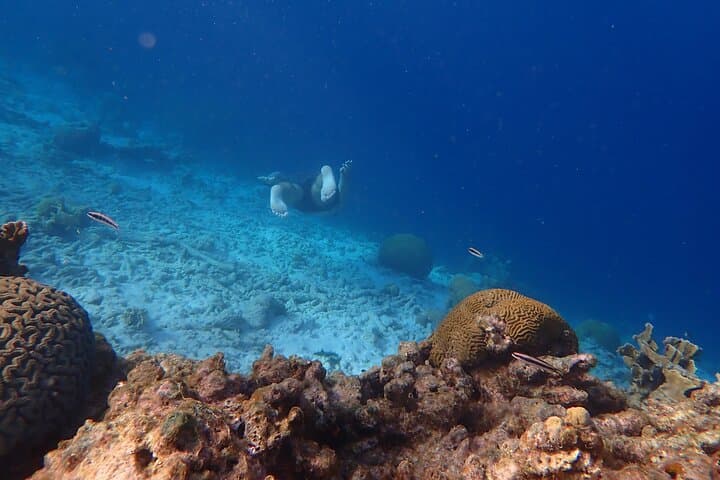
Bonaire’s reefs are among the Caribbean’s best-studied fringing systems. Once a stop for 17th-century traders, the island’s shallow shelf now hosts tangleweed and brain coral shelves that have persisted through hurricanes and shifting currents. The geology is Pleistocene limestone overlain with living reef; from the boat you can spot the ragged edge where shallow flats give way to coral bommies and deeper blue.
Culture on Bonaire moves at sea‑time: casual, social, and centered on sustainable use of marine resources. Local guides on the tour blend narration—pointers to parrotfish and octopus—with music and small bites, offering a compact sense of island life between snorkel stops. The guides also emphasize reef etiquette and often hand out brief lessons on mask clearing and buddy checks before the first jump.
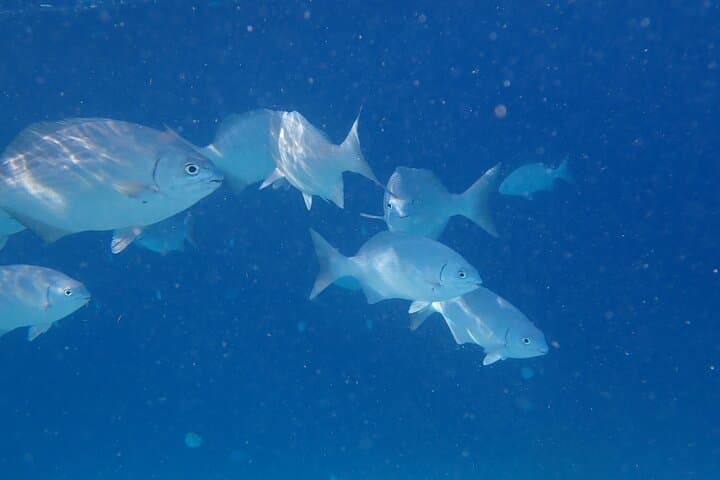
The experience is straightforward: three guided snorkeling stops, roughly 50 minutes each, with transit and a break for drinks and snacks aboard. Terrain is marine rather than terrestrial—expect steps and a dinghy transfer, boat deck, and easy water entries. Its appeal is visceral: you’ll watch fish edge away from cleaner wrasse, feel a current nudge your fins, and drift over coral gardens while the captain moves the boat to the next vignette.
Practical guidance: wear a well-fitting mask and reef-safe sunscreen, and bring a light cover-up for sun and spray between stops. The tour is labeled “physically easy” and life vests are available, but swimmers should be comfortable treading water and clearing a mask. Morning trips offer glassier seas; afternoons can be breezier. If you’re prone to motion sickness, take preventative measures ahead of time—there’s time for a nap on deck, but the water is the draw.
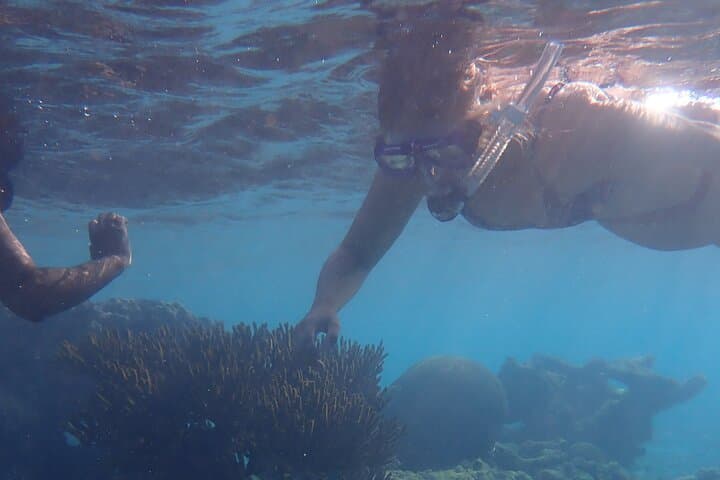
This trip is ideal for travelers who want concentrated reef time without the logistics of multiple shore entries. It’s social but not crowded—boats limit numbers and guides keep each stop focused. For photographers, a snorkel mask with a small action camera or a floating strap is invaluable. Above all, treat the fragility of these reefs with care: don’t touch coral, keep fins up over gardens, and listen to local guidance—these reefs will repay respect with vivid, lasting memories.
easy.
3–3.5 hours.
Suitable for most fitness levels; participants should be comfortable swimming and treading water for short periods.
Yes—basic snorkel gear is included, though many guests bring their own masks for better fit and comfort.
Tours limit shared boats to about 15 travelers, keeping each snorkeling stop manageable.
Yes—alcoholic beverages and light bites are served aboard during transit between snorkel sites.
Life vests are available and the trip is labeled easy, but participants should be comfortable in water and able to float with a vest.
The operator cancels in unsafe conditions—full refunds are available if canceled at least 24 hours ahead or due to weather or low bookings.
Yes—hotel and port pickup options are offered; confirm your pickup point when booking.
Bonaire’s reefs were noted by early European sailors for their clear shallows; today local communities combine tourism with conservation to preserve fishing and diving resources.
Operators on Bonaire follow strict reef etiquette—no touching coral, no anchoring on reefs—and encourage reef-safe sunscreen to minimize chemical damage.
Sherwanda Boat Adventure operates guided outdoor trips and adventures with an emphasis on safety, stewardship, and memorable experiences.
The motor hums beneath your feet and the city reluctantly recedes—Kralendijk’s waterfront buildings shrink into a ribbon of pastel roofs and the Caribbean broadens around you. A dinghy shuttles everyone from the dock to a low-profile boat; the captain tips the throttle and you feel the sea open, the breeze pulling at your shirt like an invitation. Labels fall away here: the water dares you forward, the boat offers shade and music, and the reef waits in three different vignettes, each with fifty minutes to prove itself.
The motor hums beneath your feet and the city reluctantly recedes—Kralendijk’s waterfront buildings shrink into a ribbon of pastel roofs and the Caribbean broadens around you. A dinghy shuttles everyone from the dock to a low-profile boat; the captain tips the throttle and you feel the sea open, the breeze pulling at your shirt like an invitation. Labels fall away here: the water dares you forward, the boat offers shade and music, and the reef waits in three different vignettes, each with fifty minutes to prove itself.
Bonaire’s reefs are among the Caribbean’s best-studied fringing systems. Once a stop for 17th-century traders, the island’s shallow shelf now hosts tangleweed and brain coral shelves that have persisted through hurricanes and shifting currents. The geology is Pleistocene limestone overlain with living reef; from the boat you can spot the ragged edge where shallow flats give way to coral bommies and deeper blue.
Culture on Bonaire moves at sea‑time: casual, social, and centered on sustainable use of marine resources. Local guides on the tour blend narration—pointers to parrotfish and octopus—with music and small bites, offering a compact sense of island life between snorkel stops. The guides also emphasize reef etiquette and often hand out brief lessons on mask clearing and buddy checks before the first jump.
The experience is straightforward: three guided snorkeling stops, roughly 50 minutes each, with transit and a break for drinks and snacks aboard. Terrain is marine rather than terrestrial—expect steps and a dinghy transfer, boat deck, and easy water entries. Its appeal is visceral: you’ll watch fish edge away from cleaner wrasse, feel a current nudge your fins, and drift over coral gardens while the captain moves the boat to the next vignette.
Practical guidance: wear a well-fitting mask and reef-safe sunscreen, and bring a light cover-up for sun and spray between stops. The tour is labeled “physically easy” and life vests are available, but swimmers should be comfortable treading water and clearing a mask. Morning trips offer glassier seas; afternoons can be breezier. If you’re prone to motion sickness, take preventative measures ahead of time—there’s time for a nap on deck, but the water is the draw.
This trip is ideal for travelers who want concentrated reef time without the logistics of multiple shore entries. It’s social but not crowded—boats limit numbers and guides keep each stop focused. For photographers, a snorkel mask with a small action camera or a floating strap is invaluable. Above all, treat the fragility of these reefs with care: don’t touch coral, keep fins up over gardens, and listen to local guidance—these reefs will repay respect with vivid, lasting memories.