THE ADVENTURE COLLECTIVE® · Independent discovery and booking for outdoor travel

Head to Manta Point off Nusa Penida for one of the region’s highest odds of seeing manta rays. This guided half-day snorkel pairs manta encounters with vibrant coral gardens at Gamat Bay and dramatic walls at Wall Point.
Head to Manta Point off Nusa Penida for one of the region’s highest odds of seeing manta rays. This guided half-day snorkel pairs manta encounters with vibrant coral gardens at Gamat Bay and dramatic walls at Wall Point.
You step off the skiff and the ocean opens wide—clear turquoise collapsing into deep blue where manta rays cruise like slow, deliberate shadows.
Verified experiences and guided adventures in the surrounding area.
Operated by Kadek Penida Tour · Nusa Penida, Bali
You step off the skiff and the ocean opens wide—clear turquoise collapsing into deep blue where manta rays cruise like slow, deliberate shadows.
Manta Point on Nusa Penida sits on the island’s nutrient-rich reef edge, carved by currents that funnel plankton and attract these giant filter feeders. The rock and coral shelf here is volcanic in origin; basalt outcrops and steep drop-offs create the undersea walls manta rays use as cleaning and feeding stations. Local fishing communities on Nusa Penida long respected the mantas, and contemporary guides now pair traditional knowledge with simple conservation practices to reduce disturbance.
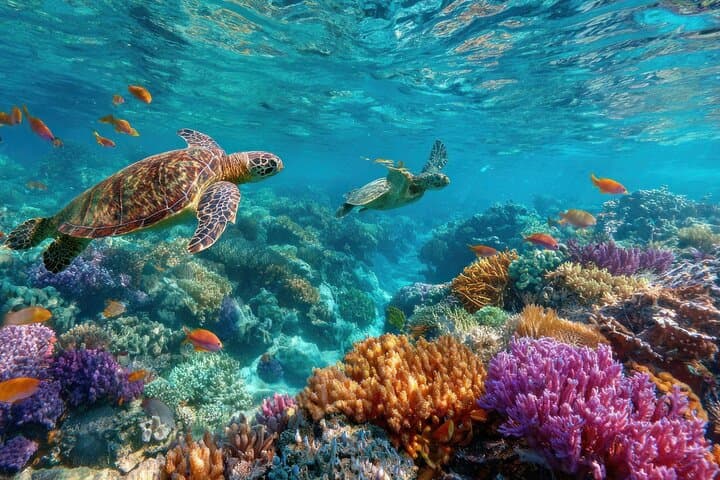
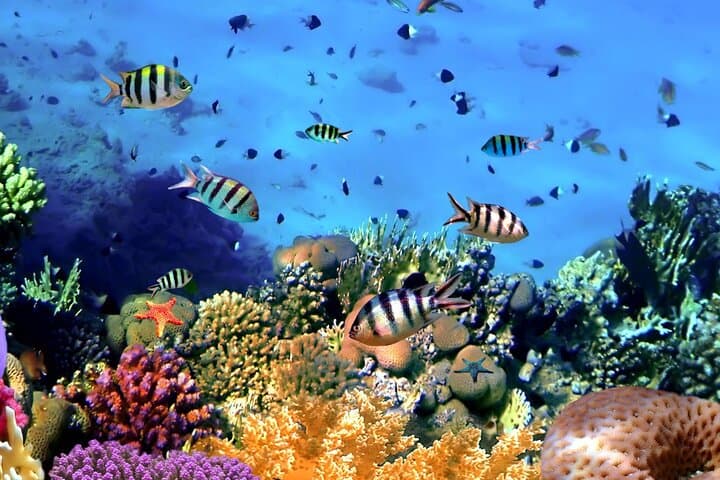
The half-day snorkel runs typically include Manta Point, Gamat Bay’s shallow coral gardens, and Wall Point’s vertical coral faces—three distinct habitats in about two hours on the water. Expect short surface swims, brief descents to peer into coral canyons, and periods of drifting where currents push you gently along.
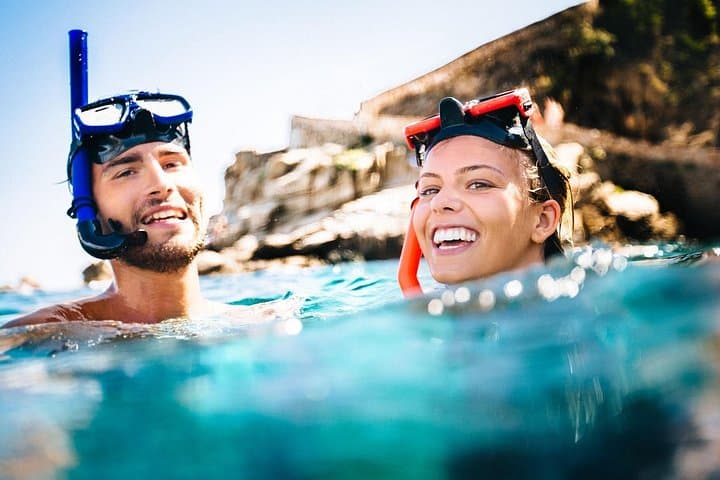
Practical guidance: travel from Sanur or Toya Pakeh to Nusa Penida early to catch calmer seas; currents can intensify mid-day. Use reef-safe sunscreen and avoid touching coral or rays. Wear a well-fitted mask and fins—masks fog easily in warm water—bring a reef hook or vest if you fatigue easily, and listen closely to local guides who know tide and current windows.
This trip is accessible to beginner snorkelers but rewards attentive, calm swimmers—approach mantas slowly, let them come close, and keep a respectful distance for a safe, unforgettable encounter.
easy.
2 hours.
Suitable for most people with basic swimming ability; be comfortable treading water and doing short surface swims.
Manta Point has one of the highest encounter rates around Nusa Penida, but sightings are never guaranteed—conditions and plankton availability drive manta presence.
No—this tour is suitable for beginners, though you should be comfortable in open water and able to swim with fins for short periods.
Many operators allow older children who can swim confidently; check age limits with the operator and consider a life vest for younger swimmers.
Don’t chase, touch, or block their path; stay calm, keep distance, and follow guide instructions to avoid stressing the animals.
Nusa Penida’s communities have fished these waters for generations; recent shifts toward eco-tourism have elevated manta protection and reef awareness.
Operators increasingly enforce no-touch policies, reef-safe products, and limited-boat approaches to reduce stress on mantas and coral; visitors should follow local guidelines.
Kadek Penida Tour operates guided outdoor trips and adventures with an emphasis on safety, stewardship, and memorable experiences.
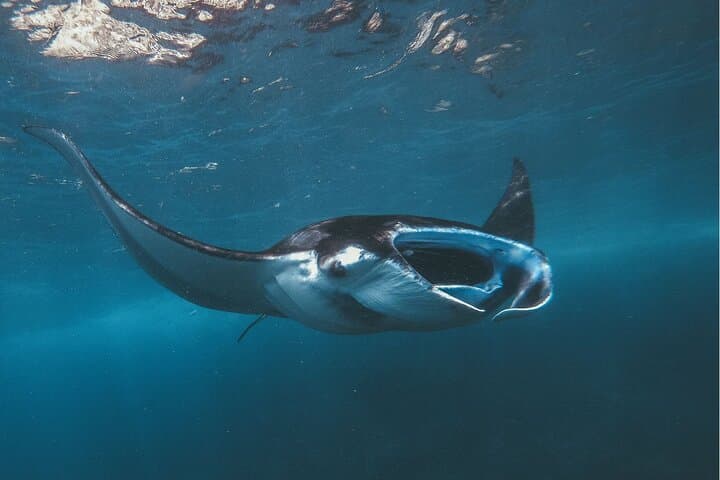
You step off the skiff and the ocean opens wide—clear turquoise collapsing into deep blue where manta rays cruise like slow, deliberate shadows.
You step off the skiff and the ocean opens wide—clear turquoise collapsing into deep blue where manta rays cruise like slow, deliberate shadows.
Manta Point on Nusa Penida sits on the island’s nutrient-rich reef edge, carved by currents that funnel plankton and attract these giant filter feeders. The rock and coral shelf here is volcanic in origin; basalt outcrops and steep drop-offs create the undersea walls manta rays use as cleaning and feeding stations. Local fishing communities on Nusa Penida long respected the mantas, and contemporary guides now pair traditional knowledge with simple conservation practices to reduce disturbance.
The half-day snorkel runs typically include Manta Point, Gamat Bay’s shallow coral gardens, and Wall Point’s vertical coral faces—three distinct habitats in about two hours on the water. Expect short surface swims, brief descents to peer into coral canyons, and periods of drifting where currents push you gently along.
Practical guidance: travel from Sanur or Toya Pakeh to Nusa Penida early to catch calmer seas; currents can intensify mid-day. Use reef-safe sunscreen and avoid touching coral or rays. Wear a well-fitted mask and fins—masks fog easily in warm water—bring a reef hook or vest if you fatigue easily, and listen closely to local guides who know tide and current windows.
This trip is accessible to beginner snorkelers but rewards attentive, calm swimmers—approach mantas slowly, let them come close, and keep a respectful distance for a safe, unforgettable encounter.