THE ADVENTURE COLLECTIVE® · Independent discovery and booking for outdoor travel

Float over lava-carved reefs off Playa Chica with a local PADI instructor—two hours of guided snorkeling, easy shore entry, and close-up encounters with parrotfish and octopus. Perfect for families and first-timers.
Float over lava-carved reefs off Playa Chica with a local PADI instructor—two hours of guided snorkeling, easy shore entry, and close-up encounters with parrotfish and octopus. Perfect for families and first-timers.
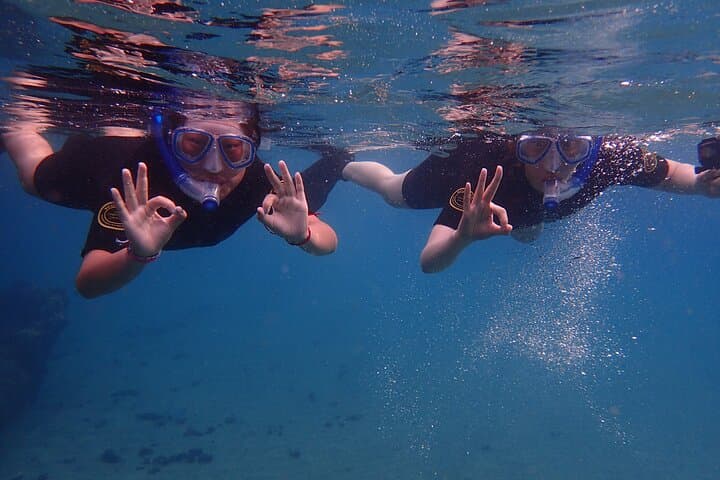
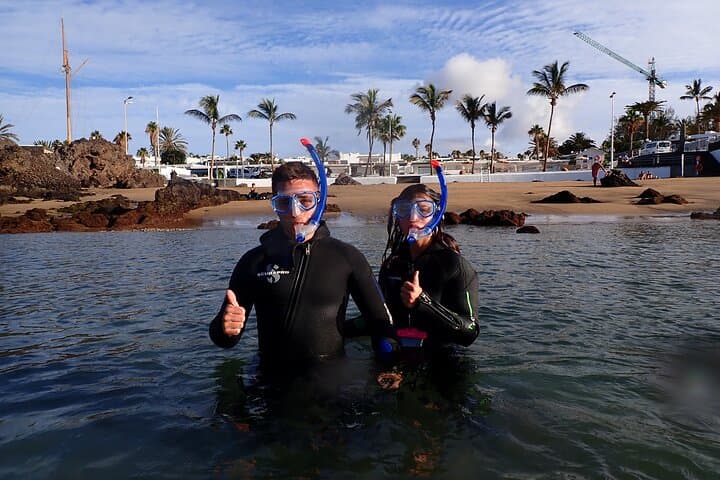
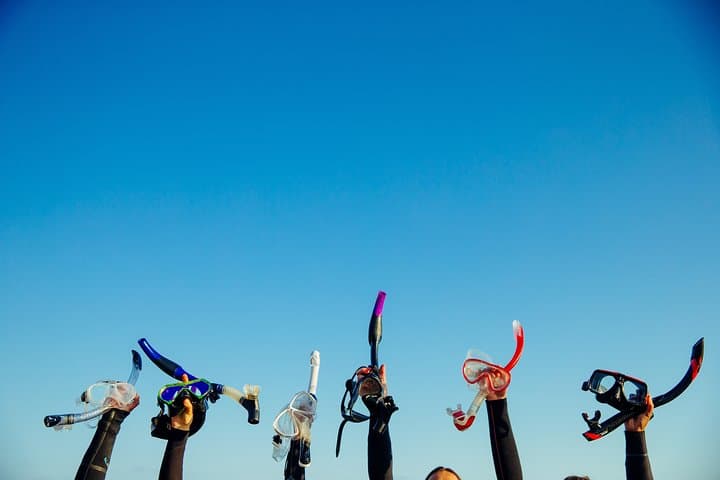
The Atlantic meets Lanzarote here with a blunt, volcanic edge: black sand underfoot, wind-pressed cliffs to one side and a sheltered crescent of water that invites you to float. A guide checks everyone's masks on the little beach at Playa Chica, hands out fins and wetsuits, and points to the reef that curves like a dark spine just beyond the breakers. You slip into the water and the world changes—surface light fractures into a cathedral of blues, and fish that use the lava as a home dart between boulders.
Verified experiences and guided adventures in the surrounding area.
Operated by Scuba Legends Dive Center Lanzarote · Puerto del Carmen, Las Palmas
The Atlantic meets Lanzarote here with a blunt, volcanic edge: black sand underfoot, wind-pressed cliffs to one side and a sheltered crescent of water that invites you to float. A guide checks everyone's masks on the little beach at Playa Chica, hands out fins and wetsuits, and points to the reef that curves like a dark spine just beyond the breakers. You slip into the water and the world changes—surface light fractures into a cathedral of blues, and fish that use the lava as a home dart between boulders.
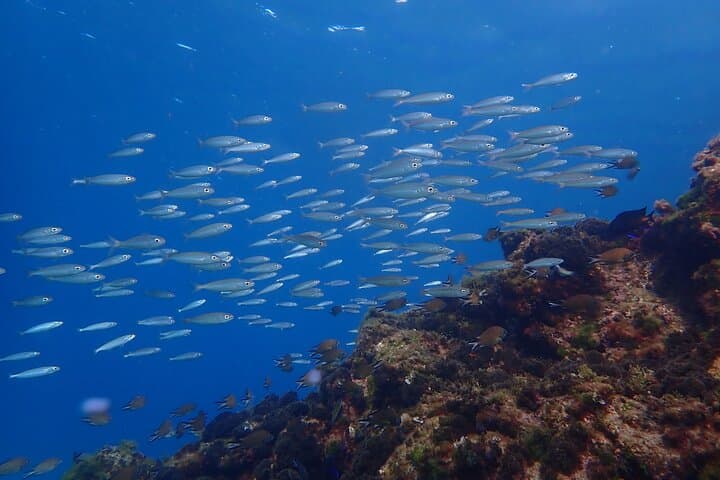
Lanzarote is an island shaped by fire and the slow work of the sea. The coast around Puerto del Carmen is born of comparatively recent eruptions; the reef you explore today grew where lava met ocean and cooled into a skeleton of ridges and small caves. That geology creates pockets and ledges that harbor life—parrotfish scraping, shy octopus slipping into crevices, and shoals of damselfish that circle like living confetti.
Puerto del Carmen itself is practical and sun-minded: a working fishing harbor that became a tourism hub in the 20th century. Guides who lead these shore-based snorkel trips are typically local divers and instructors who know where the water runs calm and which channels to avoid when the tide turns. The guide's role is partly teacher—mask clearing, breathing through a snorkel—and partly interpreter, translating fin-strokes into sightings and small natural histories.
The program here is deliberately accessible: meet at Playa Chica, fit equipment, start in shallow, protected water and then work along the reef once the group is comfortable. Sessions last about two hours, include wetsuits and all required gear, and finish with a small snack and cold drink on the beach.
Practicalities matter. Mornings usually bring the calmest seas and best visibility; afternoons can pick up wind. Water temperatures vary seasonally—bring a lightweight wetsuit or rely on the provided one if you run cold. Wear reef-safe sunscreen, a hat for the walk to the meet point, and water shoes for the uneven shoreline. Children from eight up are welcome if they have basic swimming skills; pregnant travelers are advised not to join. The operator limits groups for a more personal experience and will reschedule if conditions turn unsafe.
This is an introductory, confidence-building adventure rather than a certification course—ideal for families, first-time snorkelers, and travelers who prefer their ocean experiences guided and grounded. When you ease back onto the sand with salt in your hair and a pocketful of new sightings, the shore feels closer and the Atlantic more like a neighbor you can visit again.
easy.
2 hours.
Basic swimming fitness; comfortable treading and face-in-water breathing for short periods
Participants must be at least 8 years old and comfortable in the water; children should be able to swim unaided.
Yes—mask, snorkel, fins, and wetsuits are included in the price.
The experience is approximately 2 hours and meets at Playa Chica in Puerto del Carmen; exact meeting coordinates are provided after booking.
If conditions are unsafe the operator will offer an alternative date or a full refund; cancellations due to weather are standard policy.
Non-swimmers are not recommended; basic swimming ability and comfort with face-in-water breathing are required for safety.
There are basic amenities nearby in Puerto del Carmen; most participants change at the beach using towels or nearby facilities.
Lanzarote’s coastline is largely volcanic—coastal reefs often sit atop cooled lava flows created during eruptions in the island’s geologically recent past.
The area benefits from local marine awareness—use reef-safe products, avoid touching corals, and follow guide instructions to minimize impact.
Scuba Legends Dive Center Lanzarote operates guided outdoor trips and adventures with an emphasis on safety, stewardship, and memorable experiences.
The Atlantic meets Lanzarote here with a blunt, volcanic edge: black sand underfoot, wind-pressed cliffs to one side and a sheltered crescent of water that invites you to float. A guide checks everyone's masks on the little beach at Playa Chica, hands out fins and wetsuits, and points to the reef that curves like a dark spine just beyond the breakers. You slip into the water and the world changes—surface light fractures into a cathedral of blues, and fish that use the lava as a home dart between boulders.
The Atlantic meets Lanzarote here with a blunt, volcanic edge: black sand underfoot, wind-pressed cliffs to one side and a sheltered crescent of water that invites you to float. A guide checks everyone's masks on the little beach at Playa Chica, hands out fins and wetsuits, and points to the reef that curves like a dark spine just beyond the breakers. You slip into the water and the world changes—surface light fractures into a cathedral of blues, and fish that use the lava as a home dart between boulders.
Lanzarote is an island shaped by fire and the slow work of the sea. The coast around Puerto del Carmen is born of comparatively recent eruptions; the reef you explore today grew where lava met ocean and cooled into a skeleton of ridges and small caves. That geology creates pockets and ledges that harbor life—parrotfish scraping, shy octopus slipping into crevices, and shoals of damselfish that circle like living confetti.
Puerto del Carmen itself is practical and sun-minded: a working fishing harbor that became a tourism hub in the 20th century. Guides who lead these shore-based snorkel trips are typically local divers and instructors who know where the water runs calm and which channels to avoid when the tide turns. The guide's role is partly teacher—mask clearing, breathing through a snorkel—and partly interpreter, translating fin-strokes into sightings and small natural histories.
The program here is deliberately accessible: meet at Playa Chica, fit equipment, start in shallow, protected water and then work along the reef once the group is comfortable. Sessions last about two hours, include wetsuits and all required gear, and finish with a small snack and cold drink on the beach.
Practicalities matter. Mornings usually bring the calmest seas and best visibility; afternoons can pick up wind. Water temperatures vary seasonally—bring a lightweight wetsuit or rely on the provided one if you run cold. Wear reef-safe sunscreen, a hat for the walk to the meet point, and water shoes for the uneven shoreline. Children from eight up are welcome if they have basic swimming skills; pregnant travelers are advised not to join. The operator limits groups for a more personal experience and will reschedule if conditions turn unsafe.
This is an introductory, confidence-building adventure rather than a certification course—ideal for families, first-time snorkelers, and travelers who prefer their ocean experiences guided and grounded. When you ease back onto the sand with salt in your hair and a pocketful of new sightings, the shore feels closer and the Atlantic more like a neighbor you can visit again.