THE ADVENTURE COLLECTIVE® · Independent discovery and booking for outdoor travel

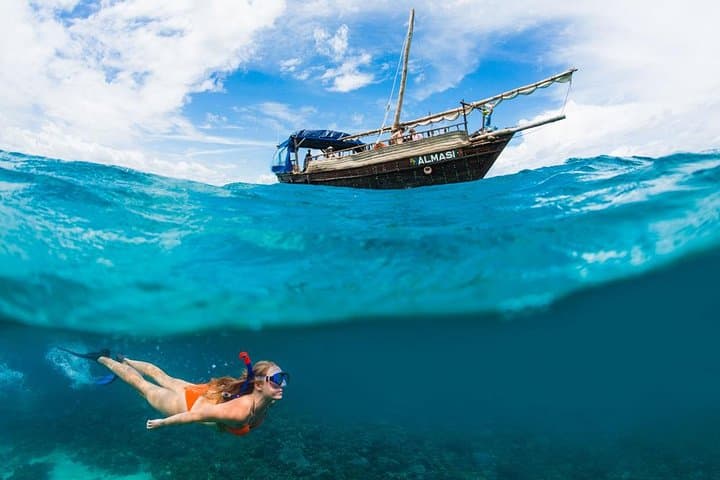
Board a traditional dhow at Shimoni for a full-day snorkel safari to Kisite Mpunguti Marine Park, with two reef swims, likely dolphin sightings and a fresh Swahili seafood lunch on Wasini Island. Small-group dhows and included transfers make this an accessible, all-ages marine outing from Diani.
Board a traditional dhow at Shimoni for a full-day snorkel safari to Kisite Mpunguti Marine Park, with two reef swims, likely dolphin sightings and a fresh Swahili seafood lunch on Wasini Island. Small-group dhows and included transfers make this an accessible, all-ages marine outing from Diani.
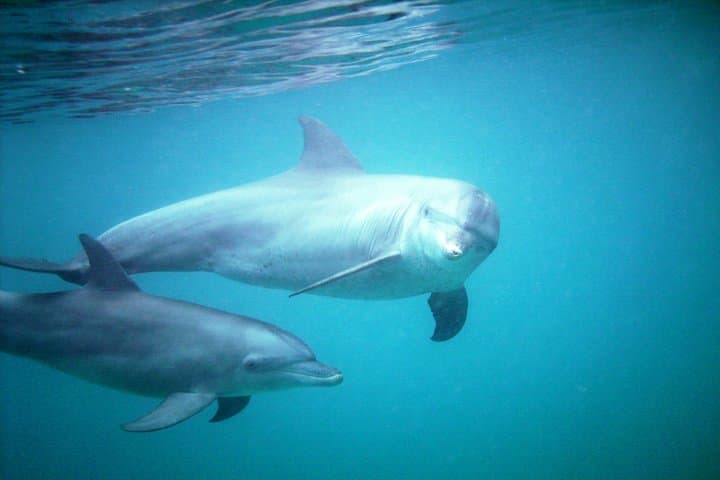
The dhow slides away from Shimoni with a soft, creaking rhythm; canvas bellies fill and the ocean opens into a sheet of glass edged with coral bommies. Salt and tea steam mingle on deck as guides point toward flashes of silver—dolphins often arc ahead, teasing the route to Kisite Mpunguti Marine Park.
Verified experiences and guided adventures in the surrounding area.
Operated by Pilli Pipa Dhow Safaris · Shimoni, Kwale County
The dhow slides away from Shimoni with a soft, creaking rhythm; canvas bellies fill and the ocean opens into a sheet of glass edged with coral bommies. Salt and tea steam mingle on deck as guides point toward flashes of silver—dolphins often arc ahead, teasing the route to Kisite Mpunguti Marine Park.
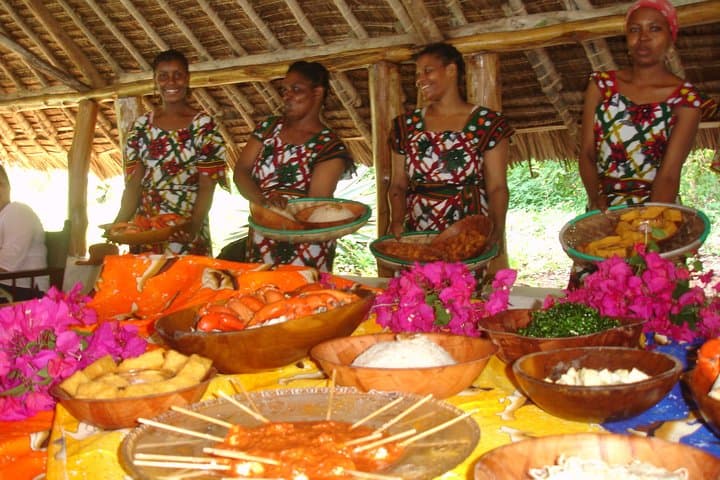
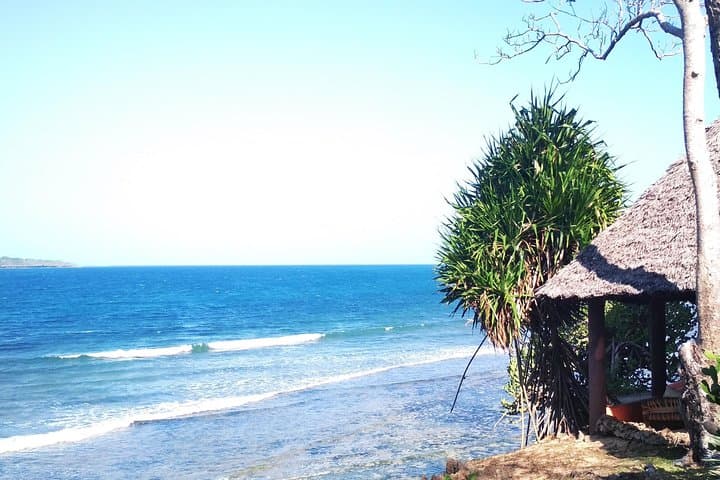
Kisite sits on the Kenyan continental shelf where centuries of reef growth build pockets of hard coral and lagoons alive with parrotfish and butterflyfish. Wasini Island keeps Swahili fishing traditions—dhows, mangrove creeks and a community kitchen that turns the day’s catch into a plain, bright seafood feast.
Expect two guided snorkel stops over shallow reefs and channels, each short swims from the dhow where visibility tends to be best in calmer months. The trip folds in a walk on Wasini, a fresh lunch of fish, crab or vegetarian alternatives, and return transfers to Diani—about an eight- to nine-hour day depending on tide and traffic.
Practical edge: all snorkel gear and life jackets are supplied and regularly serviced; certified divers can join paid dives if they show credentials. Water is warm year-round but visibility dips in rainy seasons and after strong currents. Bring reef-safe sunscreen, a light long-sleeve rash guard, a waterproof camera and cash for souvenirs. If you’re prone to seasickness, take medication beforehand—the Likoni channel can add a bump to the crossing. Guides are experienced; remain aware of currents when entering and exiting the water and follow the briefings to protect fragile corals.
moderate.
8–9 hours.
Moderate fitness; you should be comfortable swimming short distances and entering/exiting a small boat into the ocean.
No—dolphins are regularly seen on the crossing and around Kisite, but sightings cannot be guaranteed; guides will stop for sightings when safe.
Yes—certified divers may join paid dives if they present credentials; fun dives for non-certified divers are sometimes offered at an extra charge.
Pickup is standard from Diani, Msambweni or Tiwi hotels; collection from Mombasa and North Coast hotels is not usually offered due to distance and Likoni ferry delays—ask in advance for special arrangements.
Yes—the tour supplies masks, fins, snorkels, life jackets and buoyancy aids; equipment is regularly serviced and replaced.
Wasini and Shimoni sit within the Swahili coast where centuries of Indian Ocean trade shaped language, architecture and cuisine; dhows reflect a living maritime tradition.
Kisite Mpunguti is a protected marine park; visitors are asked to avoid touching coral, use reef-safe products and follow guides’ instructions to limit reef damage.
Pilli Pipa Dhow Safaris operates guided outdoor trips and adventures with an emphasis on safety, stewardship, and memorable experiences.
The dhow slides away from Shimoni with a soft, creaking rhythm; canvas bellies fill and the ocean opens into a sheet of glass edged with coral bommies. Salt and tea steam mingle on deck as guides point toward flashes of silver—dolphins often arc ahead, teasing the route to Kisite Mpunguti Marine Park.
The dhow slides away from Shimoni with a soft, creaking rhythm; canvas bellies fill and the ocean opens into a sheet of glass edged with coral bommies. Salt and tea steam mingle on deck as guides point toward flashes of silver—dolphins often arc ahead, teasing the route to Kisite Mpunguti Marine Park.
Kisite sits on the Kenyan continental shelf where centuries of reef growth build pockets of hard coral and lagoons alive with parrotfish and butterflyfish. Wasini Island keeps Swahili fishing traditions—dhows, mangrove creeks and a community kitchen that turns the day’s catch into a plain, bright seafood feast.
Expect two guided snorkel stops over shallow reefs and channels, each short swims from the dhow where visibility tends to be best in calmer months. The trip folds in a walk on Wasini, a fresh lunch of fish, crab or vegetarian alternatives, and return transfers to Diani—about an eight- to nine-hour day depending on tide and traffic.
Practical edge: all snorkel gear and life jackets are supplied and regularly serviced; certified divers can join paid dives if they show credentials. Water is warm year-round but visibility dips in rainy seasons and after strong currents. Bring reef-safe sunscreen, a light long-sleeve rash guard, a waterproof camera and cash for souvenirs. If you’re prone to seasickness, take medication beforehand—the Likoni channel can add a bump to the crossing. Guides are experienced; remain aware of currents when entering and exiting the water and follow the briefings to protect fragile corals.