THE ADVENTURE COLLECTIVE® · Independent discovery and booking for outdoor travel

Slip off Byron Bay and into the clear water around Julian Rocks, a volcanic outcrop where the East Australian Current brings tropical visitors. Guided snorkels with a marine biologist reveal turtles, carpet sharks and dense reef life—ideal for confident swimmers who want an accessible open‑ocean encounter.
Slip off Byron Bay and into the clear water around Julian Rocks, a volcanic outcrop where the East Australian Current brings tropical visitors. Guided snorkels with a marine biologist reveal turtles, carpet sharks and dense reef life—ideal for confident swimmers who want an accessible open‑ocean encounter.
The boat rocks gently as Wardjum slides away from the shore and the coastline narrows to a line. Salt and sunscreen mix in the air, and the scatter of offshore rocks grows into two dark ridges: Julian Rocks. The marine sanctuary drops away immediately—clear water, coral bommies, and fish that approach with the same confident curiosity as the guide.
Verified experiences and guided adventures in the surrounding area.
The boat rocks gently as Wardjum slides away from the shore and the coastline narrows to a line. Salt and sunscreen mix in the air, and the scatter of offshore rocks grows into two dark ridges: Julian Rocks. The marine sanctuary drops away immediately—clear water, coral bommies, and fish that approach with the same confident curiosity as the guide.
Julian Rocks is an offshore volcanic outcrop shaped by ancient lava flows and modern currents, and its position at the meeting of warm East Australian Current water and cooler southern seas produces unusual biodiversity. The site sits in Bundjalung Country; local language and names inform the area’s boating culture, and operators like the one behind Wardjum often work with marine biologists to interpret both natural history and Indigenous connections.
On a typical 2½‑hour trip you’ll cruise from central Byron Bay, briefed by a marine biologist, don provided mask, fins and wetsuit, then slip into visibility that often reaches 10–20 metres. Expect swim-throughs around rocky bommies, large reef fish, occasional turtles and the cryptic carpet sharks that claim crevices. Currents can be playful or insistent; guides time entries to conditions.
Practical side: arrive hydrated, wear reef‑safe sunscreen, and be honest about your swim comfort—this is guided but open ocean. Boots or sandals for the landing, a lightweight wetsuit in cooler months, and an underwater camera will keep memories sharp. Respect the sanctuary—no touching, no collecting—and listen to the biologist so the rocks keep offering surprises for years to come.
moderate.
2–3 hours.
Should be comfortable swimming 100–300 m in open water and able to tread or float for short periods; basic snorkel fitness required.
Typical runs from central Byron Bay to Julian Rocks take about 15–30 minutes depending on sea conditions and the vessel used.
Basic snorkeling skills and comfort in open water are recommended; guides can coach beginners, but nervous swimmers should disclose this before entering the water.
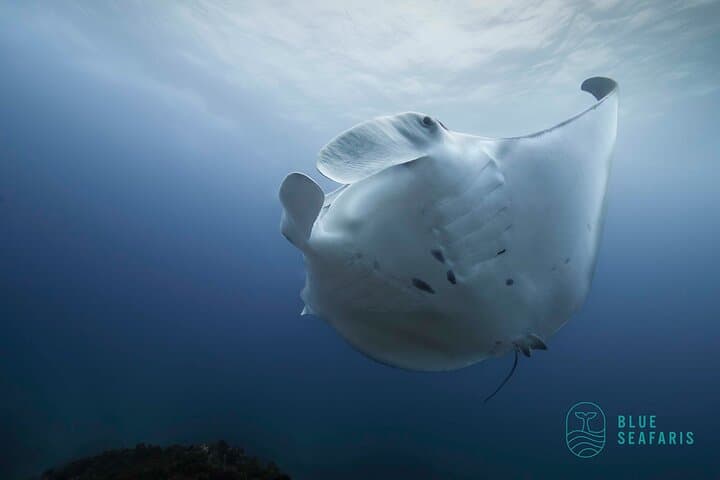
Common sightings include green sea turtles, tropical reef fish, and occasional carpet (wobbegong) sharks; larger visitors like rays or pelagic species appear seasonally.
Yes—Julian Rocks is a marine sanctuary with restrictions on fishing and anchoring; visitors must not touch or remove marine life and should follow guide instructions to avoid damage.
Julian Rocks lies on Bundjalung Country; local names and custodial practices inform modern tourism, and operators often acknowledge traditional owners while interpreting the marine environment.
The area is a designated marine sanctuary—stay on guided trips, use reef‑safe products, avoid contact with animals, and follow all rules to minimise impact.
The boat rocks gently as Wardjum slides away from the shore and the coastline narrows to a line. Salt and sunscreen mix in the air, and the scatter of offshore rocks grows into two dark ridges: Julian Rocks. The marine sanctuary drops away immediately—clear water, coral bommies, and fish that approach with the same confident curiosity as the guide.
The boat rocks gently as Wardjum slides away from the shore and the coastline narrows to a line. Salt and sunscreen mix in the air, and the scatter of offshore rocks grows into two dark ridges: Julian Rocks. The marine sanctuary drops away immediately—clear water, coral bommies, and fish that approach with the same confident curiosity as the guide.
Julian Rocks is an offshore volcanic outcrop shaped by ancient lava flows and modern currents, and its position at the meeting of warm East Australian Current water and cooler southern seas produces unusual biodiversity. The site sits in Bundjalung Country; local language and names inform the area’s boating culture, and operators like the one behind Wardjum often work with marine biologists to interpret both natural history and Indigenous connections.
On a typical 2½‑hour trip you’ll cruise from central Byron Bay, briefed by a marine biologist, don provided mask, fins and wetsuit, then slip into visibility that often reaches 10–20 metres. Expect swim-throughs around rocky bommies, large reef fish, occasional turtles and the cryptic carpet sharks that claim crevices. Currents can be playful or insistent; guides time entries to conditions.
Practical side: arrive hydrated, wear reef‑safe sunscreen, and be honest about your swim comfort—this is guided but open ocean. Boots or sandals for the landing, a lightweight wetsuit in cooler months, and an underwater camera will keep memories sharp. Respect the sanctuary—no touching, no collecting—and listen to the biologist so the rocks keep offering surprises for years to come.