THE ADVENTURE COLLECTIVE® · Independent discovery and booking for outdoor travel

Hanifaru Bay in Baa Atoll is a world-famous feeding ground where manta rays and whale sharks gather. This guided snorkeling trip places you in the water with safety oversight and a Marine Park fee included—ideal for observers comfortable in open water.
Hanifaru Bay in Baa Atoll is a world-famous feeding ground where manta rays and whale sharks gather. This guided snorkeling trip places you in the water with safety oversight and a Marine Park fee included—ideal for observers comfortable in open water.
The boat slips into pale-blue water and the sea seems to hold its breath—then a winged shadow glides beneath the surface. In Hanifaru Bay, aggregations of plankton draw manta rays and, seasonally, whale sharks to a feeding corridor where snorkelers can watch slow, deliberate mouths and wing-like pectoral fins pass beneath them.
Verified experiences and guided adventures in the surrounding area.
Operated by Tuktukdude Maldives · Dharavandhoo, Baa Atoll
The boat slips into pale-blue water and the sea seems to hold its breath—then a winged shadow glides beneath the surface. In Hanifaru Bay, aggregations of plankton draw manta rays and, seasonally, whale sharks to a feeding corridor where snorkelers can watch slow, deliberate mouths and wing-like pectoral fins pass beneath them.
Hanifaru sits in Baa Atoll, a UNESCO Biosphere Reserve declared in 2011 to protect these seasonal feeding events and the atoll’s rich coral banks. Geologically the atoll is a coral ring rising from deep ocean shelves; currents funnel plankton into the bay and create the pulse that attracts megafauna. Local island communities rely on sustainable tourism and strict park rules—touching or chasing animals is prohibited, and the park limits access during peak aggregations.
Expect clear water around 80°F (27°C) during the best months (May–November), strong currents at times, and vivid reef life around the feeding zone. The experience is equal parts watching and navigating: mantas may swoop inches below, whale sharks mouth-filter at a casual pace, and reef fish thread the sunlight.
Practical guidance: arrive with a well-fitting mask and reef-safe sunscreen, use a life jacket if you prefer, and follow your guide’s distance and approach rules. Boat transfers typically depart from Dharavandhoo; trips last roughly an hour on-site but include transit time. Bring a waterproof camera, keep low-impact behavior, and plan visits during the declared high season for the greatest chance of encounters.
moderate.
1 hour (on-site).
Suitable for people comfortable in open water and able to snorkel short surface intervals; basic swimming ability recommended.
Peak manta and whale shark aggregations typically occur May through November when plankton concentrations rise; sightings are more likely on calm, low-wind days.
No advanced skills are required, but you should be comfortable in open water and able to swim short distances; life jackets are provided for extra buoyancy.
Yes—Hanifaru Bay is in a Marine Protected Area with rules on approach distances and group sizes; guides enforce these to protect wildlife and guests.
This operator lists all sales final, but trips may be canceled by the provider for bad weather or insufficient travelers; check booking terms before paying.
Baa Atoll gained UNESCO Biosphere Reserve status in 2011 to protect its unique coral ecosystems and seasonal megafauna gatherings.
Access to Hanifaru Bay is tightly managed—operators include Marine Park fees and enforce no-touch/no-chase rules to minimize disturbance to feeding animals.
Tuktukdude Maldives operates guided outdoor trips and adventures with an emphasis on safety, stewardship, and memorable experiences.
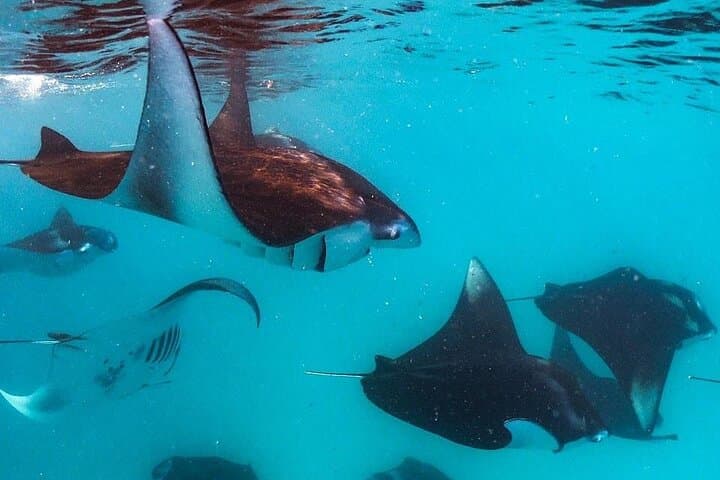
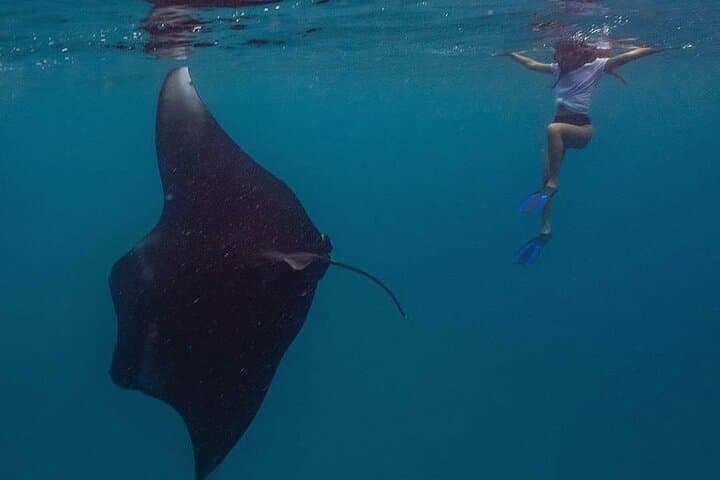
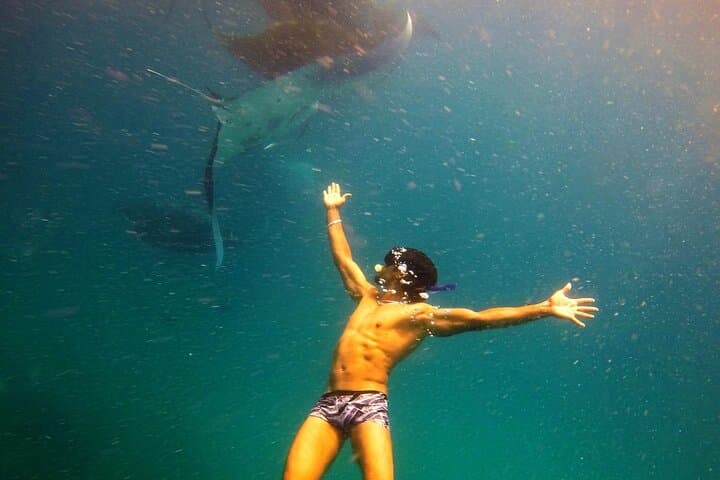
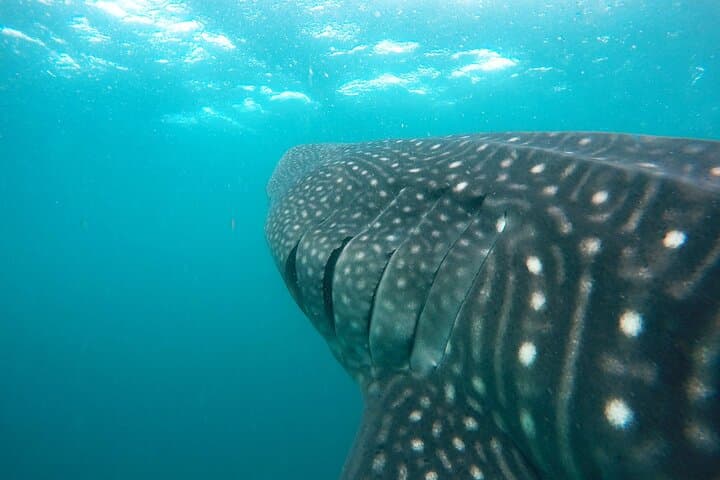
The boat slips into pale-blue water and the sea seems to hold its breath—then a winged shadow glides beneath the surface. In Hanifaru Bay, aggregations of plankton draw manta rays and, seasonally, whale sharks to a feeding corridor where snorkelers can watch slow, deliberate mouths and wing-like pectoral fins pass beneath them.
The boat slips into pale-blue water and the sea seems to hold its breath—then a winged shadow glides beneath the surface. In Hanifaru Bay, aggregations of plankton draw manta rays and, seasonally, whale sharks to a feeding corridor where snorkelers can watch slow, deliberate mouths and wing-like pectoral fins pass beneath them.
Hanifaru sits in Baa Atoll, a UNESCO Biosphere Reserve declared in 2011 to protect these seasonal feeding events and the atoll’s rich coral banks. Geologically the atoll is a coral ring rising from deep ocean shelves; currents funnel plankton into the bay and create the pulse that attracts megafauna. Local island communities rely on sustainable tourism and strict park rules—touching or chasing animals is prohibited, and the park limits access during peak aggregations.
Expect clear water around 80°F (27°C) during the best months (May–November), strong currents at times, and vivid reef life around the feeding zone. The experience is equal parts watching and navigating: mantas may swoop inches below, whale sharks mouth-filter at a casual pace, and reef fish thread the sunlight.
Practical guidance: arrive with a well-fitting mask and reef-safe sunscreen, use a life jacket if you prefer, and follow your guide’s distance and approach rules. Boat transfers typically depart from Dharavandhoo; trips last roughly an hour on-site but include transit time. Bring a waterproof camera, keep low-impact behavior, and plan visits during the declared high season for the greatest chance of encounters.