THE ADVENTURE COLLECTIVE® · Independent discovery and booking for outdoor travel

Glide over shallow reefs, concrete cannons and anchors on Fort Lauderdale’s Jean Cousteau Shipwreck Trail. This 90-minute snorkel mixes easy swimming with rich marine life and a history of local reef restoration.
Glide over shallow reefs, concrete cannons and anchors on Fort Lauderdale’s Jean Cousteau Shipwreck Trail. This 90-minute snorkel mixes easy swimming with rich marine life and a history of local reef restoration.
You push off from a sandy rip-rap, the Atlantic morning pressing cool against your arms as guides point the group toward a shallow line of broken coral and concrete relics bobbing under a flat blue surface. The trail—laid out as a shipwreck tableau—sits in waist-to-chest-deep water for much of the route, letting swimmers glide above anchors, ballast piles and replica cannons while schools of reef fish scroll by.
Verified experiences and guided adventures in the surrounding area.
Operated by Sunrise Paddleboards LLC. · Fort Lauderdale, Florida
You push off from a sandy rip-rap, the Atlantic morning pressing cool against your arms as guides point the group toward a shallow line of broken coral and concrete relics bobbing under a flat blue surface. The trail—laid out as a shipwreck tableau—sits in waist-to-chest-deep water for much of the route, letting swimmers glide above anchors, ballast piles and replica cannons while schools of reef fish scroll by.
The trail was dedicated by Jean-Michel Cousteau in the early 2000s and grew from local coral-rebuilding efforts tied to early Biorock experiments. Geologically it’s part of the southeast Florida reef tract: a nearshore carbonate shelf with mixed natural and artificial rubble that attracts turtles, rays and schooling tangs. The coastline’s fishing and dive culture shaped the trail—local guides combine hands-on reef history with conservation messaging and cleanup partnerships.
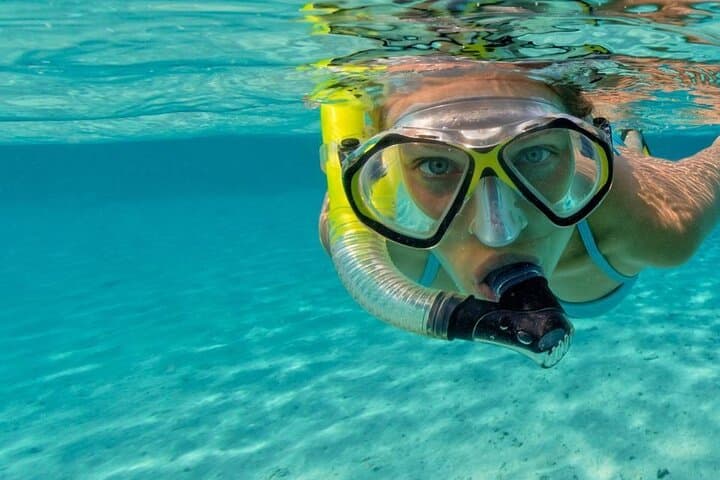
Expect clear, shallow snorkeling in 8–16 feet of water with abundant tropical species — from parrotfish and angelfish to nurse sharks and octopus. Conditions change with tides and swell; operators require a verbal check-in 24 hours before the trip to confirm go/no-go status. Guides supply masks, snorkels, fins and life jackets; swimmers should be comfortable in open water and able to snorkel for the full 90 minutes.
Practical tips: arrive early to beat afternoon winds, wear reef-safe sunscreen and a snug mask to reduce fog, and use water shoes for beach entry. This is a short, accessible reef encounter that rewards steady swimming, situational awareness, and a respect for fragile coral—observe, photograph, but don’t touch.
moderate.
1.5 hours.
Moderate fitness; must be able to swim and snorkel continuously for the tour length
Yes — operators require participants to know how to swim and be comfortable snorkeling in open water for the duration of the tour.
The trail ranges roughly between 8 and 16 feet deep, with many features accessible in shallow water ideal for snorkelers.
Bring your reservation, reef-safe sunscreen, water, a towel, and any personal mask or fins; confirm meeting details with your guide 24 hours prior.
Children who can swim and snorkel confidently may join, but group size limits and operator discretion apply — check age and ability with the guide when booking.
The trail was developed in the late 1990s and dedicated by Jean-Michel Cousteau in 2002 as part of local reef-awareness and early coral restoration efforts.
The site is sensitive; guests are asked not to touch coral or feed fish. Operators support local cleanup and coral-project initiatives to reduce debris and encourage regrowth.
Sunrise Paddleboards LLC. operates guided outdoor trips and adventures with an emphasis on safety, stewardship, and memorable experiences.

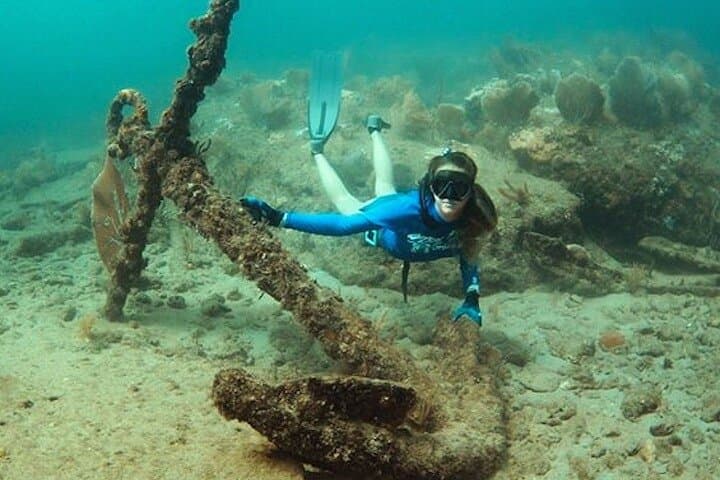
You push off from a sandy rip-rap, the Atlantic morning pressing cool against your arms as guides point the group toward a shallow line of broken coral and concrete relics bobbing under a flat blue surface. The trail—laid out as a shipwreck tableau—sits in waist-to-chest-deep water for much of the route, letting swimmers glide above anchors, ballast piles and replica cannons while schools of reef fish scroll by.
You push off from a sandy rip-rap, the Atlantic morning pressing cool against your arms as guides point the group toward a shallow line of broken coral and concrete relics bobbing under a flat blue surface. The trail—laid out as a shipwreck tableau—sits in waist-to-chest-deep water for much of the route, letting swimmers glide above anchors, ballast piles and replica cannons while schools of reef fish scroll by.
The trail was dedicated by Jean-Michel Cousteau in the early 2000s and grew from local coral-rebuilding efforts tied to early Biorock experiments. Geologically it’s part of the southeast Florida reef tract: a nearshore carbonate shelf with mixed natural and artificial rubble that attracts turtles, rays and schooling tangs. The coastline’s fishing and dive culture shaped the trail—local guides combine hands-on reef history with conservation messaging and cleanup partnerships.
Expect clear, shallow snorkeling in 8–16 feet of water with abundant tropical species — from parrotfish and angelfish to nurse sharks and octopus. Conditions change with tides and swell; operators require a verbal check-in 24 hours before the trip to confirm go/no-go status. Guides supply masks, snorkels, fins and life jackets; swimmers should be comfortable in open water and able to snorkel for the full 90 minutes.
Practical tips: arrive early to beat afternoon winds, wear reef-safe sunscreen and a snug mask to reduce fog, and use water shoes for beach entry. This is a short, accessible reef encounter that rewards steady swimming, situational awareness, and a respect for fragile coral—observe, photograph, but don’t touch.