
Snorkel Cabo Pulmo: Day Trip to Cousteau’s 'Natural Aquarium' from Cabo San Lucas
A day-long panga and snorkel expedition to Cabo Pulmo brings you into one of the Pacific’s most productive reefs—schooling fish, sea lions, and turtles—followed by a village lunch. Expect a 2-hour East Cape drive from Cabo San Lucas and calm morning waters for your best viewing.
An Adventure In Cabo San Lucas.
A day-long panga and snorkel expedition to Cabo Pulmo brings you into one of the Pacific’s most productive reefs—schooling fish, sea lions, and turtles—followed by a village lunch. Expect a 2-hour East Cape drive from Cabo San Lucas and calm morning waters for your best viewing.
Read the full experience
The morning van pulls away from Cabo San Lucas with a quiet hum; the highway opens, then narrows, and the desert scrubs and volcanic ridges begin to lean toward the sea. Two hours later, the road drops to a thin spit of sand and rock and the village of Cabo Pulmo appears—low white houses, a palm fringe, and the ocean opening like a dark, living map. Jacques Cousteau called this place "The World's Natural Aquarium," and a few minutes in a panga—surfing chop and salt on your lips—makes it easy to understand why.
The morning van pulls away from Cabo San Lucas with a quiet hum; the highway opens, then narrows, and the desert scrubs and volcanic ridges begin to lean toward the sea. Two hours later, the road drops to a thin spit of sand and rock and the village of Cabo Pulmo appears—low white houses, a palm fringe, and the ocean opening like a dark, living map. Jacques Cousteau called this place "The World's Natural Aquarium," and a few minutes in a panga—surfing chop and salt on your lips—makes it easy to understand why.
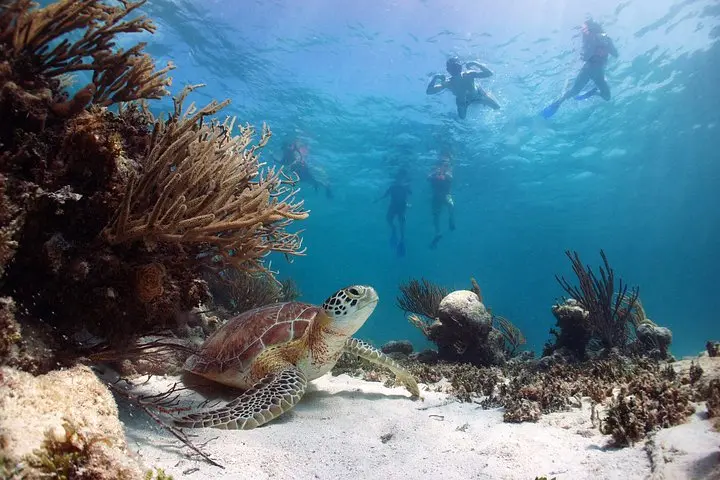
Cabo Pulmo sits on the eastern flank of Baja California Sur where tectonic plates and currents have conspired for millennia. The park protects one of the oldest living coral reefs on the Pacific coast of North America; its weathered rock and offshore ridges channel nutrient-rich water that feeds schools of jacks, rays, and the gentle giants—loggerhead and green turtles. The village itself is small and community-run; fishing has shifted from extractive practice toward eco-tourism since the park was established in 1995, and lunch in Pulmo tastes like that transition—freshly grilled fish, cactus salad, lime.
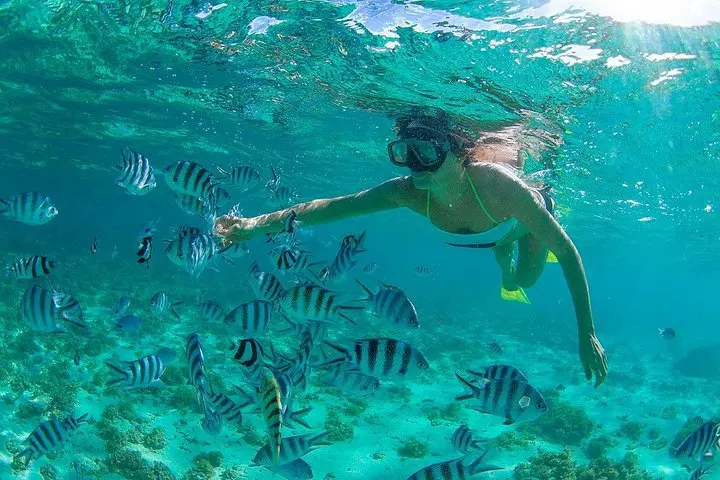
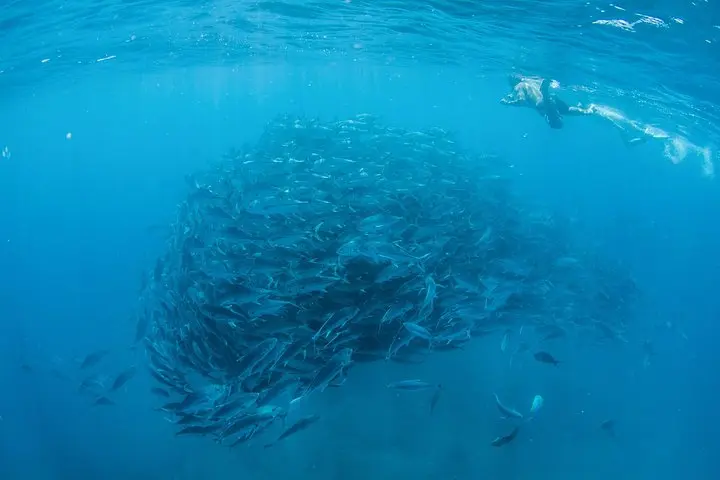
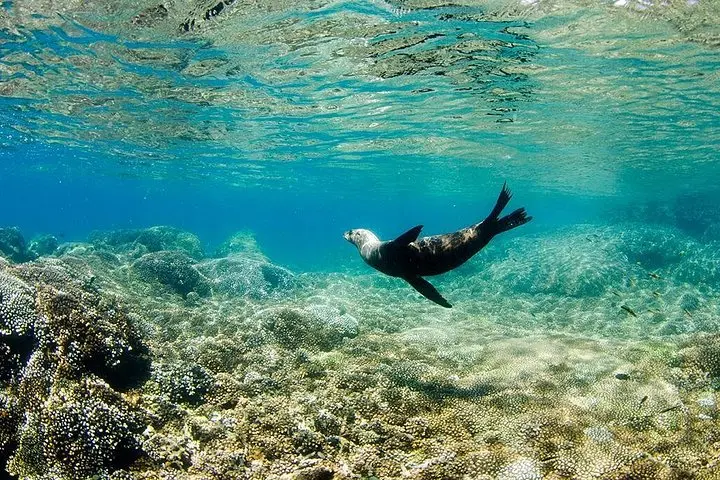
On this full-day expedition athletes drift through three or four snorkel sites in and around the reef. Guides lead short surface swims, point out coral formations and tell stories about local currents and seasonal migrations. Sea lions often show up like comic relief—curious, swift, and unapologetically playful—while larger schools of fish form living curtains that move as one.
Practical notes are integral to the experience: pickup from Cabo San Lucas is early—expect a roughly 2-hour scenic drive along the East Cape—so plan for hydration and sun protection. The boat time includes short rides between reefs; winds pick up in late afternoon, so mornings and early afternoons are calmer. This operator provides snorkel gear and bottled water and serves a village lunch, but travelers must be comfortable swimming and have prior snorkeling experience.
For photographers, low-angle shots from the panga and underwater wide-angle lenses capture the reef scale, while the village’s shoreline light is best around golden hour on the return. Conservation is part of the day—the guides emphasize reef-safe sunscreen and minimal contact with corals—and the park’s recovery story is a reminder that protected areas require community commitment.
If you want a marine day that pairs easy logistics with serious wildlife payoff, this trip delivers. It’s not a swim lesson; it’s a curated encounter with a reef that has survived change and now offers one of the most productive, accessible snorkel systems on Mexico’s Pacific side.
Frequently asked questions
Pickup is about 1 hour before the departure time and the drive to Cabo Pulmo takes roughly 2 hours each way.
Yes—snorkeling equipment and bottled water are included, but many travelers bring their own mask for a better fit.
Yes—guests must have previous snorkeling experience and be comfortable in open water.
Expect large schools of reef fish, sea turtles, occasional rays, and playful sea lions; sightings depend on season and conditions.
No—this tour is not suitable for expectant mothers or those with serious spinal or heart conditions.
For a full refund cancel at least 24 hours before departure; trips may be canceled for bad weather.
About This Experience
Cabo Adventures operates guided outdoor trips and adventures with an emphasis on safety, stewardship, and memorable experiences.
Adventure tips
Recommended gear
- Reef-safe sunscreen: Protects coral and your skin during long sun exposure on deck and in the water.
- Mask and snorkel (personal): A personal mask often fits better than rental gear and reduces fogging.
- Light rashguard or wetskin: Provides sun protection and extra warmth for early-morning or cooler-water swims.
- Water shoes: Useful for rocky shore entries and boarding small pangas.
Photos of the experience
Related adventures & guides
Read the full experience
The morning van pulls away from Cabo San Lucas with a quiet hum; the highway opens, then narrows, and the desert scrubs and volcanic ridges begin to lean toward the sea. Two hours later, the road drops to a thin spit of sand and rock and the village of Cabo Pulmo appears—low white houses, a palm fringe, and the ocean opening like a dark, living map. Jacques Cousteau called this place "The World's Natural Aquarium," and a few minutes in a panga—surfing chop and salt on your lips—makes it easy to understand why.
The morning van pulls away from Cabo San Lucas with a quiet hum; the highway opens, then narrows, and the desert scrubs and volcanic ridges begin to lean toward the sea. Two hours later, the road drops to a thin spit of sand and rock and the village of Cabo Pulmo appears—low white houses, a palm fringe, and the ocean opening like a dark, living map. Jacques Cousteau called this place "The World's Natural Aquarium," and a few minutes in a panga—surfing chop and salt on your lips—makes it easy to understand why.
Cabo Pulmo sits on the eastern flank of Baja California Sur where tectonic plates and currents have conspired for millennia. The park protects one of the oldest living coral reefs on the Pacific coast of North America; its weathered rock and offshore ridges channel nutrient-rich water that feeds schools of jacks, rays, and the gentle giants—loggerhead and green turtles. The village itself is small and community-run; fishing has shifted from extractive practice toward eco-tourism since the park was established in 1995, and lunch in Pulmo tastes like that transition—freshly grilled fish, cactus salad, lime.
On this full-day expedition athletes drift through three or four snorkel sites in and around the reef. Guides lead short surface swims, point out coral formations and tell stories about local currents and seasonal migrations. Sea lions often show up like comic relief—curious, swift, and unapologetically playful—while larger schools of fish form living curtains that move as one.
Practical notes are integral to the experience: pickup from Cabo San Lucas is early—expect a roughly 2-hour scenic drive along the East Cape—so plan for hydration and sun protection. The boat time includes short rides between reefs; winds pick up in late afternoon, so mornings and early afternoons are calmer. This operator provides snorkel gear and bottled water and serves a village lunch, but travelers must be comfortable swimming and have prior snorkeling experience.
For photographers, low-angle shots from the panga and underwater wide-angle lenses capture the reef scale, while the village’s shoreline light is best around golden hour on the return. Conservation is part of the day—the guides emphasize reef-safe sunscreen and minimal contact with corals—and the park’s recovery story is a reminder that protected areas require community commitment.
If you want a marine day that pairs easy logistics with serious wildlife payoff, this trip delivers. It’s not a swim lesson; it’s a curated encounter with a reef that has survived change and now offers one of the most productive, accessible snorkel systems on Mexico’s Pacific side.
Make a day of it nearby.
Verified experiences and guided adventures in the surrounding area.