THE ADVENTURE COLLECTIVE® · Independent discovery and booking for outdoor travel

Float the Snake River beneath the Grand Tetons in high-backed comfort — a slow, wildlife-rich trip that introduces you to the valley’s geology, history, and birdlife. Comfortable seating and calm water make this an accessible way to see Jackson Hole from its greatest waterway.
Float the Snake River beneath the Grand Tetons in high-backed comfort — a slow, wildlife-rich trip that introduces you to the valley’s geology, history, and birdlife. Comfortable seating and calm water make this an accessible way to see Jackson Hole from its greatest waterway.
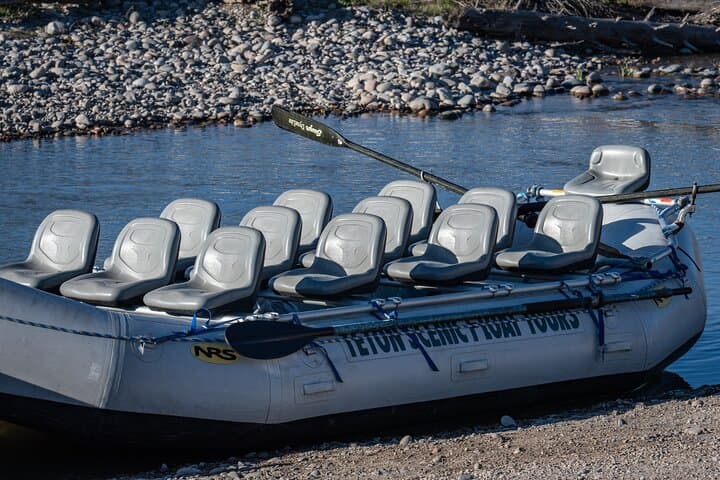
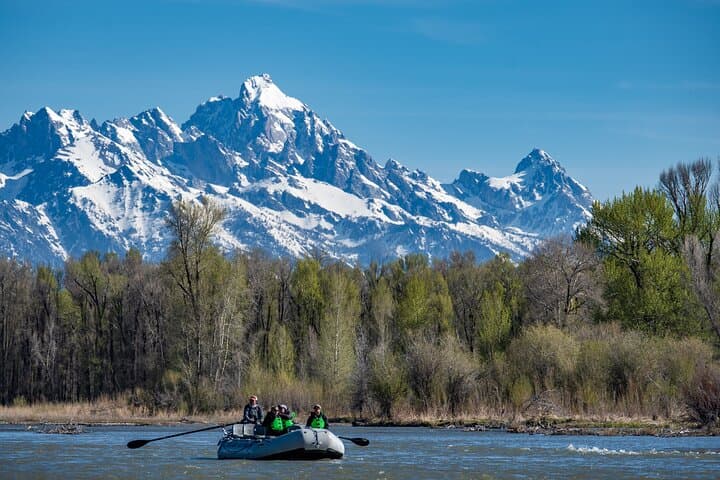
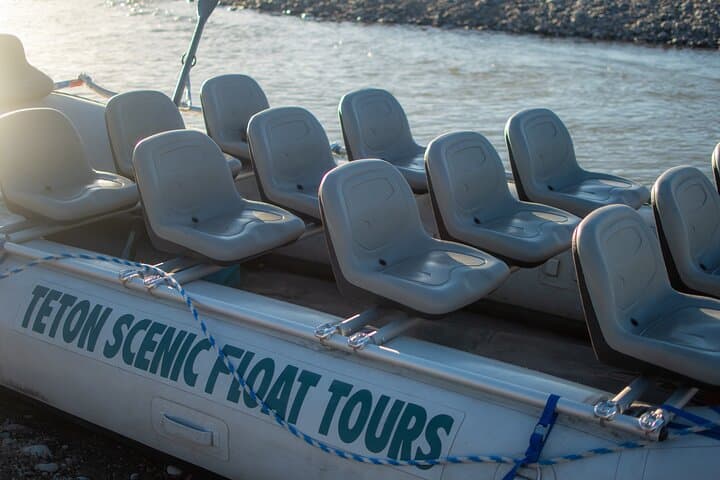
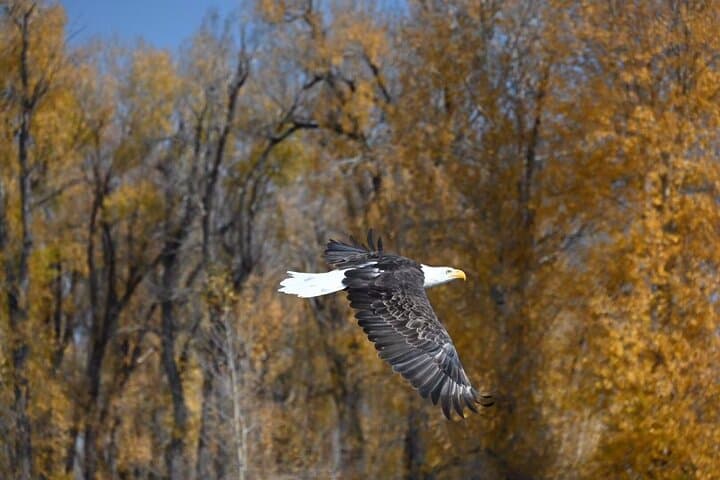
Morning light slices across the Grand Tetons as the raft eases off the bank and the Snake River takes the lead, pushing you slowly downstream. High-backed seats keep the ride comfortable while water slaps the hull in soft, steady taps; eagles wheel above and beavers slip into reed-lined eddies. The valley opens, the mountains loom, and the river tells a long story in every bend.
Verified experiences and guided adventures in the surrounding area.
Operated by Wandering Angler and Teton Scenic Float Tours · Jackson, Wyoming
Morning light slices across the Grand Tetons as the raft eases off the bank and the Snake River takes the lead, pushing you slowly downstream. High-backed seats keep the ride comfortable while water slaps the hull in soft, steady taps; eagles wheel above and beavers slip into reed-lined eddies. The valley opens, the mountains loom, and the river tells a long story in every bend.
The Snake River carved Jackson Hole over millennia, its channels shaped by glacial melt and mountain runoff. The corridor has long been a travel route — from Shoshone use to early trappers and settlers — and today the river remains both working landscape and wildlife highway. Geologically, the river runs through alluvial deposits at ~6,200 ft, framed by granite peaks uplifted by tectonic forces.
Culturally, you’ll see evidence of ranching and early river landings along the banks; guides often point out historic homesteads and ferry sites. Keep an eye for river ecology in action: osprey fishing, otters riding the current, and elk coming down to drink. The float is mostly gentle flatwater with brief riffles — an accessible way to experience the Tetons from the river’s perspective.
Practical guidance: trips run about three hours total with roughly two hours on the water covering approximately 6–8 miles. Arrive early for the briefing, bring layered clothing for variable mountain sun and wind, and use quiet optics for wildlife viewing. This is a dry ride for most, but sandals or water shoes are recommended for getting on and off the raft. Respect wildlife distances and pack out all trash; the river is fragile and shared.
easy.
3 hours.
Suitable for all fitness levels; must be able to step into and out of a low raft and follow crew safety instructions.
Expect roughly two hours on the water; the full experience is about three hours including transport and briefing.
This is mostly a dry float, though your feet or lower legs may get wet during boarding or on waves; water shoes are recommended.
Common sightings include bald eagles, osprey, beavers, river otters, elk, moose and occasionally bears along the banks.
Trips may be canceled for severe weather; cancel at least 24 hours in advance for a full refund as per the operator’s policy.
The Snake River corridor was a travel and trading route for Indigenous peoples and later for trappers and homesteaders; historic ferries and ranch sites still mark the banks.
Operators emphasize no-wake wildlife distances and Leave No Trace — keep noise low and avoid approaching animals to reduce disturbance.
Wandering Angler and Teton Scenic Float Tours operates guided outdoor trips and adventures with an emphasis on safety, stewardship, and memorable experiences.
Morning light slices across the Grand Tetons as the raft eases off the bank and the Snake River takes the lead, pushing you slowly downstream. High-backed seats keep the ride comfortable while water slaps the hull in soft, steady taps; eagles wheel above and beavers slip into reed-lined eddies. The valley opens, the mountains loom, and the river tells a long story in every bend.
Morning light slices across the Grand Tetons as the raft eases off the bank and the Snake River takes the lead, pushing you slowly downstream. High-backed seats keep the ride comfortable while water slaps the hull in soft, steady taps; eagles wheel above and beavers slip into reed-lined eddies. The valley opens, the mountains loom, and the river tells a long story in every bend.
The Snake River carved Jackson Hole over millennia, its channels shaped by glacial melt and mountain runoff. The corridor has long been a travel route — from Shoshone use to early trappers and settlers — and today the river remains both working landscape and wildlife highway. Geologically, the river runs through alluvial deposits at ~6,200 ft, framed by granite peaks uplifted by tectonic forces.
Culturally, you’ll see evidence of ranching and early river landings along the banks; guides often point out historic homesteads and ferry sites. Keep an eye for river ecology in action: osprey fishing, otters riding the current, and elk coming down to drink. The float is mostly gentle flatwater with brief riffles — an accessible way to experience the Tetons from the river’s perspective.
Practical guidance: trips run about three hours total with roughly two hours on the water covering approximately 6–8 miles. Arrive early for the briefing, bring layered clothing for variable mountain sun and wind, and use quiet optics for wildlife viewing. This is a dry ride for most, but sandals or water shoes are recommended for getting on and off the raft. Respect wildlife distances and pack out all trash; the river is fragile and shared.