THE ADVENTURE COLLECTIVE® · Independent discovery and booking for outdoor travel

A full-day Super Jeep loop from Reykjavik that compresses Snæfellsnes’ volcanoes, black beaches, basalt towers and fishing villages into an accessible 7–8 hour outing. Ideal for photographers, geology fans and wildlife watchers who prefer short walks and big landscapes.
A full-day Super Jeep loop from Reykjavik that compresses Snæfellsnes’ volcanoes, black beaches, basalt towers and fishing villages into an accessible 7–8 hour outing. Ideal for photographers, geology fans and wildlife watchers who prefer short walks and big landscapes.
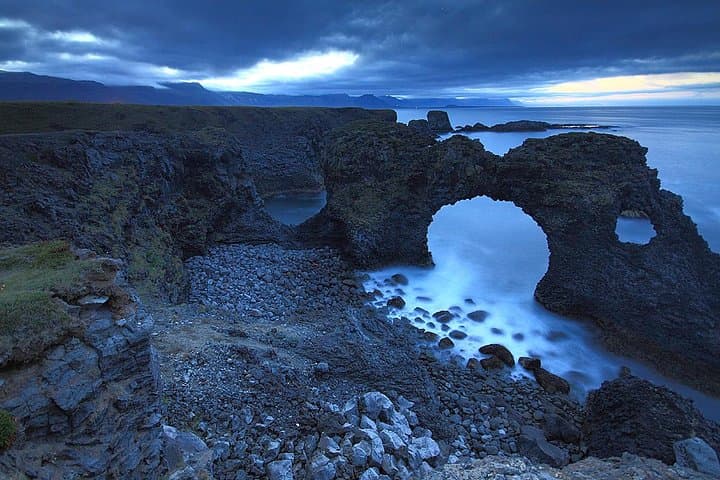
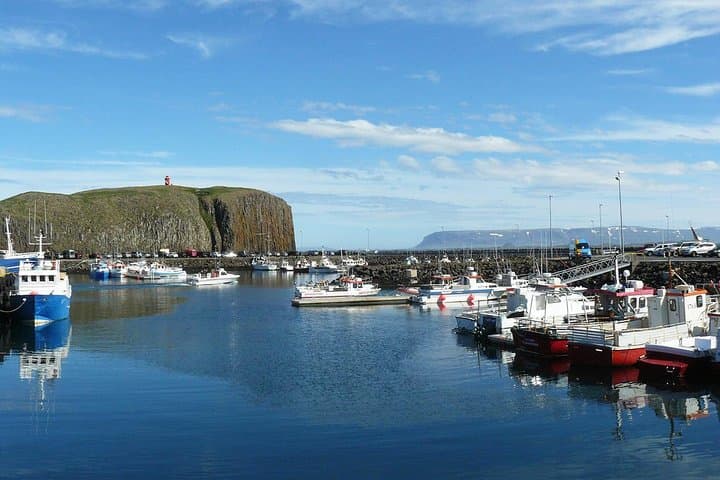
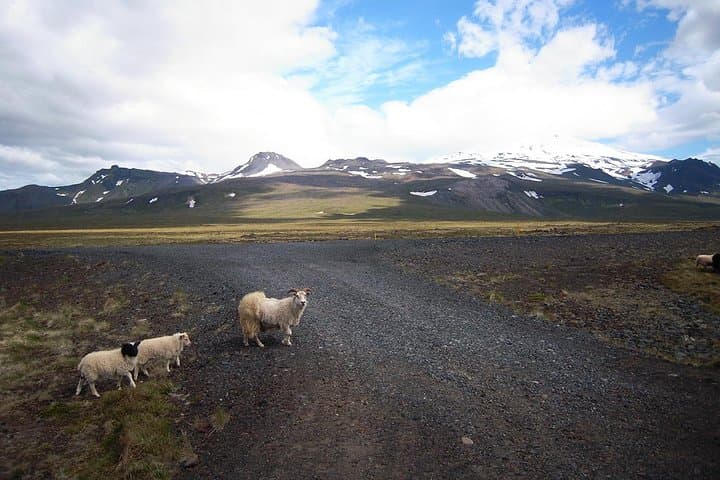
You feel the Super Jeep shift under you as the road opens onto a coastline of black sand, basalt fingers and wind-creased grasses. Salt and sulfur hang faintly in the air; the car climbs out of the low lava plains and a distant cone of ice—Snæfellsjökull—dominates the horizon. Stops are frequent: a pastel fishing hamlet, a lone mountain, a gold sand cove and cliffs that hum with seabirds.
Verified experiences and guided adventures in the surrounding area.
Operated by Try Iceland Tours · Stykkishólmur, Western Region
You feel the Super Jeep shift under you as the road opens onto a coastline of black sand, basalt fingers and wind-creased grasses. Salt and sulfur hang faintly in the air; the car climbs out of the low lava plains and a distant cone of ice—Snæfellsjökull—dominates the horizon. Stops are frequent: a pastel fishing hamlet, a lone mountain, a gold sand cove and cliffs that hum with seabirds.
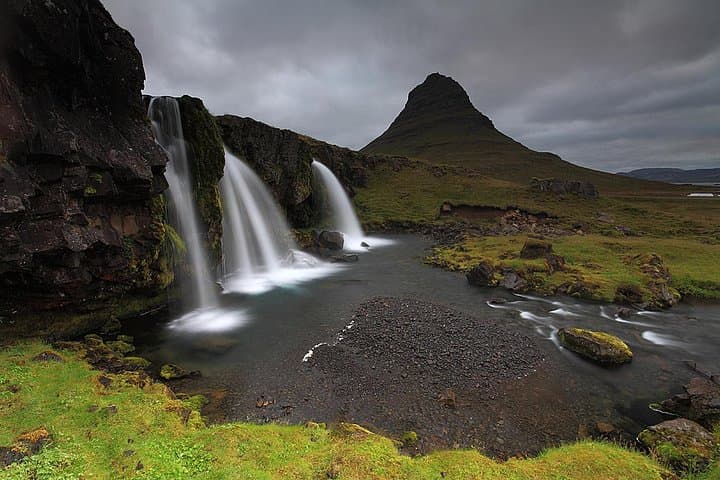
This peninsula stitches together Viking history, 800,000 years of volcanic geology and coastal farm culture. Kirkjufell, often photographed beside a stepped waterfall, is a volcanic remnant sculpted by glaciers. Búðir’s black church sits on old lava flows called Búðahraun. Lóndrangar’s basalt stacks are eroded plugs left standing like ruined towers where ancient sagas once pointed to sea routes and rival clans.
Practically, expect a full 7–8 hour day with a mix of pavement and gravel driving; the vehicle does much of the rough work, while on-foot visits are short—typically 0.5–2 km—on uneven coastal trails and stairs with minimal overall elevation gain, except for short climbs to viewpoints. Weather changes fast: wind, drizzle and sudden sun are normal.
Bring layered waterproofs, sturdy hiking shoes, binoculars and a camera. Time your visit for long daylight in summer or dramatic low-light in shoulder seasons; pick a clear day if you want glacier views. Respect nesting birds on cliffs and leave no trace on fragile moss and lava fields. The trip is accessible for most fitness levels and gives a compact, uncrowded survey of one of Iceland’s most characterful peninsulas.
easy.
7–8 hours.
Suitable for most people who can manage short coastal walks of up to 2 km on uneven terrain; no sustained climbs required.
The tour runs about 7–8 hours; it’s a guided road loop with several short stops and easy to moderate short walks—expect a relaxed, photo-focused pace.
No; the Super Jeep provides views of the glacier and volcano from accessible viewpoints—summiting requires mountaineering skills and additional time.
Yes for short, flat stops—however some viewpoints involve uneven ground and steps; specialized infant seats are available and operators note stroller accessibility for limited sections.
Tours are weather-dependent; if canceled you’ll be offered an alternative date or full refund, and the Super Jeep improves access on rough roads but cannot control storms.
The peninsula has long been a maritime crossroads in Icelandic sagas; local towns retain 19th–20th century fishing architecture and traditional livelihoods.
Fragile moss and lava fields take centuries to recover; stick to paths, avoid stepping on moss and follow local guidance to reduce erosion and wildlife disturbance.
Try Iceland Tours operates guided outdoor trips and adventures with an emphasis on safety, stewardship, and memorable experiences.
You feel the Super Jeep shift under you as the road opens onto a coastline of black sand, basalt fingers and wind-creased grasses. Salt and sulfur hang faintly in the air; the car climbs out of the low lava plains and a distant cone of ice—Snæfellsjökull—dominates the horizon. Stops are frequent: a pastel fishing hamlet, a lone mountain, a gold sand cove and cliffs that hum with seabirds.
You feel the Super Jeep shift under you as the road opens onto a coastline of black sand, basalt fingers and wind-creased grasses. Salt and sulfur hang faintly in the air; the car climbs out of the low lava plains and a distant cone of ice—Snæfellsjökull—dominates the horizon. Stops are frequent: a pastel fishing hamlet, a lone mountain, a gold sand cove and cliffs that hum with seabirds.
This peninsula stitches together Viking history, 800,000 years of volcanic geology and coastal farm culture. Kirkjufell, often photographed beside a stepped waterfall, is a volcanic remnant sculpted by glaciers. Búðir’s black church sits on old lava flows called Búðahraun. Lóndrangar’s basalt stacks are eroded plugs left standing like ruined towers where ancient sagas once pointed to sea routes and rival clans.
Practically, expect a full 7–8 hour day with a mix of pavement and gravel driving; the vehicle does much of the rough work, while on-foot visits are short—typically 0.5–2 km—on uneven coastal trails and stairs with minimal overall elevation gain, except for short climbs to viewpoints. Weather changes fast: wind, drizzle and sudden sun are normal.
Bring layered waterproofs, sturdy hiking shoes, binoculars and a camera. Time your visit for long daylight in summer or dramatic low-light in shoulder seasons; pick a clear day if you want glacier views. Respect nesting birds on cliffs and leave no trace on fragile moss and lava fields. The trip is accessible for most fitness levels and gives a compact, uncrowded survey of one of Iceland’s most characterful peninsulas.