THE ADVENTURE COLLECTIVE® · Independent discovery and booking for outdoor travel

Skip the big buses and see Snæfellsnes on your own terms: a private, anticlockwise route past Kirkjufell, Snæfellsjökull and seal-studded beaches. This guide covers what to expect, local history, terrain and practical tips for a 10-hour day trip from Reykjavík.
Skip the big buses and see Snæfellsnes on your own terms: a private, anticlockwise route past Kirkjufell, Snæfellsjökull and seal-studded beaches. This guide covers what to expect, local history, terrain and practical tips for a 10-hour day trip from Reykjavík.
You step out of the minivan and a raw wind greets you: cold breath off a glacier, salt off the sea. The road slips away behind you and the Snæfellsnes coastline opens—basalt cliffs, black-pebble beaches and a glacier-crowned volcano that domes the horizon. The day is planned to move opposite the big buses, so viewpoints feel personal and the usual crowds thin into the landscape.
Verified experiences and guided adventures in the surrounding area.
Operated by Elements4travel · Grundarfjörður, Western Region
You step out of the minivan and a raw wind greets you: cold breath off a glacier, salt off the sea. The road slips away behind you and the Snæfellsnes coastline opens—basalt cliffs, black-pebble beaches and a glacier-crowned volcano that domes the horizon. The day is planned to move opposite the big buses, so viewpoints feel personal and the usual crowds thin into the landscape.
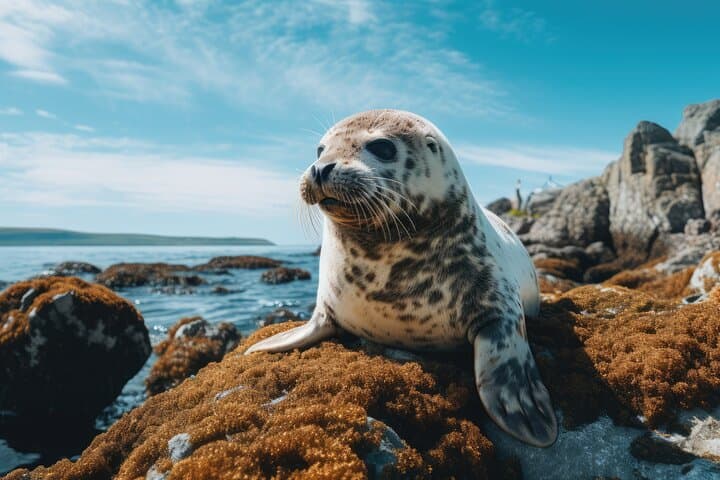
Snæfellsnes is geologically young and violent: lava fields rutted by ancient flows, columnar basalt at Gerðuberg, and Djúpalónssandur’s stony shore where fishing hulks once strained against the surf. The glacier Snæfellsjökull caps a volcanic system celebrated in local sagas and in Jules Verne’s writing; nearby towns like Búðir and Arnarstapi carry fishing-era churches and turf-roof memory. Culture here is small-scale and maritime—seal colonies loaf on Ytri Tunga, Grundarfjörður frames Kirkjufell’s photogenic cone (463 m), and local guides move with the tides and weather.
Practically, expect many short stops and 15–60 minute walks over uneven lava, boardwalks and sand. Wear waterproof layers and sturdy boots with grip, and bring binoculars for seals and sea birds. Travel time from Reykjavík is roughly 2–2.5 hours each way; plan for a 10-hour day with a lunch break in a fishing village. In winter daylight is short and winds can gust; in summer the midnight sun stretches the light. Respect wildlife distances, avoid trampling fragile moss on lava, and carry a charged phone and a power bank—there are long stretches between services. This tour gives a brisk, tactile introduction to a corner of Iceland where fire, ice and sea meet on a human scale.
easy.
10 hours (full day).
Suitable for most fitness levels — includes short walks (15–60 minutes) over uneven terrain; basic mobility required.
The tour is approximately 10 hours with around 2–2.5 hours each way from Reykjavík; expect multiple short stops and about an hour of walking spread across sites.
Yes — the itinerary includes a photo stop at Kirkjufell and views of Snæfellsjökull; glacier visibility depends on weather and cloud cover.
The tour is family-friendly with short walks; however some terrain is uneven (lava, sand) and may be challenging for mobility-limited guests—consult the operator for accommodation options.
Most towns and vendors accept cards, but bring small change for remote stops or small purchases; food breaks are planned during the day.
The peninsula has strong fishing and Viking-era roots; towns like Borgarnes and Grundarfjörður preserve sagas, coastal churches and maritime traditions.
Fragile moss and lichens on lava recover slowly; stay on marked trails and avoid leaving any waste to protect the fragile ecosystem.
Elements4travel operates guided outdoor trips and adventures with an emphasis on safety, stewardship, and memorable experiences.


You step out of the minivan and a raw wind greets you: cold breath off a glacier, salt off the sea. The road slips away behind you and the Snæfellsnes coastline opens—basalt cliffs, black-pebble beaches and a glacier-crowned volcano that domes the horizon. The day is planned to move opposite the big buses, so viewpoints feel personal and the usual crowds thin into the landscape.
You step out of the minivan and a raw wind greets you: cold breath off a glacier, salt off the sea. The road slips away behind you and the Snæfellsnes coastline opens—basalt cliffs, black-pebble beaches and a glacier-crowned volcano that domes the horizon. The day is planned to move opposite the big buses, so viewpoints feel personal and the usual crowds thin into the landscape.
Snæfellsnes is geologically young and violent: lava fields rutted by ancient flows, columnar basalt at Gerðuberg, and Djúpalónssandur’s stony shore where fishing hulks once strained against the surf. The glacier Snæfellsjökull caps a volcanic system celebrated in local sagas and in Jules Verne’s writing; nearby towns like Búðir and Arnarstapi carry fishing-era churches and turf-roof memory. Culture here is small-scale and maritime—seal colonies loaf on Ytri Tunga, Grundarfjörður frames Kirkjufell’s photogenic cone (463 m), and local guides move with the tides and weather.
Practically, expect many short stops and 15–60 minute walks over uneven lava, boardwalks and sand. Wear waterproof layers and sturdy boots with grip, and bring binoculars for seals and sea birds. Travel time from Reykjavík is roughly 2–2.5 hours each way; plan for a 10-hour day with a lunch break in a fishing village. In winter daylight is short and winds can gust; in summer the midnight sun stretches the light. Respect wildlife distances, avoid trampling fragile moss on lava, and carry a charged phone and a power bank—there are long stretches between services. This tour gives a brisk, tactile introduction to a corner of Iceland where fire, ice and sea meet on a human scale.