THE ADVENTURE COLLECTIVE® · Independent discovery and booking for outdoor travel

Spend a long day exploring Snæfellsnes: lava tubes, mineral springs, hexagonal basalt waterfalls and the glacier-volcano that inspired Jules Verne. This guided day tour balances dramatic geology with accessible short walks and local stories.
Spend a long day exploring Snæfellsnes: lava tubes, mineral springs, hexagonal basalt waterfalls and the glacier-volcano that inspired Jules Verne. This guided day tour balances dramatic geology with accessible short walks and local stories.
A low, salt-steeled wind meets you as the van cuts off the Ring Road and the peninsula opens: black lava fields give way to a sculpted coastline, and somewhere ahead the glacier-capped cone of Snæfellsjökull broods like a mapmaker’s compass. The day begins underground at a lava tube — headlamps pick out striated ceilings and hollowed channels where molten rock once tunneled toward the sea.
Verified experiences and guided adventures in the surrounding area.
Operated by G spot Iceland · Snæfellsbær, Western Region
A low, salt-steeled wind meets you as the van cuts off the Ring Road and the peninsula opens: black lava fields give way to a sculpted coastline, and somewhere ahead the glacier-capped cone of Snæfellsjökull broods like a mapmaker’s compass. The day begins underground at a lava tube — headlamps pick out striated ceilings and hollowed channels where molten rock once tunneled toward the sea.
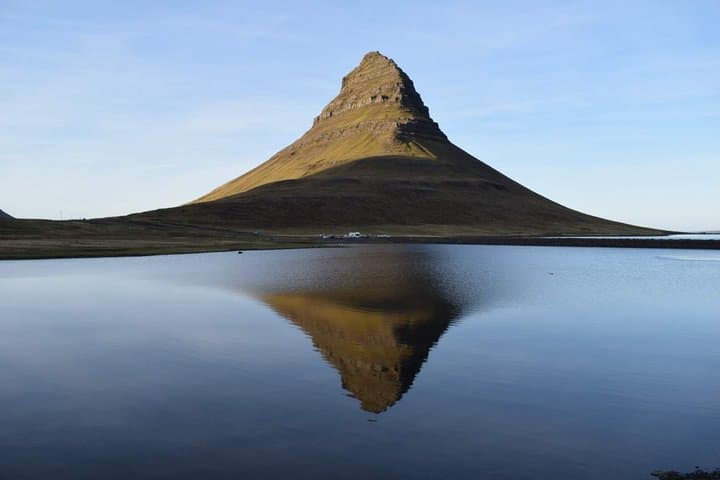
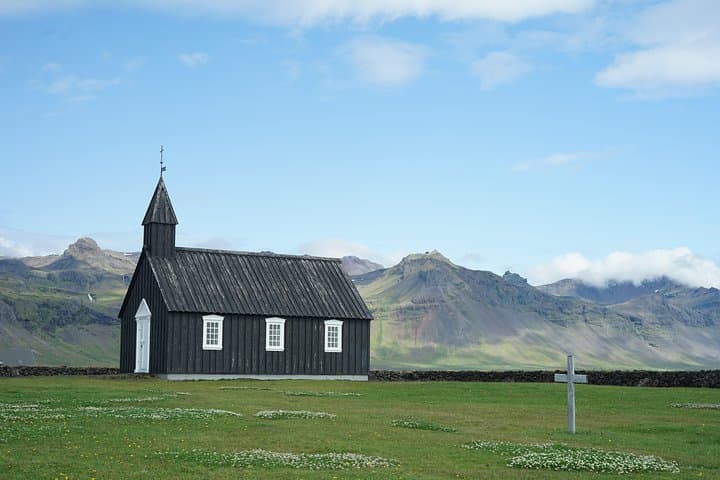
Snaefellsnes wears history visibly. Its basalt columns and hexagonal joints are records of slow cooling; local sagas, including Bárðar saga, lace the landscape with human drama; and Jules Verne chose this volcano as the literary portal to the earth’s core. Fishing villages along the route still show stone walls and turf-roof architecture, while Kirkjufell — the “church mountain” — has become recognizable from film and television.
Practically, expect a long, structured day: roughly 11–12 hours with multiple short stops and a mid-day lunch. Terrain varies from cave floors and narrow ravines to short shoreline walks and viewpoints beside the glacier. Guides commonly provide crampons, helmets and headlamps for subterranean and icy sections; comfortable waterproof layers and sturdy boots are essential. Weather shifts quickly — wind, drizzle or bright sun can arrive within an hour — so dress in adaptable layers and keep electronics protected. Small-group tours mean more flexibility and time at each stop but bring snacks and any personal medication.
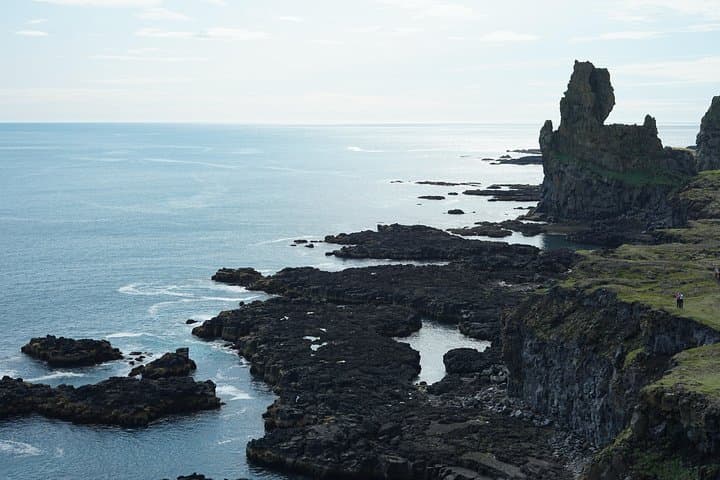
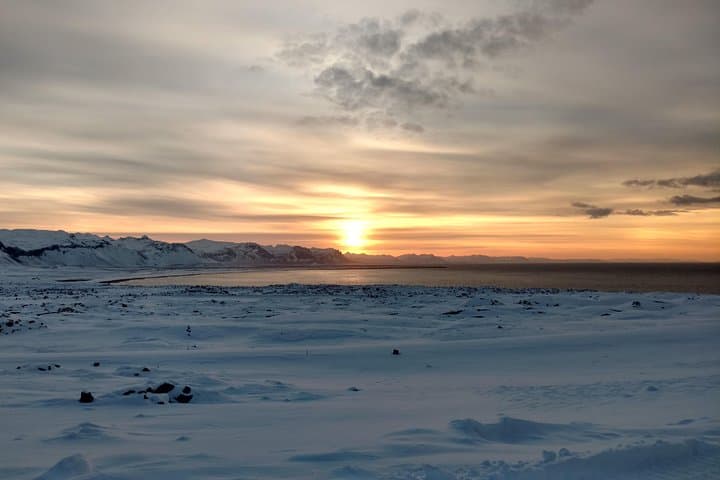
For photographers and hikers, the peninsula rewards patience: watch for seals on black beaches, basalt columns framing waterfalls, and long light that changes the mood of cliffs by the hour.
moderate.
11–12 hours.
Suitable for travelers in moderate fitness — involves short hikes, cave walking, and some uneven terrain; not recommended for those with serious mobility issues.
The tour runs about 11–12 hours and typically departs from Reykjavik with pickup options; confirm meeting point at booking.
The lava tube and narrow ravine include uneven stone surfaces and low passages; those with significant mobility limitations should contact the operator before booking.
Guides commonly provide helmets, crampons, gloves and headlamps for cave and icy sections; personal items like boots and waterproof clothing are not supplied.
The operator may cancel in unsafe conditions; their policy often allows full refund if canceled at least 24 hours before departure or for severe weather.
The peninsula’s geology is young volcanic rock; Snæfellsjökull has been central to local sagas and gained literary fame when Jules Verne located his fictional descent to Earth’s center here.
Fragile mosses and lichen take decades to recover on lava fields — stick to marked paths, carry out trash and avoid stepping on vegetation.
G spot Iceland operates guided outdoor trips and adventures with an emphasis on safety, stewardship, and memorable experiences.
A low, salt-steeled wind meets you as the van cuts off the Ring Road and the peninsula opens: black lava fields give way to a sculpted coastline, and somewhere ahead the glacier-capped cone of Snæfellsjökull broods like a mapmaker’s compass. The day begins underground at a lava tube — headlamps pick out striated ceilings and hollowed channels where molten rock once tunneled toward the sea.
A low, salt-steeled wind meets you as the van cuts off the Ring Road and the peninsula opens: black lava fields give way to a sculpted coastline, and somewhere ahead the glacier-capped cone of Snæfellsjökull broods like a mapmaker’s compass. The day begins underground at a lava tube — headlamps pick out striated ceilings and hollowed channels where molten rock once tunneled toward the sea.
Snaefellsnes wears history visibly. Its basalt columns and hexagonal joints are records of slow cooling; local sagas, including Bárðar saga, lace the landscape with human drama; and Jules Verne chose this volcano as the literary portal to the earth’s core. Fishing villages along the route still show stone walls and turf-roof architecture, while Kirkjufell — the “church mountain” — has become recognizable from film and television.
Practically, expect a long, structured day: roughly 11–12 hours with multiple short stops and a mid-day lunch. Terrain varies from cave floors and narrow ravines to short shoreline walks and viewpoints beside the glacier. Guides commonly provide crampons, helmets and headlamps for subterranean and icy sections; comfortable waterproof layers and sturdy boots are essential. Weather shifts quickly — wind, drizzle or bright sun can arrive within an hour — so dress in adaptable layers and keep electronics protected. Small-group tours mean more flexibility and time at each stop but bring snacks and any personal medication.
For photographers and hikers, the peninsula rewards patience: watch for seals on black beaches, basalt columns framing waterfalls, and long light that changes the mood of cliffs by the hour.