THE ADVENTURE COLLECTIVE® · Independent discovery and booking for outdoor travel

A focused 2.5‑hour small‑group tour through the National Portrait Gallery and Smithsonian American Art Museum. Explore presidential portraits, Civil War-era stories, and major American artworks with a guide in a compact group of eight.
A focused 2.5‑hour small‑group tour through the National Portrait Gallery and Smithsonian American Art Museum. Explore presidential portraits, Civil War-era stories, and major American artworks with a guide in a compact group of eight.
Step up the G Street steps and the Old Patent Office greets you like an argument turned calm — marble underfoot, light pouring through a high atrium that makes portraits and canvases breathe. The guide gathers eight guests and the city’s history folds into the rooms: Walt Whitman’s presence hangs quiet in the portrait of the Civil War hospital’s era, while presidential likenesses keep watch down the corridors.
Verified experiences and guided adventures in the surrounding area.
Operated by Babylon Tours DC · Washington, DC
Step up the G Street steps and the Old Patent Office greets you like an argument turned calm — marble underfoot, light pouring through a high atrium that makes portraits and canvases breathe. The guide gathers eight guests and the city’s history folds into the rooms: Walt Whitman’s presence hangs quiet in the portrait of the Civil War hospital’s era, while presidential likenesses keep watch down the corridors.
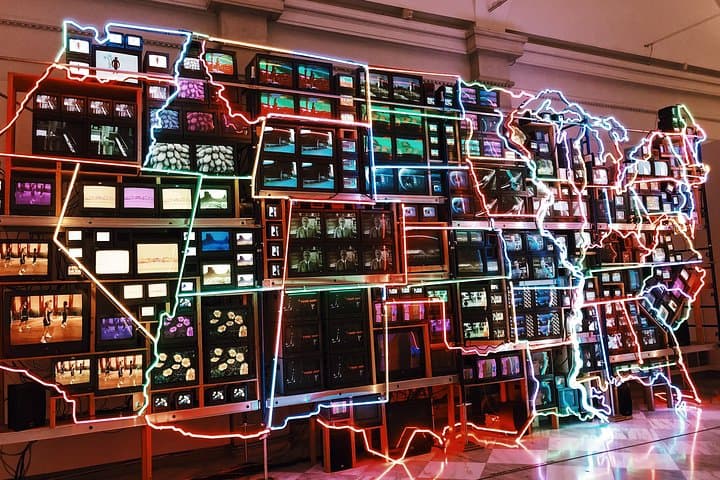
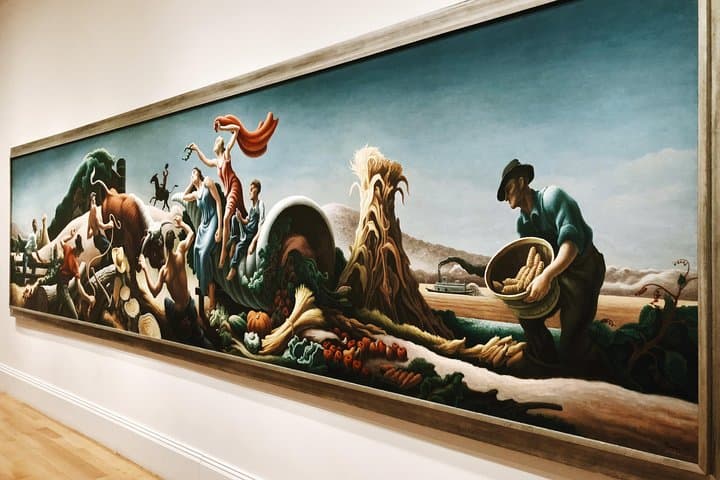
The building itself is part of the exhibit. A 19th‑century Greek Revival structure repurposed after serving as a Civil War hospital, its walls hold layers of civic drama: patent lawyers, patients and later, the formation of national art collections. Inside the Smithsonian American Art Museum, American landscapes, New Deal photography and modern experiments sit a few galleries apart from formal presidential portraits and daguerreotypes.
Expect a paced, interpretive walk — 2.5 hours moving through both portraiture and broader American art. Guides highlight cultural context (suffrage, the Gilded Age, government‑commissioned photography) and point out quiet rooms where voices dim. Museum policy and security mean no large bags and occasional restricted rooms.
Practical guidance: meet at the G Street entrance sign 10 minutes early; bring a charged phone number on your booking; wear comfortable shoes for standing and short stair sections; plan public transit or limited parking nearby. The small‑group setting means more questions, fewer crowds, and a fuller sense of how visual culture and American history collide in an urban museum setting.
moderate.
2–3 hours.
Able to stand and walk for multiple gallery periods with brief stair use; moderate stamina recommended.
Meet on the stairs outside the G Street entrance in front of the sign reading "National Portrait Gallery" at least 10 minutes before departure.
The tour covers guided access; follow the booking confirmation for any ticket specifics and have ID or confirmation ready.
Strollers are allowed and the museums have accessible routes; notify the operator of special requirements when booking.
Occasional closures occur; guides will reroute to alternative exhibits if the delay exceeds an hour, though refunds are not guaranteed in those cases.
The Old Patent Office Building served as a Civil War hospital where Walt Whitman tended wounded soldiers; its reuse as two Smithsonian museums layers art over civic history.
Both museums follow Smithsonian sustainability practices — climate control protects collections but encourages visitors to reduce single‑use plastics and use public transit to lower footprint.
Babylon Tours DC operates guided outdoor trips and adventures with an emphasis on safety, stewardship, and memorable experiences.
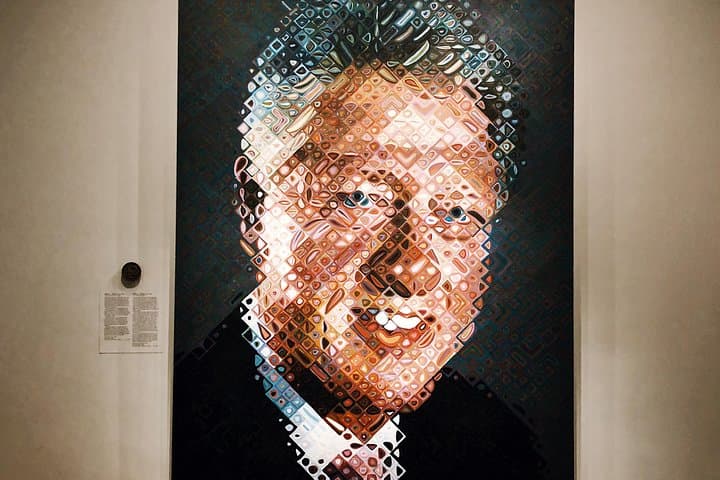
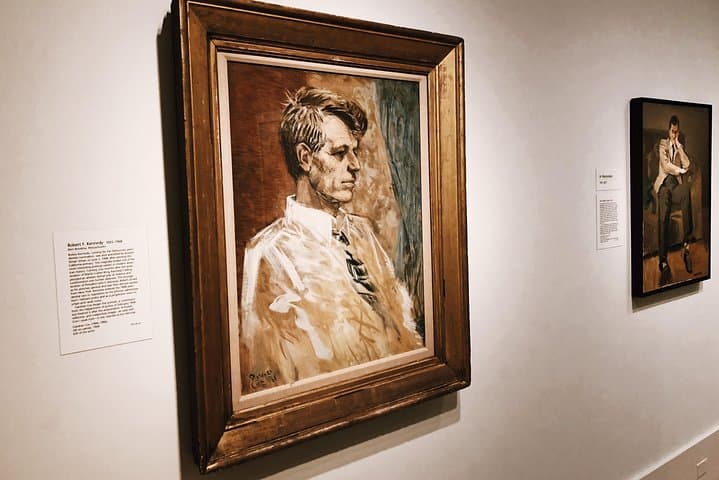
Step up the G Street steps and the Old Patent Office greets you like an argument turned calm — marble underfoot, light pouring through a high atrium that makes portraits and canvases breathe. The guide gathers eight guests and the city’s history folds into the rooms: Walt Whitman’s presence hangs quiet in the portrait of the Civil War hospital’s era, while presidential likenesses keep watch down the corridors.
Step up the G Street steps and the Old Patent Office greets you like an argument turned calm — marble underfoot, light pouring through a high atrium that makes portraits and canvases breathe. The guide gathers eight guests and the city’s history folds into the rooms: Walt Whitman’s presence hangs quiet in the portrait of the Civil War hospital’s era, while presidential likenesses keep watch down the corridors.
The building itself is part of the exhibit. A 19th‑century Greek Revival structure repurposed after serving as a Civil War hospital, its walls hold layers of civic drama: patent lawyers, patients and later, the formation of national art collections. Inside the Smithsonian American Art Museum, American landscapes, New Deal photography and modern experiments sit a few galleries apart from formal presidential portraits and daguerreotypes.
Expect a paced, interpretive walk — 2.5 hours moving through both portraiture and broader American art. Guides highlight cultural context (suffrage, the Gilded Age, government‑commissioned photography) and point out quiet rooms where voices dim. Museum policy and security mean no large bags and occasional restricted rooms.
Practical guidance: meet at the G Street entrance sign 10 minutes early; bring a charged phone number on your booking; wear comfortable shoes for standing and short stair sections; plan public transit or limited parking nearby. The small‑group setting means more questions, fewer crowds, and a fuller sense of how visual culture and American history collide in an urban museum setting.